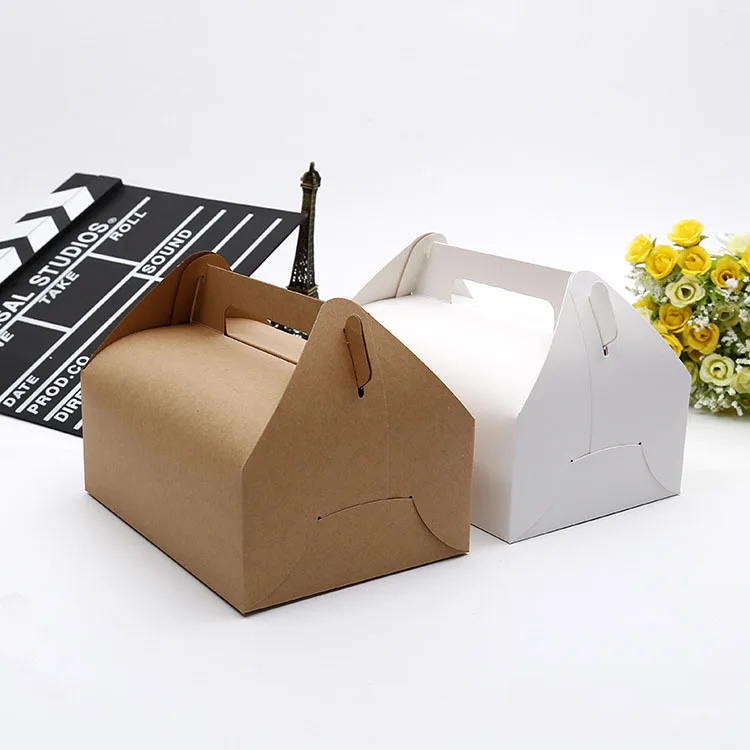
Short answer: a plain kraft paper box is accepted in most curbside cardboard and paper recycling streams across the US, UK, EU, and much of Asia. Kraft is unbleached paper fiber, so it sorts and repulps much like ordinary cardboard. The catch — and the reason this question keeps coming up — is that many custom kraft boxes are no longer plain by the time they reach your customer. A logo printed in spot UV, a soft-touch laminate, or a waxed food liner can quietly move that box out of the recyclable bin.
What “kraft” actually means
Kraft is a paper grade made from wood pulp cooked in a sulfate process that leaves the fibers long and strong. The brown color is the natural, unbleached state of those fibers — no dye, no heavy bleaching. That is why kraft feels rugged and reads as “natural” on a shelf. It appears in packaging two main ways: as a folding carton (kraft SBS or kraft paperboard) and as the facing on corrugated mailers and shipping boxes. Both are paper through and through.
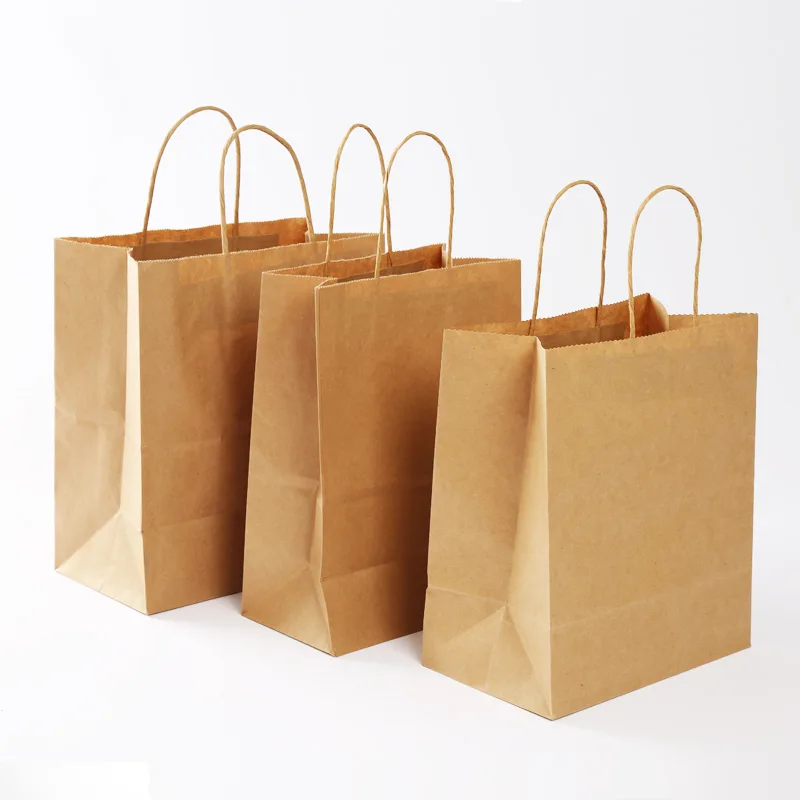
The short answer on recyclability
A plain, uncoated kraft box is curbside-recyclable in the same stream as cardboard. Paper mills recover the fiber and turn it into new board. Mono-material construction — paper plus paper, with water-based or soy-based inks — sorts cleanly and repulps without extra steps. That is the real reason kraft earns its eco reputation: the material itself is genuinely easy to recycle.
One honesty check: “recyclable” is not the same as “made from recycled content.” A kraft box can use virgin or recycled fiber; ask for the mill certificate if post-consumer content matters to your brand.
Another honesty check: kraft is sometimes marketed as compostable. Uncoated kraft can break down in industrial composting, but that is not your curbside bin, and a laminated kraft box will not compost at all. We avoid calling any box “compostable” as a product claim — recyclable and mono-material are the claims we can stand behind.
When a kraft box stops being recyclable
This is where color fools people. A box can be brown and still fail the bin test. The usual culprits:
- Lamination — a matte, gloss, or soft-touch film bonded to the surface. It looks premium but the plastic film contaminates the paper stream.
- Foil stamping and heavy coatings — metallic layers and thick UV coatings do not repulp.
- Wax and grease barriers — common on bakery and food kraft; wax is hard to remove in recycling.
- Plastic windows and glued foam or EVA inserts — these must be separated by hand, which most facilities will not do.
None of this makes kraft “bad.” It just means finish, not color, decides recyclability. If a clean bin is the goal, keep the kraft uncoated or use a light, water-based print.
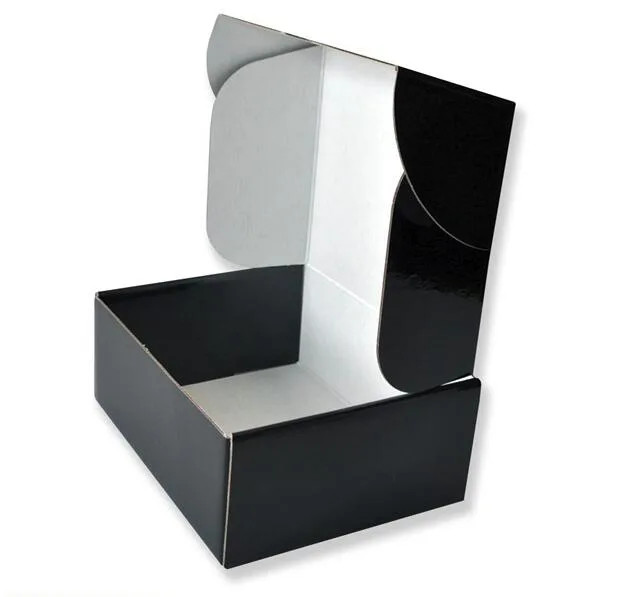
Kraft vs white SBS vs coated — what sorts easiest
A quick comparison of common box materials and how they behave after use:
| Material | Recyclable? | Note |
|---|---|---|
| Uncoated kraft (folding or corrugated) | Yes — easiest | Mono-material paper, sorts with cardboard |
| White SBS (coated one or two sides) | Yes | Still paper; coating lowers grade but repulps |
| Greyboard rigid box (with paper wrap) | Often yes | Mono-material greyboard + paper wrap; lamination hurts |
| Laminated / foil / waxed kraft | Rarely | Contaminants block repulping |
The pattern is simple: the fewer non-paper layers, the easier the box recycles. A rigid gift box built from greyboard wrapped in plain art paper recycles better than a kraft box sealed in soft-touch film.
Making kraft work for a low-waste program
If recyclability is part of your brand promise, a few choices keep kraft honest:
- Skip the lamination on kraft where you can; a crisp flexo or offset print on uncoated stock looks clean and stays recyclable.
- Right-size the box so you use less material and need less void fill — our free dieline lets you spec an exact size from a 100-piece run.
- Pick mono-material structures: kraft folding carton or kraft corrugated mailer over a plastic-window rigid.
- Test before you commit — Ecopaperbox standard MOQ is 100 pieces (MOQ 100), so you can validate an uncoated kraft look on a real batch without tying up the cash a 1,000-plus run would.
As a Guangzhou factory with in-house offset printing, lamination, and die-cutting, we control the finish on every box we make, and we can walk you through which option keeps your kraft recyclable. Typical lead time after artwork approval is 7–12 working days, with DDP shipping available so the door-to-door cost is clear up front. For brands that want a ready-made eco route, services like Noissue offer quick kraft mailers; for broader box types and lower unit cost at 100-plus pieces, a direct factory is usually the better fit.
Want the deeper material picture? See our guides on what recyclable packaging actually requires and kraft vs white cardboard.