
 Choosing a packaging supplier is rarely about finding one obvious choice. It is about matching a supplier's model to your order size, timeline, and the kind of box you actually need. Two names come up often for small and mid-size brands: Arka, a US-based custom packaging brand built around online ordering, and Ecopaperbox, a Guangzhou packaging factory with in-house printing. This is a straight comparison of how the two work, what they cost, and where each one fits.
Who Each Supplier Actually Is
 Arka operates as a print-on-demand and made-to-order packaging brand. You design online, pick from established templates and sizes, and orders are produced and shipped from US-based operations. The appeal is speed and a smooth self-serve interface: you can go from idea to a small batch of branded boxes without talking to a sourcing agent.
Ecopaperbox is a manufacturing factory in Guangzhou, China. Offset printing, lamination, die-cutting, and hand assembly all happen under one roof. As a factory-direct supplier, the work is spec-driven: you send artwork and a dieline, and the workshop produces rigid, folding, and corrugated boxes on owned equipment. The tradeoff is that it is a factory relationship, not a one-click storefront.
MOQ and Order Size
 Ecopaperbox keeps a low MOQ 500 standard across all box types — rigid, folding, kraft, and corrugated alike. That is still well below the 1,000–3,000-piece norm at many traditional factories, so it reads as low-MOQ and test-market friendly, but it is not a 50-piece run.
Arka's made-to-order model is built for smaller starts, with per-product minimums that suit very small batches and fast iteration. If your plan is to test a box with a handful of units before committing, Arka's model fits that need more directly. If you have validated demand and want to keep unit cost down at 500-plus, a factory floor is the more natural match.
What Drives the Unit Price
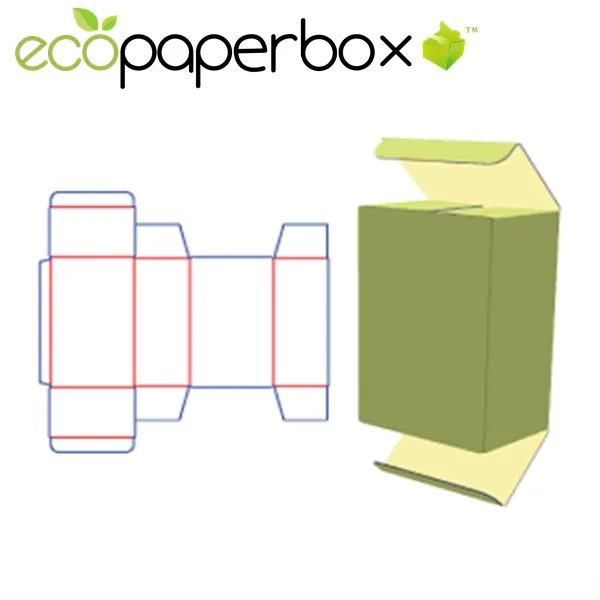 The biggest price difference comes from how each supplier is set up. A print-on-demand model sets up every order individually, so you pay a premium per unit for that flexibility. A direct factory amortizes tooling — the dieline, plates, and die-cutting formes — across the whole run, so per-unit cost drops as quantity rises.
Neither model is "cheaper" in the abstract. For a 100–300-piece test, a POD brand can be competitive once you add freight and the practical cost of a long overseas shipment. At 500, 1,000, or 5,000 pieces, factory-direct pricing from Guangzhou typically wins on landed cost, especially when quoted DDP (delivered duty paid), where freight and import duty are included up front.
A realistic way to think about it
If cash tied up in inventory is your main constraint, the lower entry point matters more than the per-unit number. If repeat cost per shipped order is what hurts, the factory curve matters more. Pick the model that matches the constraint you actually feel.
Box Types and Materials
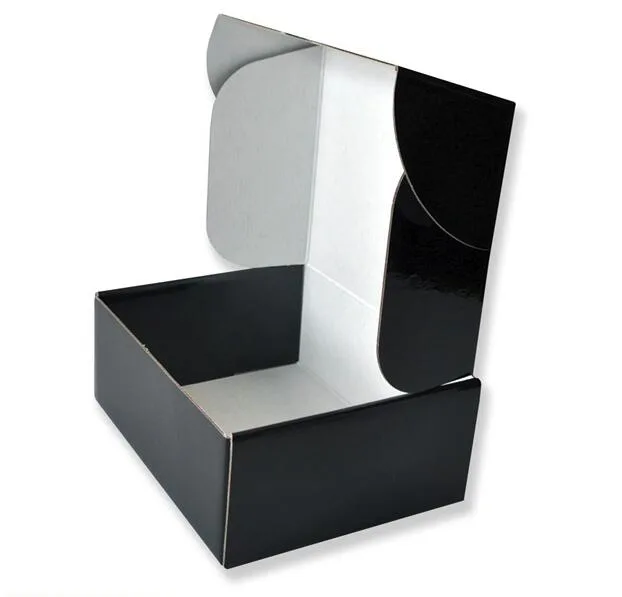
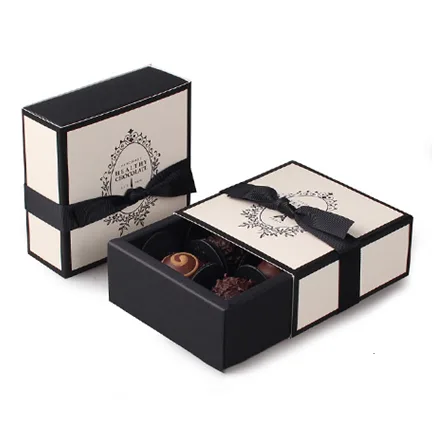 Both suppliers cover the common formats, but the ranges differ. Ecopaperbox's core is structure: rigid gift and luxury boxes built from 1000–1500 gsm greyboard mounted with 157 gsm C2S art paper or specialty paper (these ship assembled), collapsible magnetic boxes (the one rigid type that folds flat for shipping), SBS white-card and kraft folding cartons, and corrugated mailers in E/B/F flute wrapped with printable paper. Arka also offers folding cartons, mailers, and rigid options through its template catalog, which is convenient but narrower on fully custom structures.
The honest takeaway: if you need a stock-style folding carton or mailer, either works. If you need a specific rigid structure, a drawer box, or a collapsible magnetic closure, a factory with its own die-cutting gives you more freedom to spec exactly what you want.
Lead Time and Shipping to the US
 Arka's US-based production means short domestic transit — often a few business days once printed. That is the clear win for urgent launches or last-minute event runs.
Ecopaperbox's production runs 7–12 working days after artwork approval, then international shipping on top. For most brands that is predictable enough to plan around, and DDP quotes remove the surprise of customs and last-leg freight. The factory also offers free dieline support and a free blank sample so you can verify structure before committing to print — a low-risk way to bridge the longer lead time. See our Packlane vs factory comparison for the same logic applied to another online brand.
When to Choose Arka vs Ecopaperbox
Choose Arka when: you need a small batch in days, you are iterating on a design and want to reorder painlessly, or a US-based, self-serve workflow is worth a higher per-unit cost.
Choose Ecopaperbox when: you have a proven product and order 500+, you want the lowest realistic landed cost, you need a custom rigid or magnetic structure, or you want one supplier that scales with you from test run to volume without switching. Our Alibaba vs direct factory note explains why going direct skips the markup many marketplaces add.
Visit the Factory Before You Decide
A factory relationship is most reliable when it is transparent. Clients are welcome to visit our Guangzhou factory, and many international clients tour the production lines and review samples on site before placing an order. Ecopaperbox holds ISO 9001 quality management certification for its Guangzhou workshop (certificate copy available on request), High-Tech Enterprise certification (certificate no. GR202544012474, valid from 2025-12-19 for three years), and is SGS-audited. Where a project calls for it, FSC-certified paper can be sourced from FSC-certified mills with chain-of-custody documentation available on request.
Both suppliers are legitimate choices. The right one depends on your batch size, your timeline, and how much structure you need to control — not on which name shows up first in a search.