
Every year the same pattern repeats: brands realize in late November that their Black Friday boxes are not going to arrive in time. Paper packaging does not behave like a print-on-demand sticker you can reorder overnight. A custom rigid box or a branded mailer goes through structural design, printing, finishing, and ocean or air freight before it reaches your warehouse. This guide lays out a realistic Q4 ordering timeline so your packaging lands before the rush, not during it.
Why Q4 Squeezes Every Packaging Timeline
Two forces collide in the fourth quarter. First, demand for production slots spikes across Guangzhou factories at once, because most Western brands are all preparing for the same November to December window. Second, freight, ocean and express alike, gets tighter and pricier as carriers fill up.
The result is that a box which normally takes 7 to 12 working days after artwork approval can quietly stretch longer if you order in November. That 7 to 12 day window is real, but it assumes a production slot is open. In peak season, it may not be. Planning backwards from your sale date, not forwards from today, is the habit that separates brands that ship on time from brands that apologise in their order notes.
The Week-by-Week Q4 Ordering Timeline
A useful way to think about it is to work backwards from the date you need boxes in your hands. The table below shows a conservative schedule for a brand whose peak sales land in late November and December.
| Your deadline | Order rigid or collapsible magnetic | Order mailers or folding cartons |
|---|---|---|
| Need boxes by late Nov (Black Friday) | Order by early to mid October | Order by late October |
| Need boxes by mid to late Dec (Christmas) | Order by late October | Order by early to mid November |
| Need boxes by early Jan (post-holiday or New Year) | Order by mid November | Order by late November |
These are buffer dates, not the absolute last possible moment. If your design is not final, subtract the time you will spend approving proofs. A common mistake is treating the production window as the only clock, sampling, artwork correction, and customs clearance all sit in front of it.
Rigid and Collapsible Magnetic: Order by Early October
Premium holiday packaging tends to be rigid: a greyboard box, typically 1000 to 1500 gsm, mounted with 157 gsm C2S art paper or a specialty paper. A collapsible magnetic box uses the same greyboard-and-paper construction but folds flat for shipping, with hidden magnets. Both look the part under a tree; the difference is freight, not appearance.
Rigid boxes that ship assembled take up real volume in a container, so a November order competes with everyone else shipping assembled gift boxes. That is why we suggest locking your rigid and collapsible magnetic designs in by early October. It leaves room for a printed pre-production sample, any finish adjustments such as foil, soft-touch, or emboss, and transit. As a Guangzhou factory with in-house offset printing, we control color and lead time directly, but we still cannot conjure a slot the whole market has already booked.
Mailers and Folding Cartons: More Buffer, but Do Not Push It
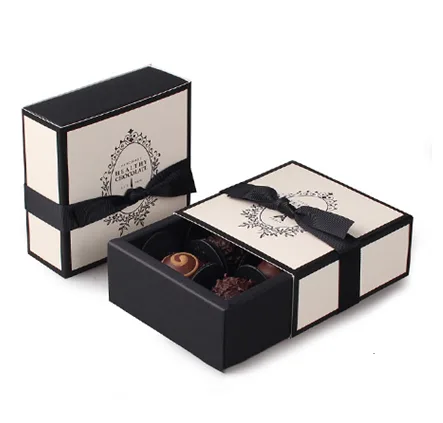
Corrugated mailers, E, B, or F flute wrapped with white card, kraft, or specialty paper, and SBS folding cartons ship flat, so they are lighter, cheaper to move, and easier to store. That gives you more scheduling slack than assembled rigid boxes.
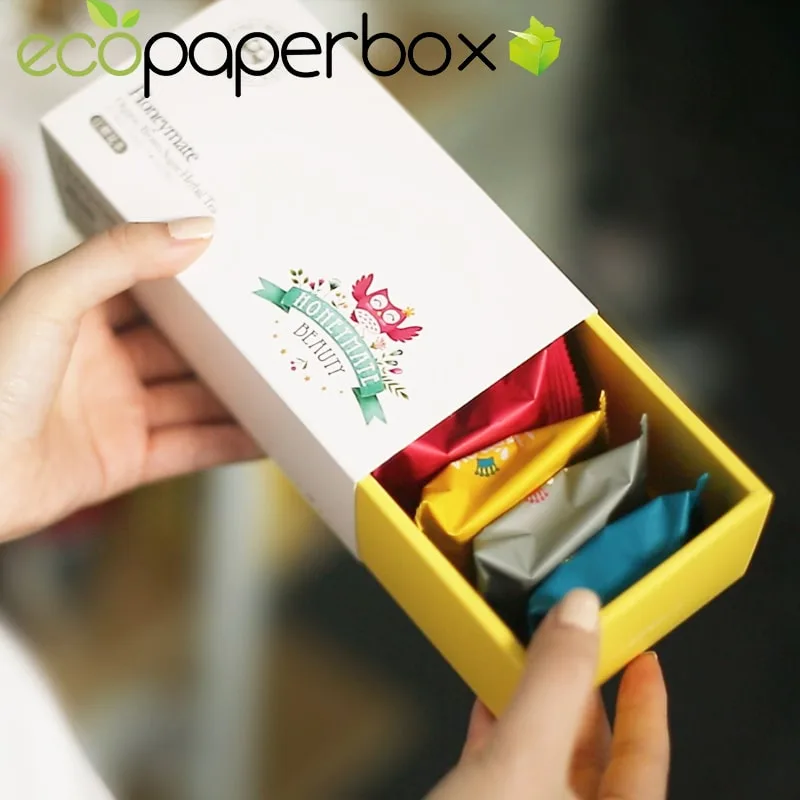
Even so, more buffer is not no deadline. A November order for mailers still lands in peak freight and peak production. Late October to early November is a reasonable target for Christmas mailers. If you are running a Black Friday promotion, treat mailers like the rigid timeline and order by late October. Flat-shipping also means you can hold inventory without renting a warehouse the size of a ballroom, a real advantage for small brands.
A Realistic Plan for Small Brands
You do not need to commit to thousands of boxes to look prepared. Our standard MOQ is 100 pieces across most box types, the industry used to ask for 1000 to 3000 before a custom run was worth a factory setup. A 100-piece run lets you test a holiday design, validate the unboxing with real customers, and reorder at volume once sell-through is proven.
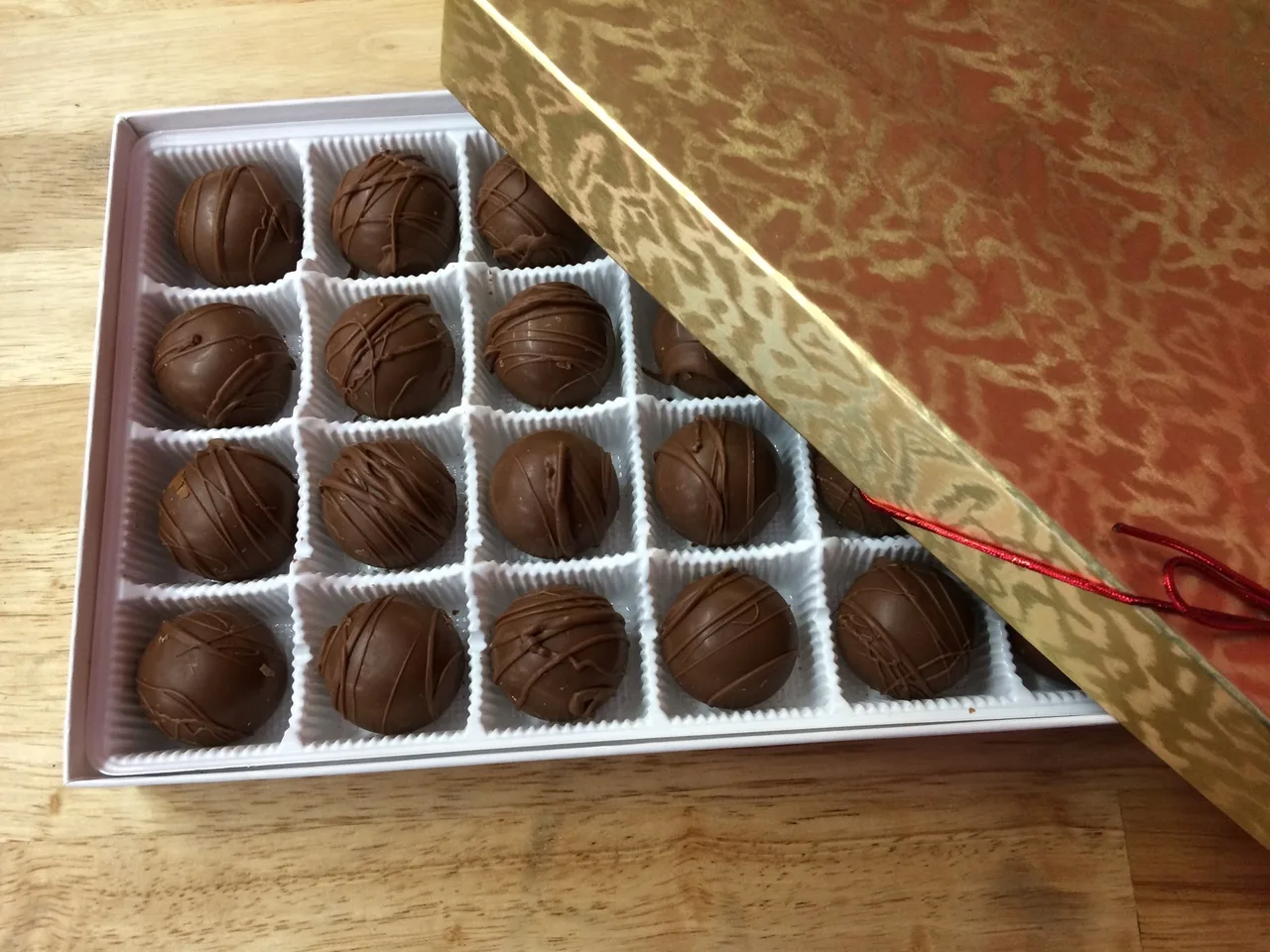
The skeptic's question is fair: does a small run mean lower quality? No. The same greyboard, paper, and in-house print process apply at 100 or 5000 pieces; what changes is how the tooling is amortised, not the build. For large runs you also do not need to flee to a marketplace, a direct Guangzhou factory keeps pricing and consistency from 100 to 5000 plus without a trader's markup. We hold ISO 9001 certification for our workshop, are certified as a High-Tech Enterprise, certificate no. GR202544012474, valid from 2025-12-19 for three years, and run an SGS-audited facility. If a project needs FSC-certified paper, we can source it from FSC-certified mills with chain-of-custody documentation on request.
If you want the fuller seasonal picture, our holiday gift box planning guide covers finish lead times in more depth, and our custom packaging page explains what we can build. Start the dieline now, even if the artwork is not final, that single step removes the most common delay.