
Toys and games live a harder life than almost any other product on a shelf. A board game gets opened, closed, dropped, and re-opened dozens of times. A children's toy box is handled by small hands, tossed in a bin, and sometimes chewed. Packaging for this category is not just a wrapper - it is part of the product experience and, for many brands, the difference between a repeat customer and a one-star review. This guide walks through the box structures, materials, and trade-offs that actually matter for toy and game packaging.
Why Toy & Game Packaging Has Its Own Rules
Most consumer goods want packaging that looks good and ships cheaply. Toys and games add two harder requirements: the box has to survive repeat handling, and it often has to store the product between uses. A magnetic closure that fails after ten opens is a failure even if the print is beautiful. Small parts also raise safety expectations - rounded corners, secure lids, and inks that meet low-migration standards matter more here than in many other categories. Age-grading and choking-hazard labelling also live on the pack, so the print and the structure have to stay legible and intact through heavy use.
Rigid vs Folding: Matching the Box to the Product
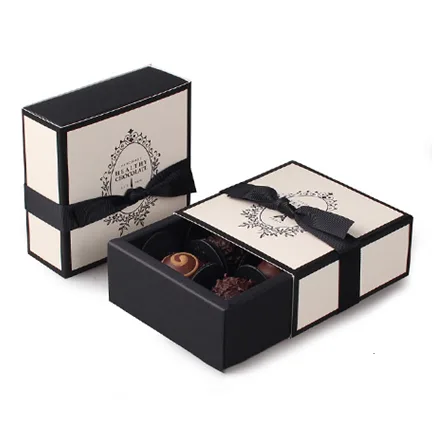
A rigid box is built from greyboard (typically 1000-1500 gsm) wrapped with 157 gsm C2S art paper or a specialty paper. It ships assembled and feels substantial - which is why premium board games and collector editions use it. A folding carton is made from SBS white card or kraft and ships flat; it suits lightweight card games, small plush, and accessory packs where freight cost matters more than heft. The one rigid style that still flat-ships is the collapsible magnetic box, which uses the same greyboard-and-paper construction with hidden magnets - a good compromise when you want the premium look without the assembled freight. Note that a rigid box is never a "white card" or "SBS core" - the rigid feel comes from the greyboard, not the wrap.
Protecting Components: Inserts That Actually Work
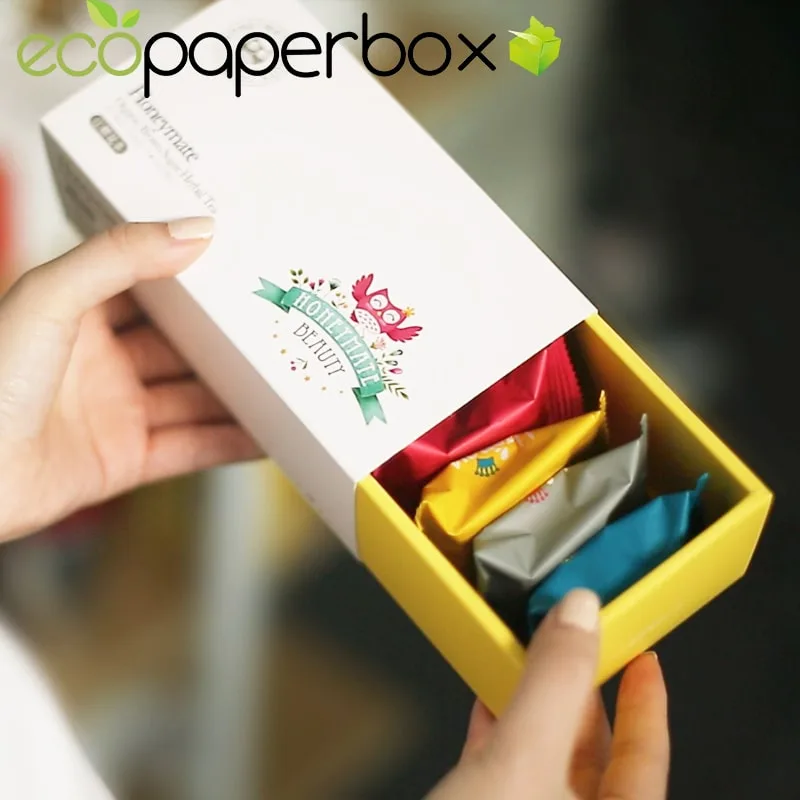
Games with many pieces need the contents to stay put. Options range from simple cardboard trays (cheap, recyclable, easy to print) to EVA foam and vacuum-formed blisters (better at holding irregular shapes) to molded pulp (mono-material and plastic-free). A tray-and-sleeve structure is a workhorse here: the sleeve presents the brand, the tray organizes the parts. For paper-based inserts, we can source FSC-certified paper from FSC-certified mills, with chain-of-custody documentation available on request. Cost scales with how custom the cavity is - a simple scored cardboard tray is a fraction of a moulded-pulp or vacuum-formed alternative, so match the insert to how often the box is opened.
Shipping Durability and Flat-Pack Savings
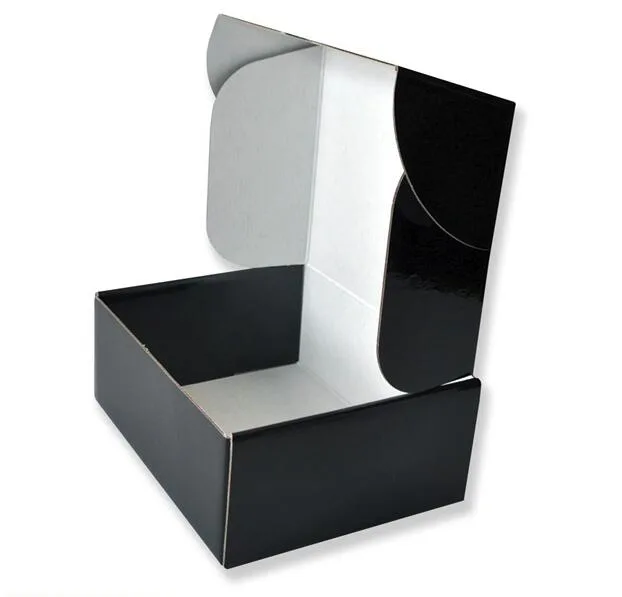
If you sell direct to consumers, the box that arrives at the door is as important as the one on the shelf. Corrugated mailers - E, B, or F flute wrapped with printable white card or kraft - protect well and ship flat, which keeps freight manageable. Folding cartons and corrugated boxes always ship flat; standard rigid boxes ship assembled and cost more to freight, while collapsible magnetic boxes fold flat. Right-sizing the box (see our dieline guide) is the single biggest lever on shipping cost. For a 500-piece run, flat-packed folding or corrugated cartons typically fit in a single pallet or a few express cartons, whereas assembled rigid boxes can fill several times the volume.
Safety, Printing, and What Buyers Often Miss
Two mistakes show up constantly. First, brands pick a finish (soft-touch lamination, heavy foil) for shelf appeal and forget it raises cost and can complicate recycling. Second, they under-spec the board and end up with a box that creases on the shelf. For children's products, ask about low-migration inks and rounded corners up front. Recyclability is worth a thought too: a plain kraft or SBS box recycles more readily than one wrapped in soft-touch film, so weigh the finish against your brand's environmental claims. We are a Guangzhou factory with in-house offset printing, lamination, die-cutting, and hand assembly under one roof, and clients are welcome to visit our Guangzhou factory - many international clients tour the production lines and review samples on site before placing an order. Our workshop holds ISO 9001 certification, is recognized as a High-Tech Enterprise (certificate no. GR202544012474, valid from 2025-12-19 for three years), and is SGS-audited. Standard lead time is 7-12 working days after artwork approval, with MOQ 500 across box types.
A Quick Decision Guide
Use this as a starting point, not a rulebook:
- Premium board game / collector edition: rigid box (greyboard + art paper), tray insert, magnetic or lid closure.
- Lightweight card game / small toy: SBS folding carton, tuck closure, ships flat.
- Ecommerce-only: corrugated mailer (E/B/F flute), right-sized, flat-packed.
- Want rigid look, lower freight: collapsible magnetic box - flat-ships, assembles in seconds.
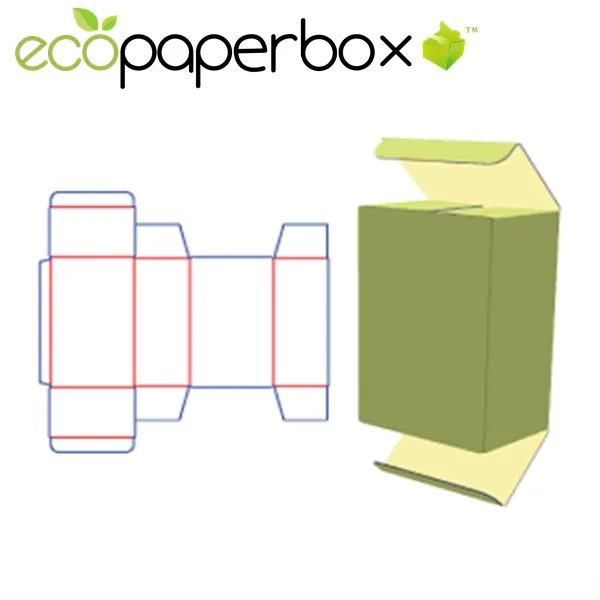
For a deeper cost comparison between rigid and folding structures, see our rigid vs folding carton guide. Start with a free dieline and a blank sample to validate structure before committing to print - it is the safest insurance against a costly reprint.