
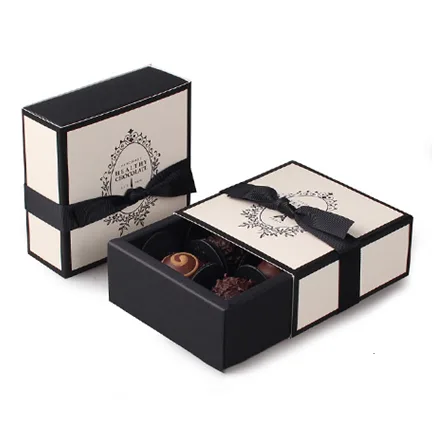
Open almost any box that gets called 'luxury' - a perfume carton, a watch presentation case, a high-end chocolate gift box - and you will find something the printed surface never tells you: a dense, grey paperboard core. That core is greyboard, and it is the reason a rigid box feels substantial in your hands. At Ecopaperbox, a Guangzhou-based packaging factory with in-house printing, lamination, die-cutting and hand assembly, greyboard is the material we reach for whenever a brand wants a box that feels worth opening. This guide explains what greyboard actually is, how it differs from the folding cartons you may be used to, and how to choose the right weight for your product.
What greyboard actually is
Greyboard (sometimes called grey fibreboard) is a compressed board made from recycled paper fibres, usually running from 1000 to 1500 grams per square metre (gsm). Do not confuse it with the printed sheet you see on the outside. The greyboard is the structural skeleton; the colour you see - white, black, kraft, or a custom Pantone - is a thin paper 'wrap' glued onto the surface during production. Because it is built from layered pulp rather than a single pressed sheet, greyboard holds its shape, resists crushing, and gives a box real heft.
Why a rigid box feels more premium than a folding carton
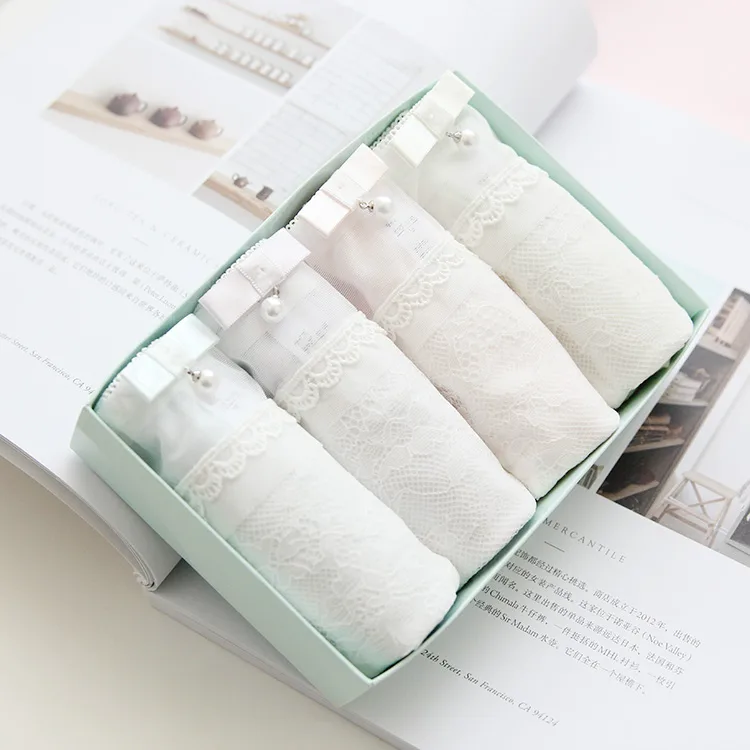
The short version: density. A folding carton is cut from a single sheet of SBS white card or kraft (typically 250-350gsm) and folded into shape - light, flat-shipping, and economical. A rigid box starts with a thick greyboard core that is wrapped and assembled by hand, so it cannot collapse and does not need taped seams to stand up. That weight and rigidity is what your customer feels in the first two seconds of unboxing.
For low-margin or lightweight items, a folding carton is usually the smarter call. For a product where the opening moment is part of the brand - cosmetics, electronics, spirits, jewellery, premium confectionery - the rigid construction earns its cost. Many buyers assume a rigid box must cost dramatically more; in practice, at a factory-direct operation like ours, the gap is smaller than people expect, especially at a 500-piece run.
Greyboard plus the wrap: where the print lives
Here is the part buyers often miss. The greyboard itself is never printed directly. Instead, a 157gsm C2S art paper (coated on both sides for crisp ink) or a specialty paper is laminated over the greyboard, and that wrap carries your artwork, foil, emboss, or soft-touch coating. This is why a 'rigid box' is never called an 'SBS box' or a 'kraft-core box' - the core is greyboard, full stop. The wrap is where brand colour and finish happen, and because Ecopaperbox runs in-house offset printing, the colour on that wrap stays consistent from the first box to the five-thousandth.
The one exception: collapsible magnetic boxes
Rigid boxes normally ship assembled, which means you pay freight on empty volume. The exception is the collapsible magnetic box: it uses the same greyboard core and art-paper wrap, but is engineered with hidden magnets and creased hinges so it folds completely flat for shipping, then pops into shape in seconds. If you want the rigid look without the rigid freight bill, this is the structure to spec. Everything else labelled 'rigid' ships built.

How to choose greyboard weight
Weight tracks with product weight and the impression you need. A simple rule of thumb:
| Product type | Recommended greyboard | Why |
|---|---|---|
| Light items (soap, small cosmetics, inserts) | 1000-1100gsm | Enough rigidity, lower cost and freight |
| Mid-weight gifts, electronics, confectionery | 1200gsm | Balanced stiffness and feel |
| Heavy or fragile (bottles, multiple items) | 1500gsm | Maximum protection and perceived value |
A common mistake is over-specifying - a 1500gsm board on a tiny soap box adds freight with no real benefit. Conversely, a thin board on a heavy item looks cheap the moment it flexes. When in doubt, ask for a free blank sample so you can feel the difference before committing to print.
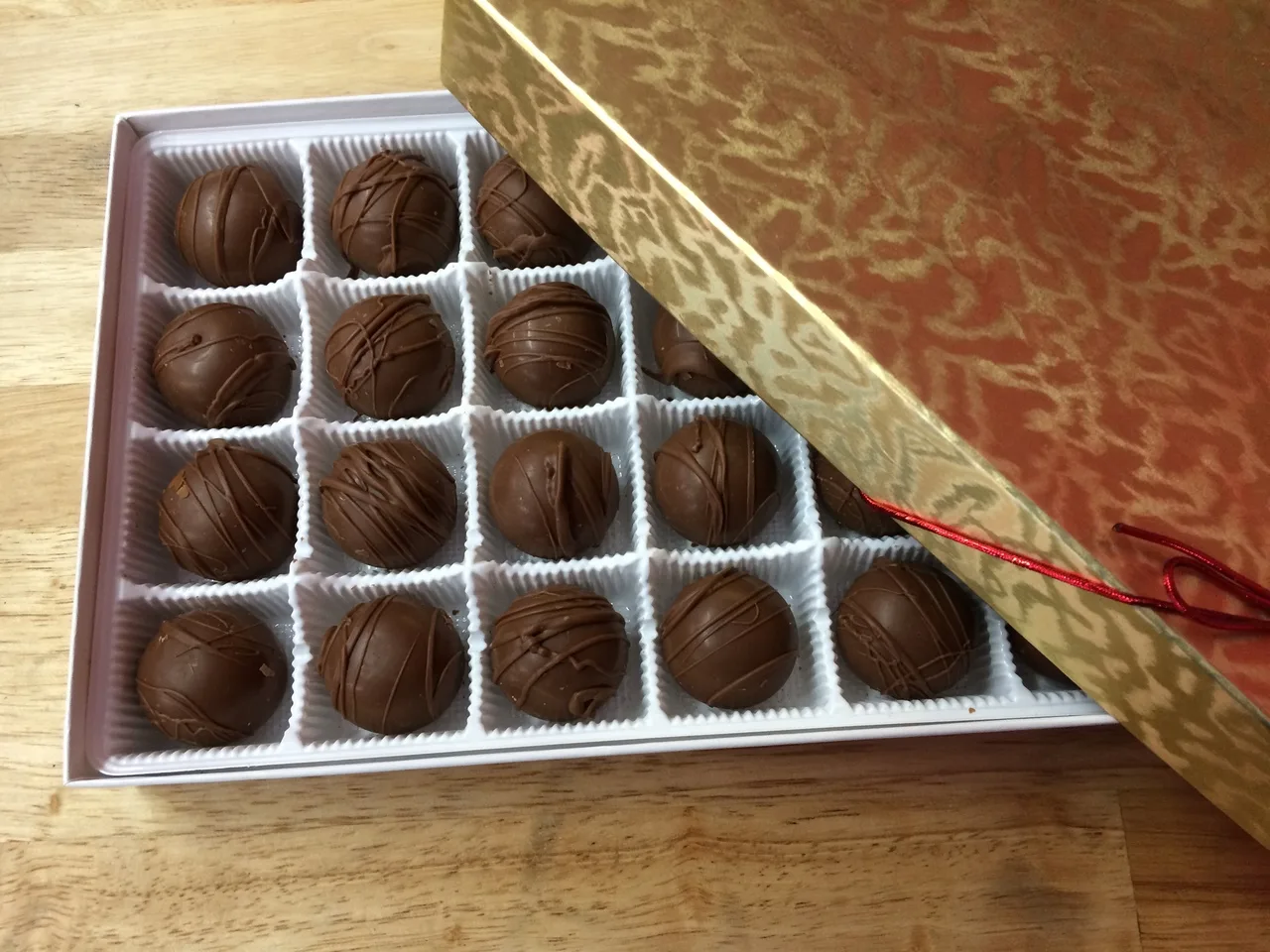
When a rigid box is the right call - and the factory behind it
Choose greyboard-based rigid packaging when the unboxing is part of your product, when you need a box that survives shipping without extra void fill, or when a premium finish (foil, emboss, soft-touch) needs a stable surface. As a Guangzhou factory rather than a trading company, Ecopaperbox keeps overhead low and quality consistent: in-house offset printing, lamination, die-cutting and hand assembly under one roof. Many international clients visit our Guangzhou factory to tour the production lines and review samples on site before ordering - you are welcome to do the same.
Our workshop holds ISO 9001 quality certification, High-Tech Enterprise status (certificate no. GR202544012474), and is SGS-audited, and we can source FSC-certified paper from FSC-certified mills with chain-of-custody documentation available on request. Standard MOQ is 500 pieces across rigid, folding, kraft and corrugated box types, with production in 7-12 working days after artwork approval. See our rigid-vs-folding comparison for a deeper cost breakdown, or browse the custom luxury gift box range to start a project.