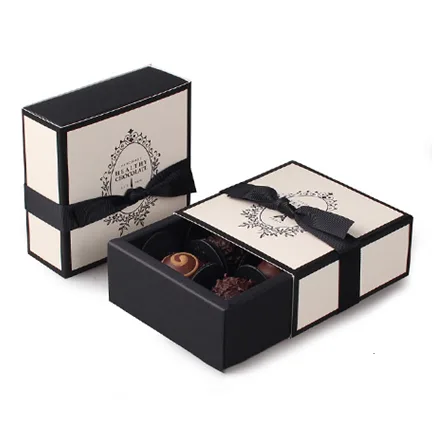
When you brief a packaging factory, one of the first choices you make has nothing to do with size or print: kraft or white cardboard? It sounds cosmetic, but the substrate quietly shapes your print quality, your budget, and the story your box tells on a shelf. At Ecopaperbox we run both every day on our in-house offset lines, and the honest answer is that neither is "better" - they simply fit different products. Our standard run starts at MOQ 500 pieces, which is low enough to test a kraft or white version without a warehouse of leftover stock.
What "kraft" actually means
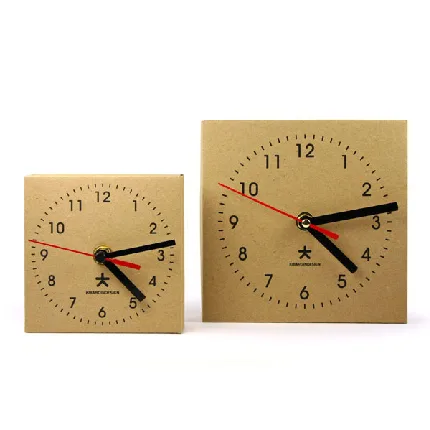
Kraft paper is produced by a pulping process that keeps wood fibers long and strong, which is also why it keeps its warm, natural-brown tone. It is usually unbleached or only lightly bleached, and it often contains recycled fiber. That visible speckle and uneven tone are normal, not a defect. On a box, "kraft" almost always means a kraft-faced folding carton or corrugated board - a paper substrate, not a rigid greyboard core. It reads as natural, handmade, and down-to-earth the moment a customer sees it.
What white SBS brings to the table
White cardboard for boxes is usually SBS - solid bleached sulfate - a bright, uniform board with a clay coating on one or both sides. That coating is the point: it gives a smooth, ink-hungry surface that holds fine detail, true brand colors, and crisp photography. If your logo depends on an exact Pantone, or your product is photographed inside the box for social media, white SBS is the safer practical choice. It also makes foil, embossing, and spot UV finishes read more cleanly than they ever will on a dark-brown background.
Substrate also drives finishing cost
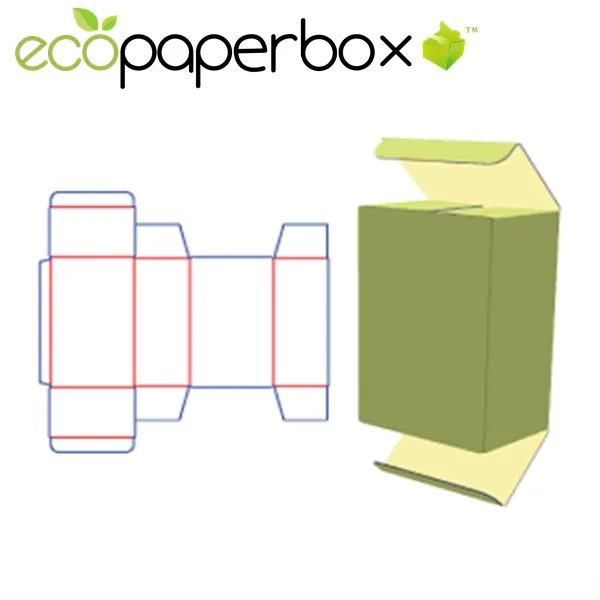
Beyond print, the substrate affects finishing economics. Kraft often needs less coating to look finished, while white SBS usually benefits from a light varnish or lamination to protect the print through transit - a small per-unit add that still matters at scale. Neither requires it, and we flag that trade-off on your quote rather than padding it silently.
When kraft is the better practical choice
Reach for kraft when your brand already signals natural, organic, rustic, or handmade. Soap makers, coffee roasters, snack brands, and craft studios get an instant "honest materials" vibe without extra printing. Kraft also tends to be cost-stable, because recycled fiber is often cheaper and less price-volatile than virgin bleached board. It pairs well with simple one- or two-color artwork, blind deboss, or a single foil line - restraint looks intentional on brown stock.
When white SBS earns its keep
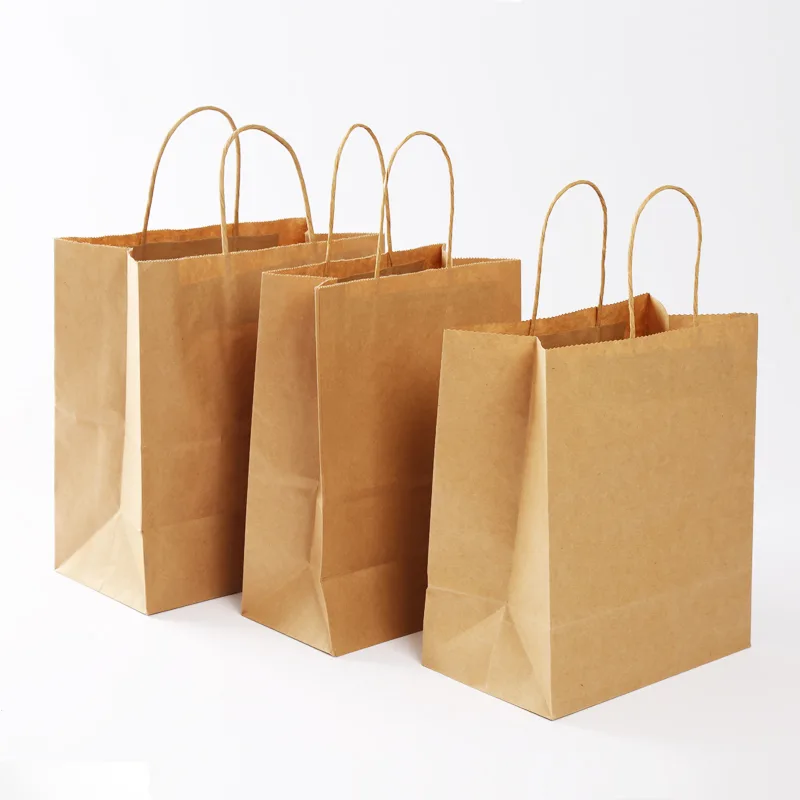
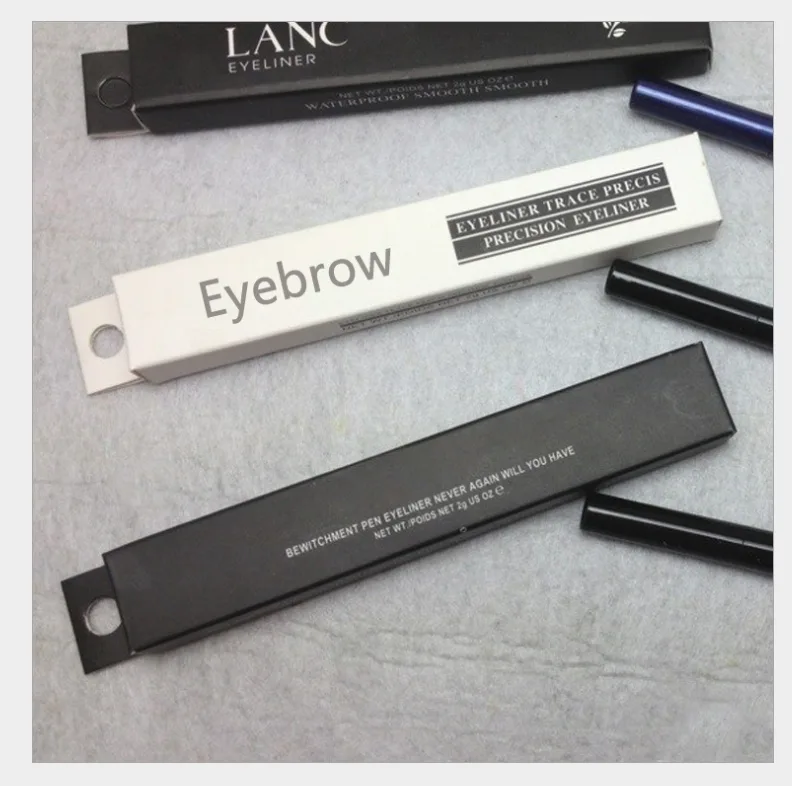
Choose white when color accuracy is non-negotiable: cosmetics, skincare, tech accessories, and premium gifts where the box color must match the brand. Light ink on kraft has low contrast and can look washed out, whereas the same artwork on white SBS pops. If you plan heavy coverage, photography, or a high-contrast pattern, white is the substrate that won't fight your design. It is also the better canvas for any coating you want to show off, from soft-touch to gloss lamination.
The tradeoff most buyers underestimate
The biggest surprise is print contrast: light or pastel inks disappear on kraft, so you need dark, opaque inks or a flood white under-print to get legibility. The second surprise is recyclability. A plain kraft or plain white mono-material box is widely curbside-recyclable, but the moment you laminate, add a plastic window, or lay down heavy foil, that advantage shrinks regardless of the base color. Neither kraft nor white is "more eco" by color alone - what matters is whether the finished box stays a single, easily sorted paper material. We tell buyers this plainly so they don't pay a premium for a "green" look that a laminate quietly cancels.
A quick decision rule
- Brand is natural / handmade / value-driven - start with kraft, keep print simple.
- Brand needs exact color, photography, or a luxe finish - start with white SBS.
- Unsure - order both at our MOQ 500 and A/B test the unboxing with real customers before committing to a large run.
How we make both at the factory
Kraft and white are not different factories - they are different sheets on the same in-house offset presses, laminators, and die-cutters. Ecopaperbox is a Guangzhou-based custom paper packaging manufacturer with in-house printing, lamination, die-cutting, and hand assembly under one roof, so the substrate decision never adds a subcontractor or a delay. Our workshop holds ISO 9001 quality certification, High-Tech Enterprise status (certificate no. GR202544012474, valid from 2025-12-19 for three years), and is SGS-audited. Clients are welcome to visit our Guangzhou factory, and many international clients tour the production lines and review samples on site before placing an order. Typical lead time is 7-12 working days after artwork approval, with DDP available, and we supply a free dieline so you can spec the exact size. If you want help choosing, our dieline guide and inside-vs-outside print guide cover the structure and branding basics.