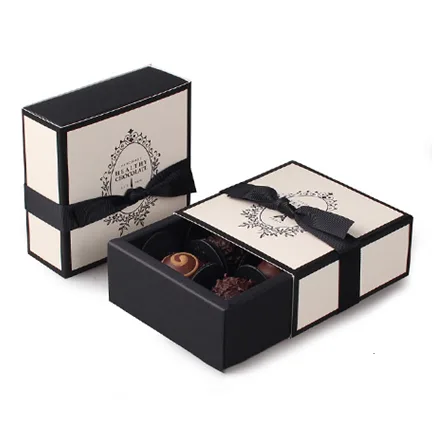
Selling through Amazon FBA changes the packaging brief in a way that catches a lot of brands off guard. Your box stops being just a container that protects a product and carries a logo. It has to survive a fulfilment network, present a barcode a scanner can read on the first pass, and — if you want the fee savings — meet Amazon's own packaging standards. Two phrases come up again and again: frustration-free packaging (FFP) and SIOC, short for "ships in own container." This guide explains what those requirements mean, where a factory can help, and where the limits sit. We are Ecopaperbox, a Guangzhou-based manufacturer with in-house offset printing, lamination, die-cutting and hand assembly, producing corrugated mailers, folding cartons and rigid boxes to buyer specifications at MOQ 500.
FFP vs SIOC: what Amazon is actually asking for
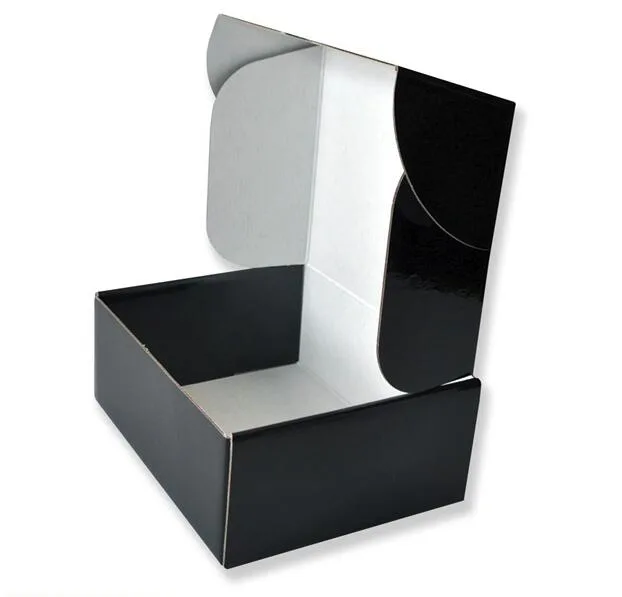
The two terms are related but not identical. SIOC means the product's own retail package is tough enough to travel on its own, without an extra shipping carton wrapped around it. Frustration-free packaging goes a step further: it should be easy for a customer to open by hand, be recyclable, and qualify as SIOC. In plain terms, Amazon wants one package that arrives undamaged, opens without a knife, and can go into the recycling bin.
The hard part is not the definition but the testing. Amazon uses ISTA 6-Amazon.com protocols as the benchmark for SIOC, drop, vibration and compression tests that mimic a real fulfilment journey. A carton that looks rigid on a desk can fail after a conveyor ride and a stacked pallet. Structure matters more than print here. A straight-tuck folding carton made of SBS board prints beautifully and is light, but on its own it is rarely a ship-in-own-container answer for anything with weight; a corrugated mailer in E or B flute is the more realistic base.
| Program | Core requirement | Typical box |
|---|---|---|
| Standard inbound | Product survives inside an Amazon shipping carton | Folding carton + outer corrugated |
| SIOC / ships in product packaging | Package survives transit with no added shipping box | Corrugated mailer, reinforced carton |
| Frustration-free packaging | SIOC + easy open + recyclable | Right-sized corrugated with tear strip |
Right-sizing is the biggest lever on FBA fees
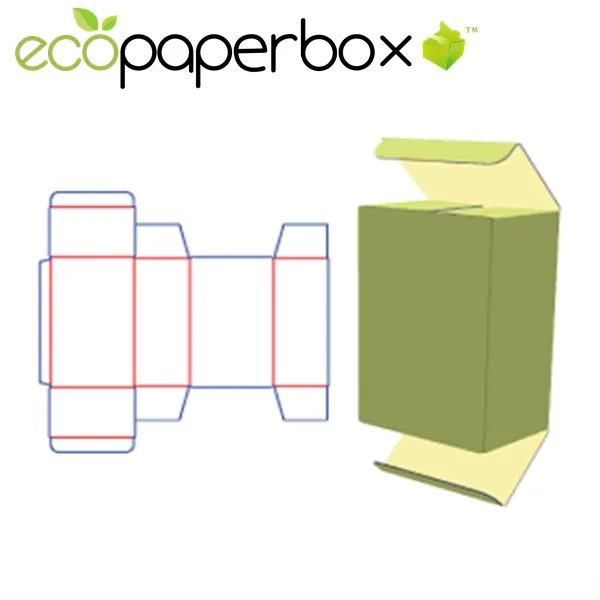
Amazon charges fulfilment and storage fees partly on the dimensions and weight of your unit. Extra centimetres push a product into a higher size tier and add void fill. Right-sizing the box to the product — with just enough room for a protective insert — is the single most reliable way to bring those costs down without weakening protection.
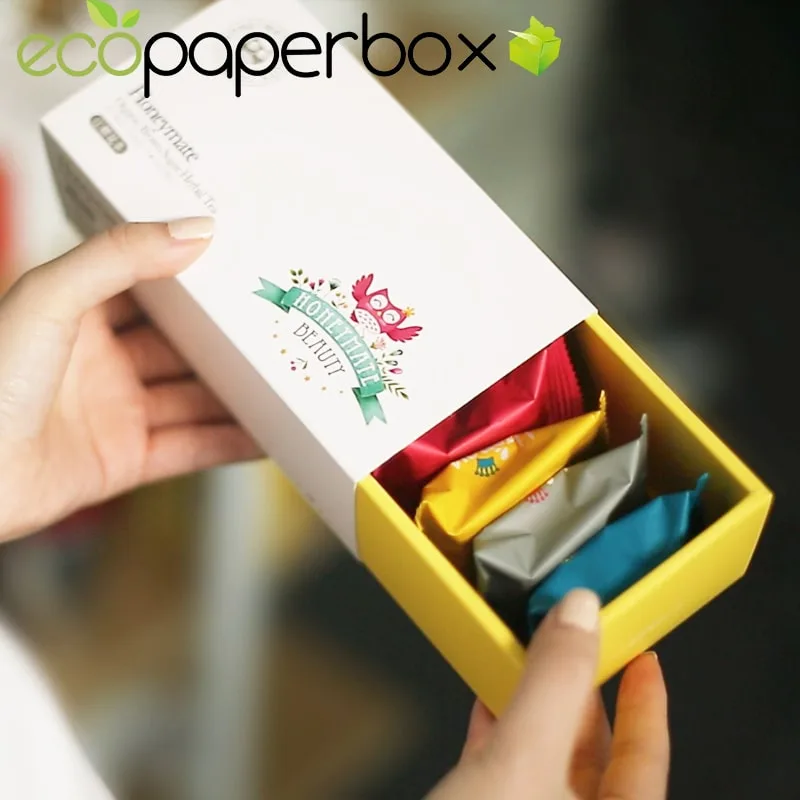
This is where a factory with its own dieline capability earns its keep. Because the cut-and-fold blueprint is drawn for your exact product, you are not forced into a handful of stock sizes with wasted space. A tray-and-sleeve construction, for instance, can hold a set snugly while keeping the outer footprint small.
- Measure the real product, including any accessory and its protective wrap, before fixing the internal dimensions.
- Budget for the insert — a paperboard tray or die-cut spacer adds a few millimetres but prevents the movement that causes damage.
- Check the size tier your dimensions fall into; dropping just below a threshold can change the fee band.
We cover the mechanics in our guide to custom box sizes and right-sizing.
Barcodes, labels and the things that fail scanning
A package can be structurally excellent and still cause headaches if the barcode will not scan. Amazon expects a scannable identifier, and for FFP/SIOC the outer label must stay readable after handling. The common mistakes are mundane: placing the barcode over a fold or a glue flap, printing it too small, using a dark background that kills contrast, or laminating over it so it reflects the scanner's light.
Keep the barcode on a flat, uninterrupted panel, respect the quiet zone around it, and confirm the final printed size against Amazon's current labeling rules rather than an old template. Because we print in-house, we can place a barcode area exactly where the dieline leaves a clean flat panel, and run a printed sample through a scanner before the full order. That kind of check is far easier when printing and die-cutting happen under the same roof.
Materials that survive the fulfilment network
Material choice for FBA is a balance between protection, weight and recyclability. Corrugated board — E flute for lighter retail items, B flute for more cushioning and stacking strength — wrapped with kraft or white card is the workhorse for ship-in-own-container designs. It is paper-based, widely recyclable when kept mono-material, and printable enough to carry brand graphics without a separate overlay.
Be careful with finishes here. A glossy film or soft-touch lamination can make a box look premium, but it can also reduce recyclability and add a layer that scuffs in transit. If the goal is FFP, favour uncoated or aqueous-coated surfaces and restraint in finishing. Rigid boxes tell a different story: a classic rigid gift box is greyboard (1000-1500 gsm) mounted with 157 gsm C2S art paper and ships assembled, which makes it bulky and expensive to move through FBA. The exception is the collapsible magnetic box — the one rigid type that can genuinely ship flat — but it still needs to be evaluated against the same durability tests.
Where a Guangzhou factory fits — and where it does not
A packaging factory can design the structure, draw the dieline, print the graphics and build a sample you can actually drop-test. It cannot grant you FFP status. Amazon sets and approves those requirements, and certification ultimately depends on passing its own testing regime; compliance sits with the seller. Any supplier promising to "make you FFP certified" is overselling what a box maker can do. What a good factory does is give you a package with a fair chance of passing, and the samples to test that assumption early.
Our workshop holds ISO 9001 quality management certification for our Guangzhou facility (certificate copy available on request), High-Tech Enterprise certification (China designation, certificate no. GR202544012474, valid from 2025-12-19 for three years), and is an SGS-audited facility. We can also source FSC-certified paper from FSC-certified mills where a project calls for it, with chain-of-custody documentation available on request. Clients are welcome to visit our Guangzhou factory, and many international buyers tour the production lines — in-house offset printing, lamination, die-cutting and hand assembly under one roof — and review samples on site before placing an order.
Be honest about the tradeoffs. If you need 100 boxes for a two-day launch, a US print-on-demand service such as Arka, Packlane or Noissue, or a local shop, will get them to you faster than any overseas factory; the cost is a higher unit price and fewer structures. Marketplace "suppliers" often turn out to be traders reselling the same Guangzhou boxes at a markup, so buying direct from a factory removes that layer. For a defined run at MOQ 500 or above, our lead time is 7-12 working days after artwork approval, with DDP shipping available so the landed cost is clear. Closure choices also affect both protection and unboxing — we compare them in our guide to mailer box closure types.