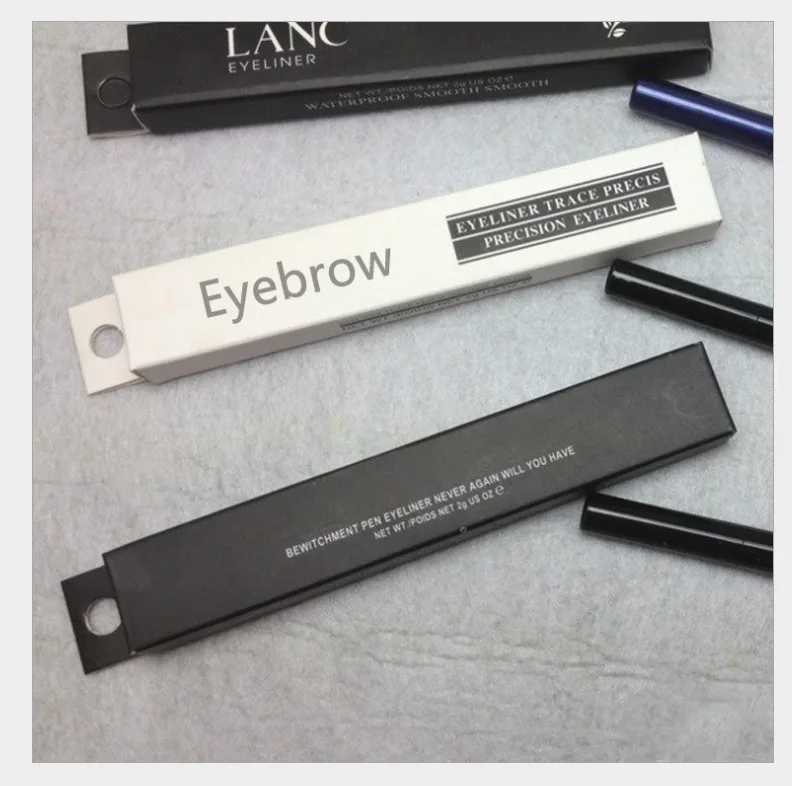
Box size feels like a detail you settle after the artwork is done. In practice it is one of the few choices that touches your unit cost, your freight bill, and your waste stream at the same time. Right-sizing — picking the smallest box that still protects and presents your product — is where most packaging savings actually live. At Ecopaperbox, a Guangzhou custom paper packaging factory with in-house printing and finishing, we see the gap every day between a box sized for the product and a box sized for convenience.
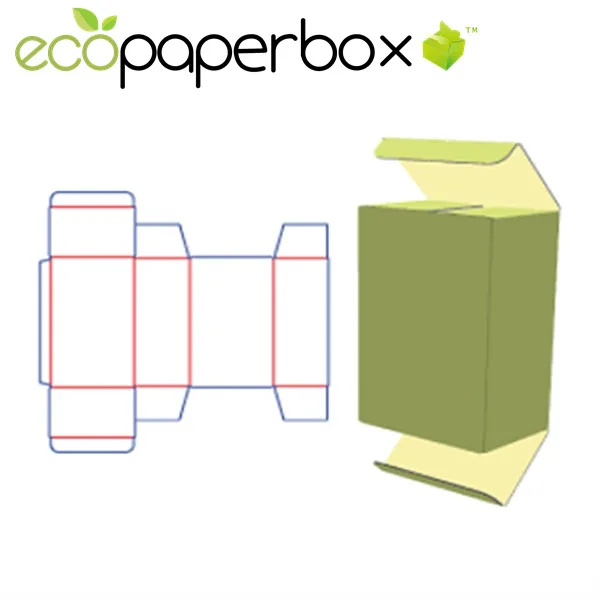
The freight you pay is for the box, not the product
Most first-time buyers estimate shipping by product weight. The number on the carrier invoice usually tells another story: couriers bill dimensional weight, which is the larger of the actual grams and a volume-based figure. A mailer that is a couple of centimetres too long on each side can tip a whole carton into the next billing bracket. A 30 × 20 × 10 cm box and a 34 × 22 × 12 cm box may hold the same product, but the larger one can cost visibly more to ship because the carrier rounds each carton up to its dimensional tier. Multiply that across 100 or 5,000 parcels and the padding becomes a recurring line item you never chose.
Stock sizes are convenient; custom dimensions are precise
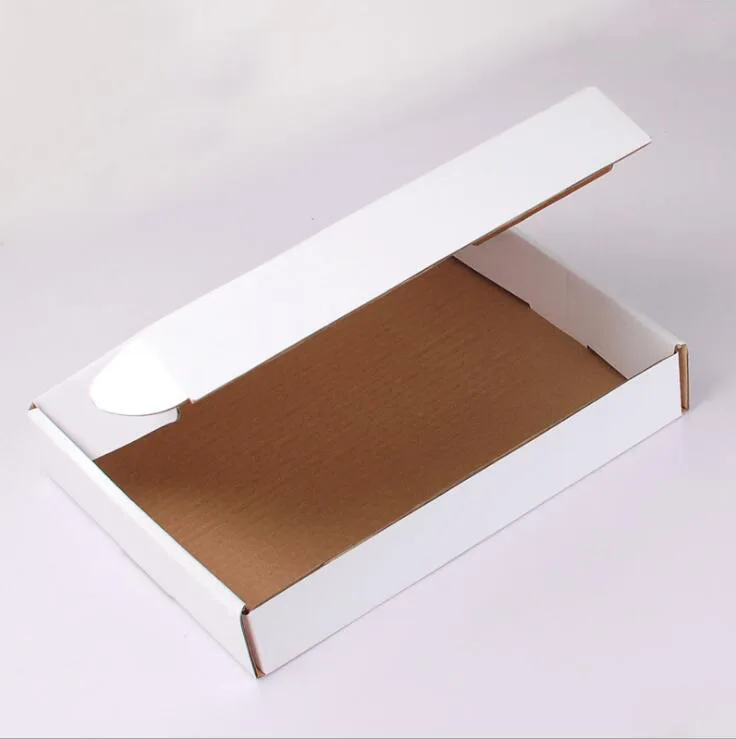
Off-the-shelf box sizes are fast to buy but they almost never match your item. The gap becomes dead air, extra void fill, and a package that looks oversized next to its contents. We regularly see brands buy a 200 × 150 × 100 mm stock box for a 180 × 130 × 40 mm item, then spend more on filler than the box itself costs. A custom dieline lets you set the exact length, width, and height, plus wall thickness and any insert pockets, so the lid closes snug around what it carries. The only real cost is one-time structural design — which is why a free dieline changes the equation for small brands.
Right-sizing saves more than the shipping cost
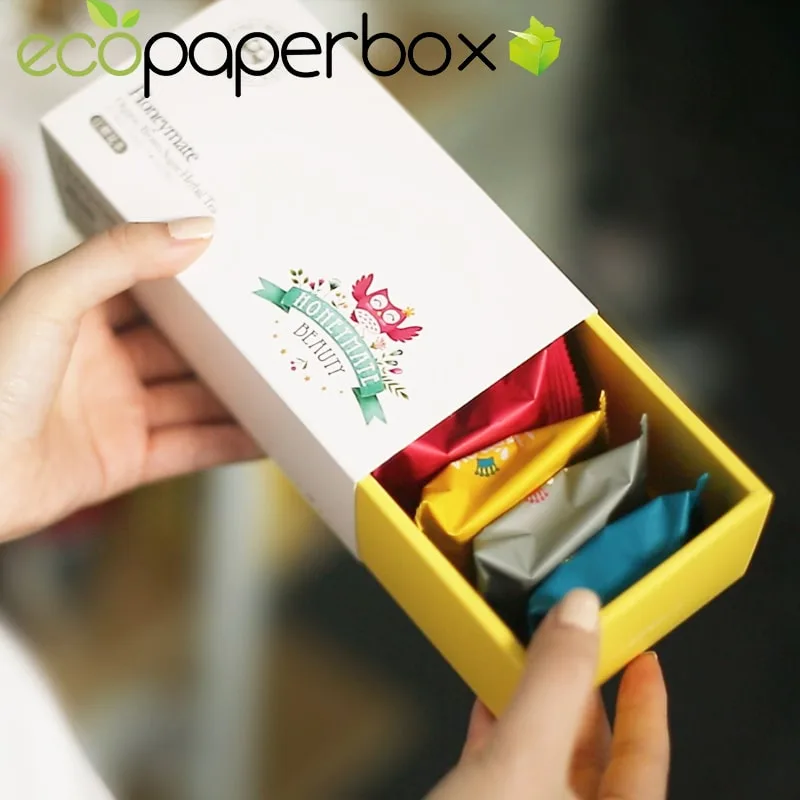
A tighter box uses less board, less ink, and less tape. It also needs less protective filler, which is both a material saving and a cut in packing waste. For subscription and ecommerce brands moving thousands of parcels a month, shaving 10 mm off a mailer can remove a surprising amount of corrugated board over a year. It also fits more parcels per pallet or container, which lowers per-order freight on top of the per-box board saving. The saving is structural rather than promotional, so it repeats on every reorder instead of expiring with a coupon.
A quick dimensional-weight check
Before you lock a size, multiply length × width × height in centimetres and divide by 5,000 for air express or 6,000 for most sea and ground freight. If the result is higher than the real weight, you are effectively paying to ship empty space. That single sum is why sizing belongs in the design stage, not in a panic after the first returns.
Your dieline is the source of truth
The dieline is the cut-and-fold blueprint that sets every dimension. Get it right and the printed box matches the sample; get it wrong and artwork lands on a crease or the lid sits proud of the base. Ecopaperbox provides free structural design and a free blank sample so you can confirm the fit before paying for print — especially useful when you are validating a size at MOQ of 500 instead of committing to a large first run on a guess. If a dimension needs a tweak after the blank sample, the change happens in the file before any print plates are made, so you are never locked into a mistake. See how a dieline works for the basics.
Start small, measure, then scale
You do not need a 5,000-unit order to learn what size works. Order 100, ship to real customers, and watch return rates and filler use. Track how much void fill each order consumes for a month; that figure alone often justifies a second, tighter dieline for your best-selling SKU. Once the size is proven, scale on the same saved dieline so the box stays identical at any volume. A common mistake is over-customizing: an awkward aspect ratio can waste sheet space on the press, raise tooling complexity, or make the box slow to pack by hand. If your range spans several variants, one slightly larger "one-size" box can beat three bespoke sizes on total cost. As a Guangzhou factory with in-house offset printing, lamination, die-cutting, and hand assembly — and an ISO 9001-certified workshop — we keep unit cost competitive from 500 to 5,000+ pieces. Many marketplace "suppliers" resell the same Guangzhou boxes at a markup, so going factory-direct keeps the saving as you grow. Explore our custom packaging options to spec your first size.