
Most buyers can tell a premium box on sight, but they can't always say why. Often it's the finishing. Foil stamping, embossing, and spot UV are the three treatments that take a plain paperboard carton and make it feel like a considered, premium product. This guide explains what each one does, where it earns its cost, and where it quietly wastes money — written from the floor of a working packaging factory, not a catalog.
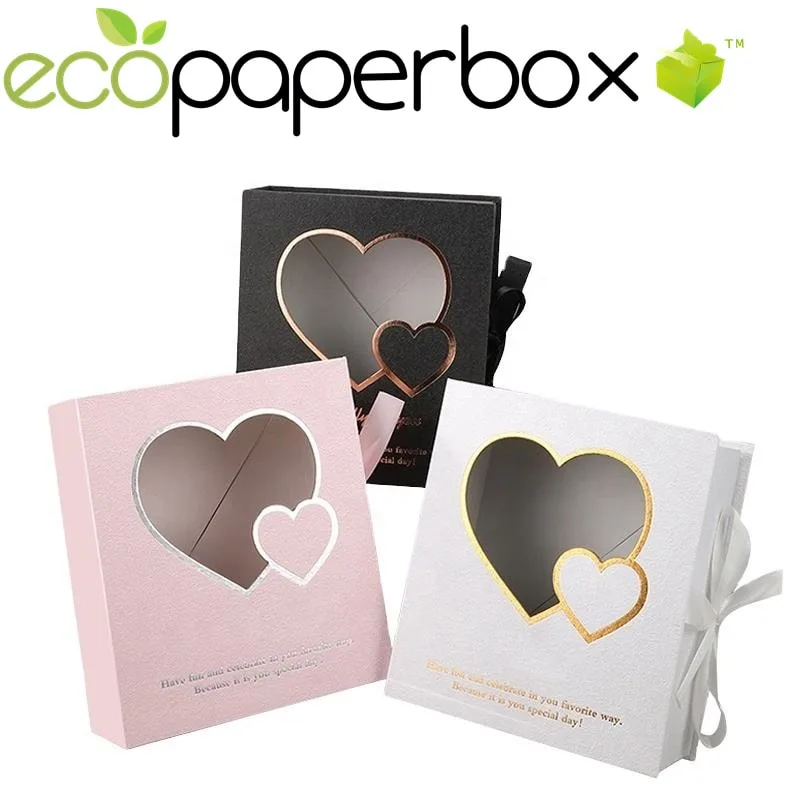
What 'finishing' means (and why it matters)
A finish is any process applied after the box is printed and die-cut: a coating, a metallic layer, a pressed texture, a gloss accent. The board and print do the heavy lifting; finishing is the detail that signals quality. On a rigid box — greyboard wrapped in 157 gsm C2S or specialty paper — finishing reads as luxury. On a folding carton (SBS or kraft) it reads as 'this brand paid attention.' The catch: every finish adds a plate, a pass through the press, or a hand step, so each one should justify itself.
Foil stamping — metallic shine, done right
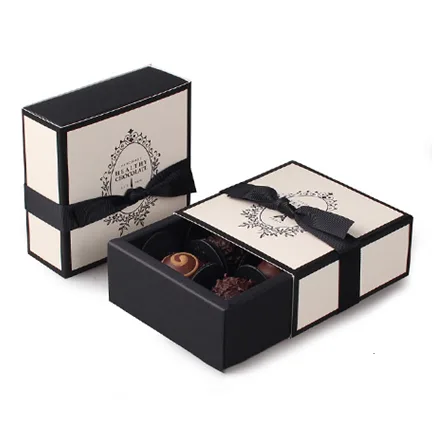
Foil stamping presses a thin metallic film (gold, silver, copper, or a custom color) onto the surface using a heated die. It's the finish most associated with premium gifting. Done with restraint — a logo, a thin border, a single line of type — it looks expensive. Done as a full-panel flood, it looks dated and costs more than it returns.
Foil works best on rigid boxes and collapsible magnetic boxes, where the flat lid is a natural canvas. On folding cartons it's fine too, but the die cost is harder to amortize at very low volumes. A skeptic's note: foil doesn't photograph as 'shiny' as people expect under harsh light; matte and brushed foils read more refined than mirror finishes.
Embossing and debossing — texture you can feel
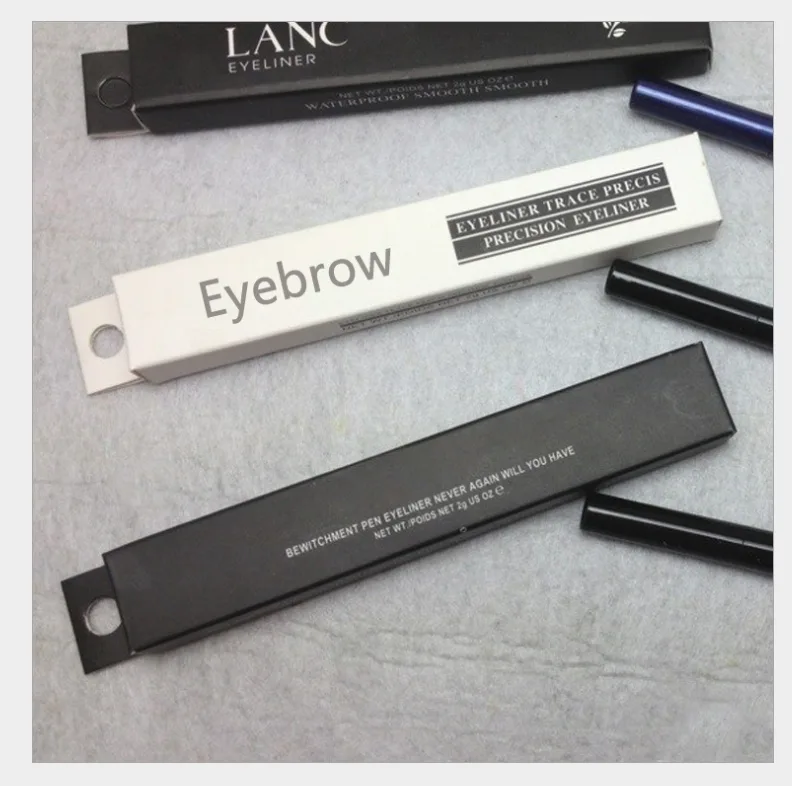
Embossing raises a design above the surface; debossing presses it below. Both create a tactile mark that needs no ink at all — often called 'blind emboss' when left unprinted. This is the most honest premium signal: you feel it before you see it. It suits logos, monograms, and simple marks on rigid lids and book-style boxes.
The tradeoff is precision. Fine detail under 1 mm can lose definition, and a deep emboss on thin board can show through the other side. We often pair a light blind emboss with a small foil accent; together they read as luxury without shouting.
Spot UV — the subtle gloss accent
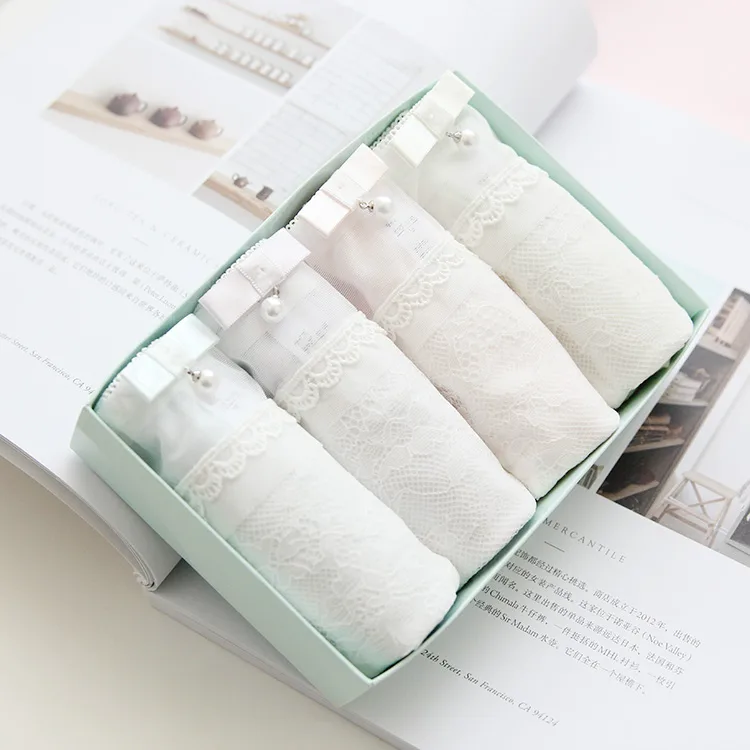
Spot UV lays a clear, high-gloss coating over specific areas while the rest of the box stays matte. The contrast is the point: a logo or pattern that catches light only when you tilt the box. It's cheaper than foil, survives handling better, and looks modern rather than traditional.
Spot UV is most effective on coated stocks (C2S, SBS) where the matte/gloss split is crisp; on uncoated kraft the effect is muted. A common miss is covering too much area with spot UV, which defeats the contrast and adds cost.
When to use each (and when to hold back)
| Finish | Best for | Watch-outs |
|---|---|---|
| Foil stamping | Logos, borders, gift lines on rigid / collapsible magnetic boxes | Flooding a whole panel; higher die cost at low volume |
| Emboss / deboss | Monograms, tactile marks, blind (no-ink) accents | Fine sub-1mm detail; show-through on thin board |
| Spot UV | Modern brands; logos / patterns on coated stock | Muted on kraft; avoid covering large areas |
Rule of thumb: pick one hero finish, maybe two that complement. Stacking foil + emboss + spot UV on one box rarely improves it and always adds cost. Print-on-demand services (Printful, Noissue, Packlane) offer some of these finishes, but a factory running its own press controls registration and consistency at a lower unit cost once you're past a few hundred pieces.
The mistake we see most
Buyers spec a full-foil wrap because a competitor did it, then watch the unboxing photos look flat and the unit price climb. Finishing should answer a question — 'does this need to feel like a gift?' or 'does the logo deserve emphasis?' — not fill empty space.
The second mistake is forgetting the inside. A plain outside with a foil logo and a blank interior feels unfinished. A printed interior or a simple inside mark often delivers more perceived value than a second outside finish.
How we run it at the Guangzhou factory
At Ecopaperbox we're a Guangzhou-based custom paper packaging factory with in-house offset printing, lamination, die-cutting, and hand assembly under one roof. That matters for finishing: color, registration, and foil alignment are controlled on our own presses rather than subcontracted blind. Many international clients tour our production lines and review samples on site before ordering — seeing a foil pull or an emboss proof in person settles more arguments than a screen render.
We hold ISO 9001 certification for our workshop, a High-Tech Enterprise designation (certificate no. GR202544012474, valid from 2025-12-19), and our facility is SGS-audited. If a project needs FSC-certified paper, we source it from FSC-certified mills with chain-of-custody documentation available on request. Standard MOQ is 500 pieces across all box types — rigid, folding, kraft, and corrugated — which keeps a premium test run affordable against an industry norm of 1000–3000+. Typical lead time is 7–12 working days after artwork approval, with finishing and peak season as the usual variables. If you're weighing structure first, our rigid vs folding guide covers which box type the finish should sit on.
Premium isn't a finish you add at the end. It's a restraint you apply throughout. For a structured starting point, see our custom luxury gift boxes.