
Most food brands start the packaging conversation at the wrong end — color, finish, and shelf look — and only discover the material questions when a sample comes back smelling of ink or a cookie bleeds grease through the lid. If you make or sell anything edible, the box is part of the food-safety chain, not just a wrapper.
At our Guangzhou factory we print and assemble custom food boxes in-house — offset printing, lamination, die-cutting, and hand assembly all under one roof. Many international clients visit the Guangzhou factory and tour the production lines, then review physical samples on site before placing an order. That hands-on check is the fastest way to confirm a structure actually protects your product. Below is the practical checklist we walk through with food makers.
Food-grade board is the baseline, not a luxury
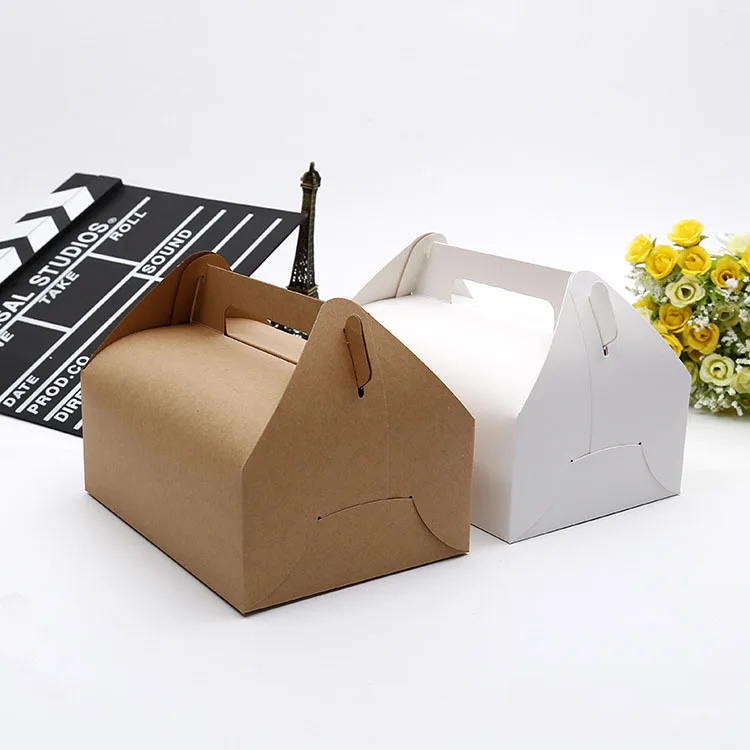
Food contact does not mean you need plastic. Paperboard — SBS white card or kraft — is widely used for dry foods, confectionery, and baked goods as long as the board is the right grade for contact. For a folding carton that ships flat, we typically run 250-350 gsm SBS or kraft; for a premium rigid chocolate or tea gift box, greyboard (1000-1500 gsm) mounted with 157 gsm C2S art paper is the standard build.
The key is specifying food-safe board from the start, because a board that is fine for shoes is not automatically fine for a biscuit. Ask for the board grade by name in your quote, not just "cardboard." Between kraft and white SBS, the choice is mostly visual: kraft reads rustic and handmade, white SBS prints cleaner and shows true brand colour. Neither is more food-safe than the other — what matters is the grade and any liner behind it.
Low-migration inks and why they matter
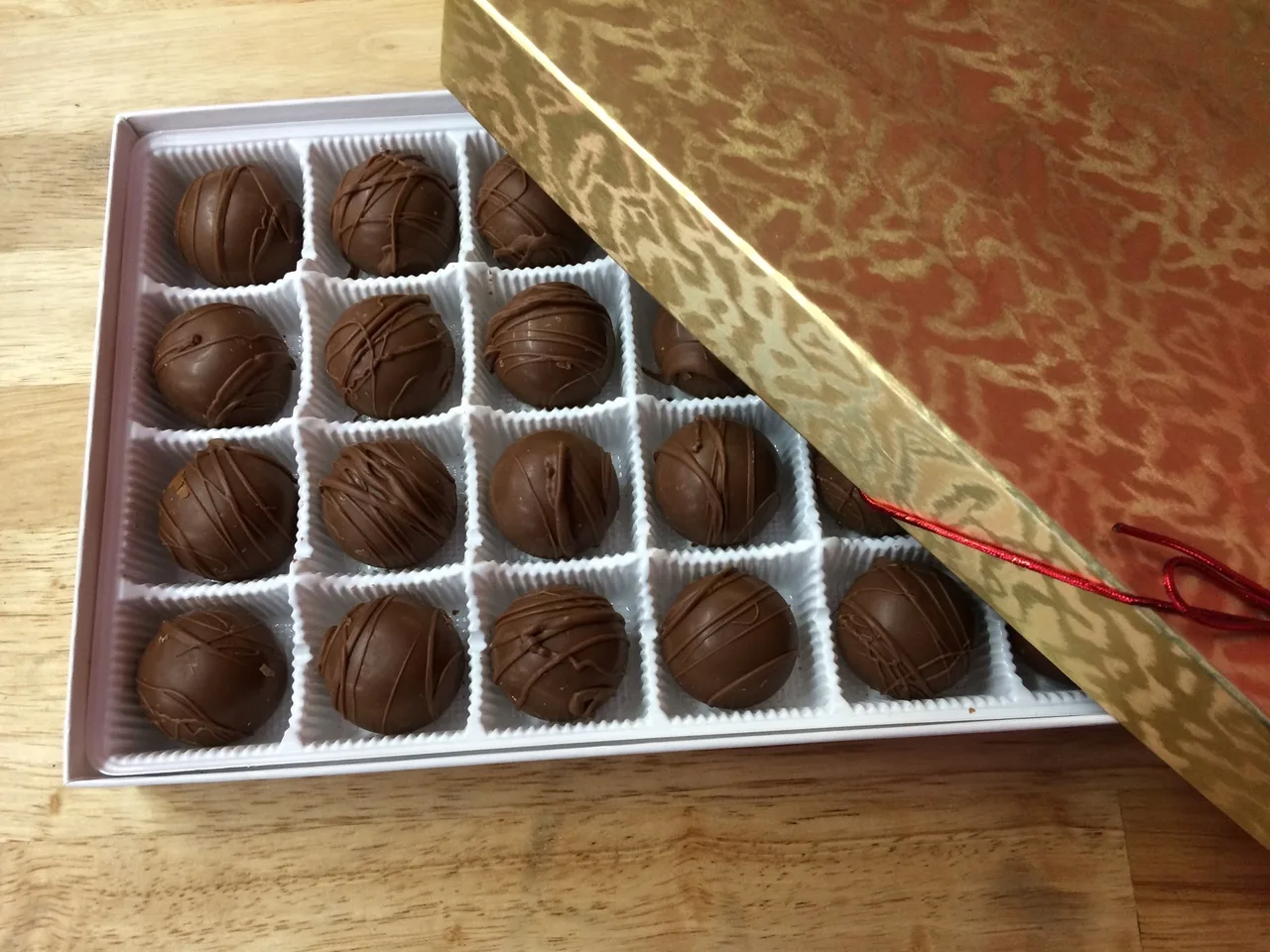
The print on the outside of a box rarely touches the food — but it can, through handling, condensation, or a window cut. Low-migration inks are formulated so colourants do not transfer to the product. This is where in-house offset printing helps: we control the ink system and can run low-migration inks to spec rather than leaving it to a subcontractor.
If your product is greasy, fatty, or high in alcohol — chocolate, pastry, spirits — ask for low-migration ink by name. It is a one-line note in the artwork spec, not an upgrade you discover after a bad batch.
Liners and inserts: handling grease and shape
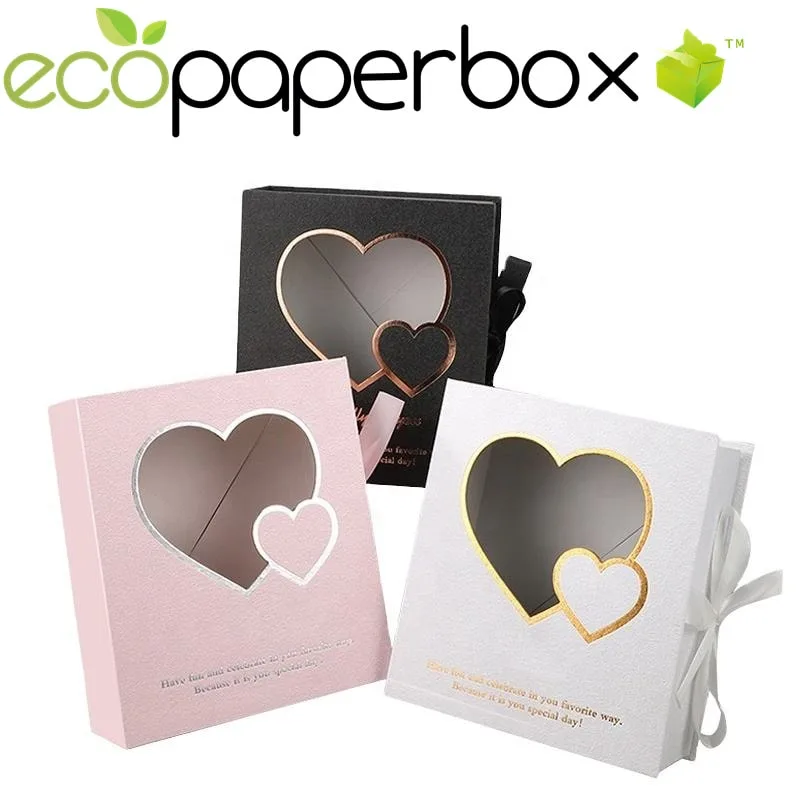
A plain paperboard wall will eventually show grease from a butter cookie or a chocolate truffle. Three practical fixes: a grease-resistant liner or glassine interlayer inside the carton; a tray or insert (paper, EVA, or moulded pulp) that holds the product away from the printed wall; or a window with PET/PP film if you want the product visible — noting the film is a plastic element, so weigh the show-versus-recyclability tradeoff honestly.
For fragile items like macarons or pralines, a molded insert keeps shape and prevents scuffing far better than extra board thickness. A common mistake is sizing the box too loosely and filling the gap with crumpled paper — it looks careless and still lets the product rattle. A snug tray costs a little more in tooling but reads as intentional and protects better.
Choosing the right structure for food
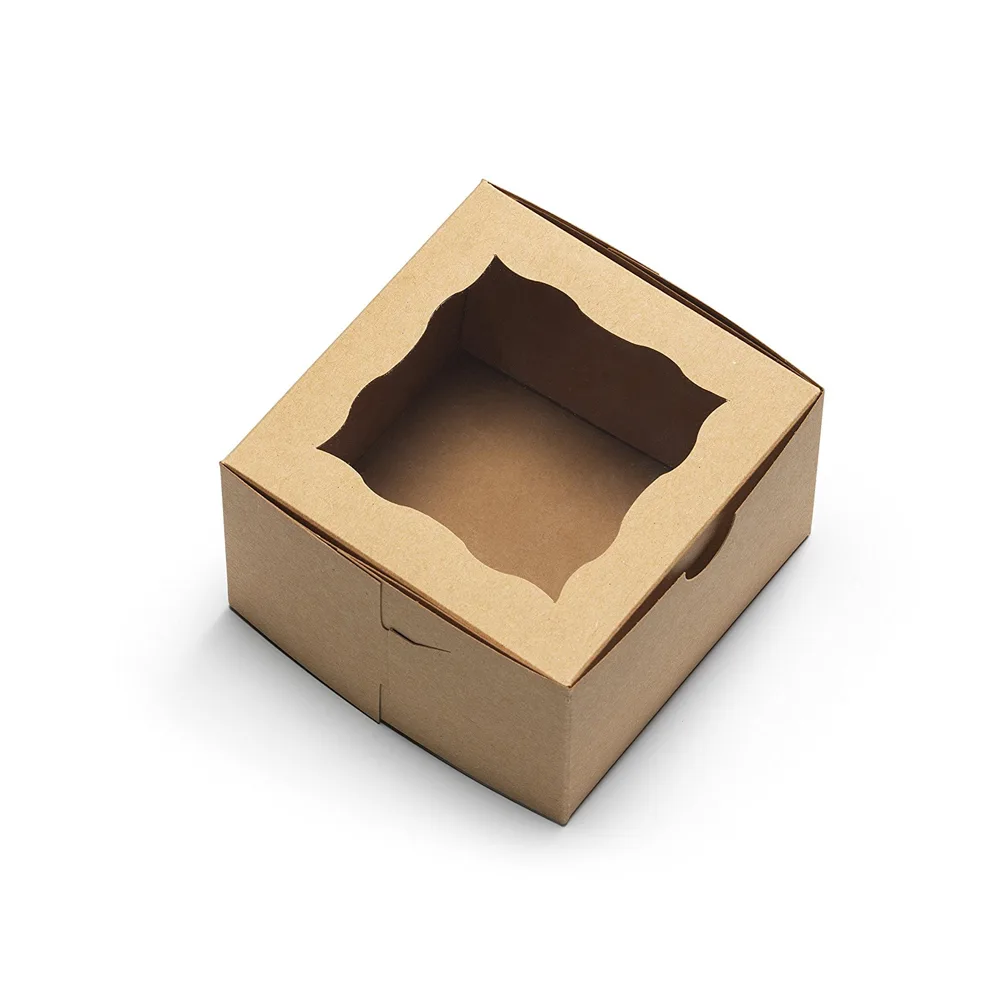
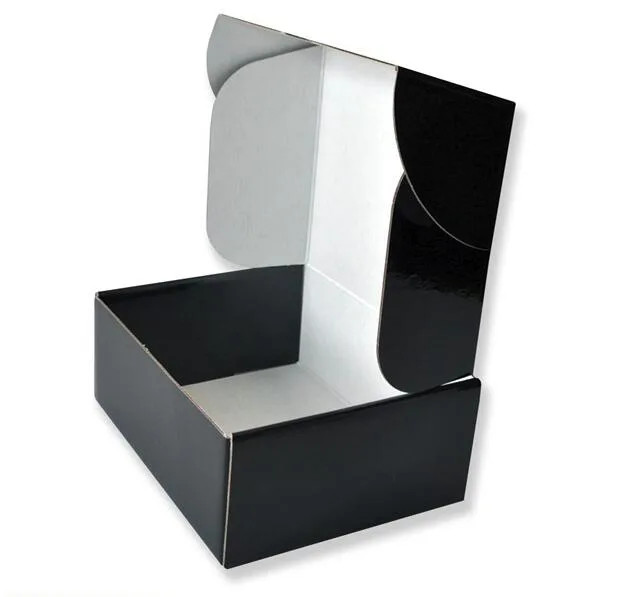
Structure follows the product and the channel. A folding carton (SBS or kraft) ships flat and is the workhorse for retail snack and confectionery SKUs. Corrugated (E/B/F flute wrapped with white card or kraft) is the right call when the box itself is the shipper — bakery subscription runs, gift towers.
A rigid box (greyboard + art paper) ships assembled and reads premium, ideal for chocolate assortments and tea; the collapsible magnetic version is the only rigid type that folds flat for freight. Match the build to margin: a $4 cookie does not need a $3 rigid box. See our folding cartons or the rigid vs folding guide to narrow the build.
Compliance, certifications, and what we can actually promise
We hold ISO 9001 quality management certification for our Guangzhou workshop (certificate copy available on request), High-Tech Enterprise certification (China designation, certificate no. GR202544012474, valid from 2025-12-19 for three years), and our facility is SGS-audited. If your market requires chain-of-custody documentation, we can source FSC-certified paper from FSC-certified mills with CoC paperwork available on request — framed as mill-sourced, not a claim that we hold our own FSC certificate.
What we will not do is promise a box is "compostable" or invent food-safety certs we don't hold; food-contact law is yours to confirm for your market. If you are comparing options, the print-on-demand names — Arka, Packlane, Noissue — are fast and easy for small decorative runs, but their food-grade and rigid ranges are narrower and unit price climbs quickly past a few hundred pieces. As a Guangzhou factory we price competitively from 500 pieces upward and keep the same dieline on file for consistent reorders. Standard lead time is 7-12 working days after artwork approval.
Start with the board grade and the liner, not the finish. Our free dieline and blank sample let you check the fit before committing to print — and you are welcome to visit the Guangzhou factory to see the lines running.