
Why handmade brands sweat the box
When you make soap or skincare in small batches, the product is the proof - but the package is what a first-time buyer sees before they smell or feel anything. A bar wrapped in wax paper with a typed label reads "hobby." The same bar in a printed kraft tuck carton reads "brand." For handmade makers, packaging is less about protecting the item (most of these products are sturdy) and more about signaling that you take the business seriously.
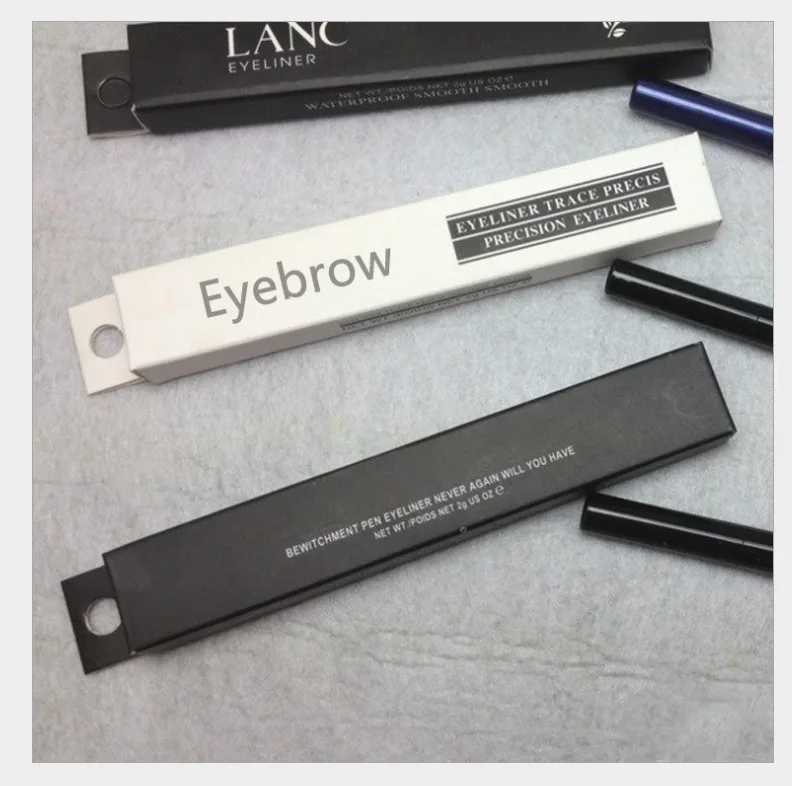
That creates a tension: you want a polished, shelf-ready carton, but you may only sell a few hundred units a season. Ordering thousands of boxes ties up cash you could spend on ingredients or a market table. The good news is that a Guangzhou factory with in-house printing can now run a serious custom carton at a 100-piece minimum, so you can look established without betting the farm.
Bar soap: wrap first, carton second
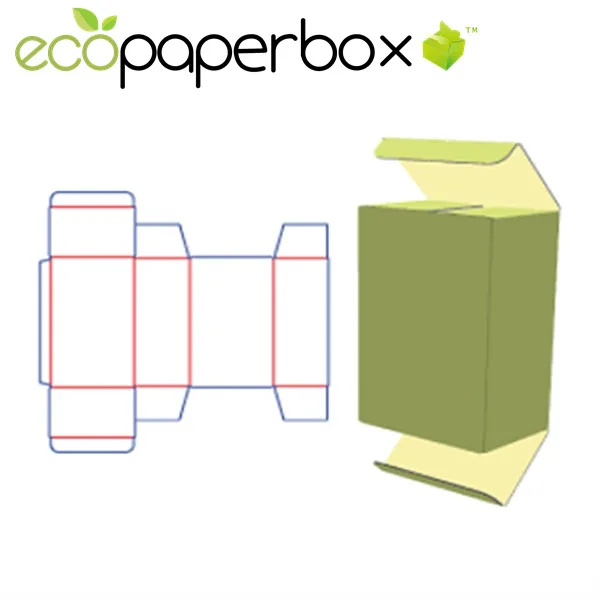
Bar soap is the one product in this category that usually needs two layers. The soap itself wants a tight wrap - wax paper, glassine, or a simple band - to keep it from sweating and to stop it sticking to cardboard. The carton is the outer story: a straight tuck-end box (top and bottom flaps that meet in the middle) in 300-350 gsm SBS or natural kraft is the workhorse.
A common mistake is printing directly on a flimsy carton and hoping the bar holds its shape. If the bar is large or soft, give it a 350 gsm board or a kraft that has been calipered for stiffness. And leave a window or a clear panel only if the soap is genuinely pretty - an unprinted band with your logo often looks more "artisan" than a busy full-bleed print.
Skincare jars, tubes, and bottles: folding cartons and sleeves
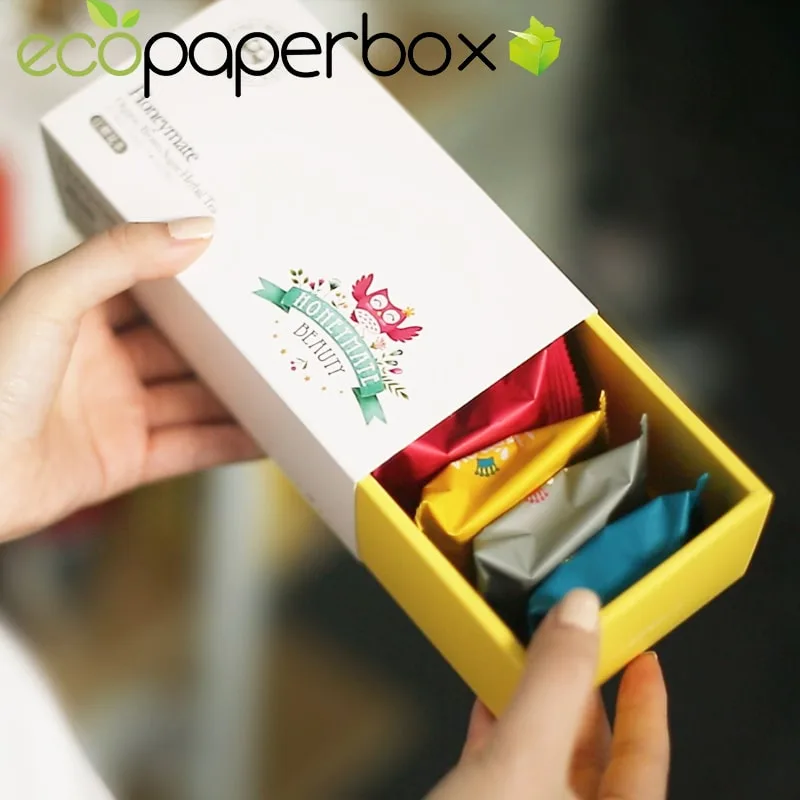
Jars and bottles are heavier and more uniform than bars, so they suit a folding carton or a tray-and-sleeve combo. A tuck carton in 300 gsm SBS protects a 30-50 ml jar well and prints cleanly in full color. A cardboard sleeve over a plain inner tray is a smart low-waste option: the tray can be unprinted kraft while only the sleeve carries your brand, cutting both cost and ink.
Watch the fit. Skincare glass is fragile on a shelf but rarely in transit if it sits snug; a carton that is 2 mm too wide lets the jar rattle and reads as cheap. Right-sizing the carton is free to specify at low MOQ because the dieline is built to your dimensions, not pulled from a catalog.
Kraft or white SBS? The handmade look
Kraft says natural, unfiltered, small-batch. White SBS says clean, clinical, premium. Neither is more "eco" by itself - what matters for recycling is whether the box is a single paper material without heavy plastic lamination. For handmade soap and skincare, kraft folding cartons are the default because the brown fiber matches the "made by a person" story, and they take foil or a single-color logo nicely.
If your line leans clinical (think serums and toners), white SBS shows true color and reads more like a department-store brand. You can also mix: kraft carton, white label. The point is to choose the paper for the feeling you want, not because one is magically greener.
When a rigid gift box earns its freight
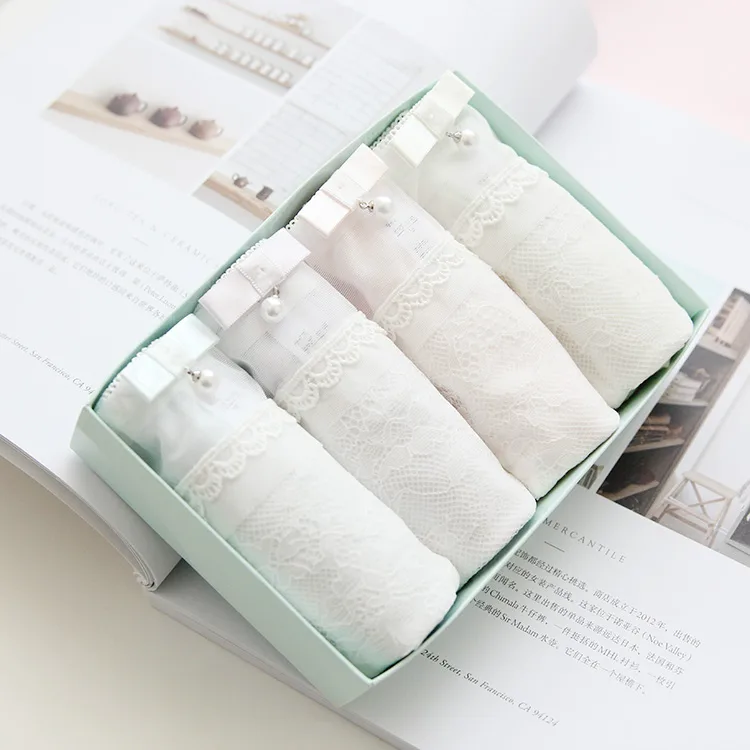
Most handmade skincare lives in folding cartons. But a holiday gift set - three bars plus a balm, say - is where a rigid box pays off. Rigid here means greyboard (typically 1000-1500 gsm) wrapped in 157 gsm art paper or specialty stock; it ships assembled and feels substantial in the hand. A collapsible magnetic version gives the same premium look but folds flat for cheaper freight.
Be honest about the tradeoff: a rigid box costs more per unit and ships heavier than a flat carton, so reserve it for gift sets or hero products where the unboxing is part of the pitch. For everyday bars and jars, folding cartons keep your landed cost low. If you are weighing rigid against folding for a beauty line, our rigid vs folding guide walks through the trade-offs.
Start at 100, then scale
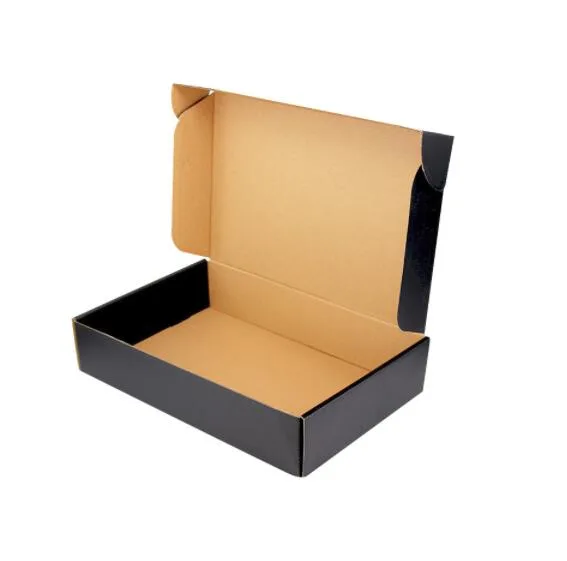
The old rule was that custom cartons started at 1,000-3,000 pieces. At Ecopaperbox, a Guangzhou factory with in-house offset printing and an ISO 9001-certified, SGS-audited workshop, a 100-piece run is standard - not a favor. That lets you test a label, a size, or a holiday design without committing to a warehouse of boxes you might redo.
Lead time is typically 7-12 working days after artwork approval, then freight on top (DDP to your door is available, so the quote includes customs rather than surprising you later). When a scent sells through, reorder at 500 or 1,000 and the per-unit cost drops as tooling amortizes - you never have to switch suppliers or re-explain your dieline. If you would rather not hold stock at all, US print-on-demand names like Arka or Packlane are faster for a tiny urgent run, though the per-box price is higher; a direct factory wins on unit cost once you are past the first test batch.
Bottom line: pick the paper for the feeling, size the carton to the product, and start small. A 100-piece run lets a handmade brand look the part and learn what customers actually keep.