
Beauty is one of the few product categories where the box does real selling work. A serum that costs thirty dollars feels like a thirty-dollar product partly because of the carton it arrives in. So when a skincare or makeup founder asks us for packaging, the first question is rarely "how cheap" — it is "rigid or folding?" Here is how we walk that decision with brands every week. 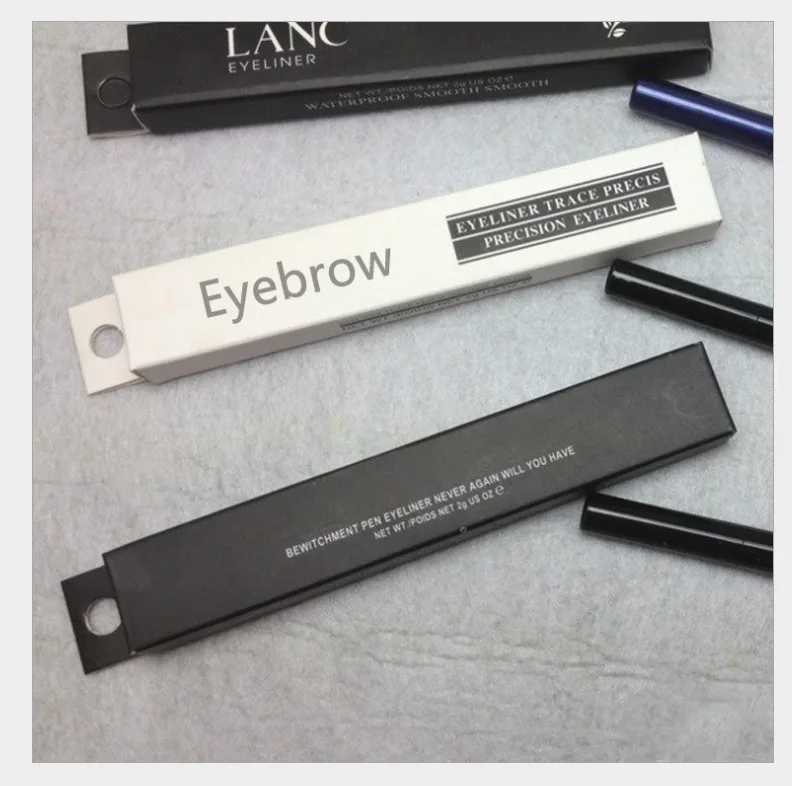
Why beauty packaging leans premium
For higher-value items — a facial oil, a prestige lipstick, a giftable trio — a rigid box earns its keep. A rigid box is built from greyboard (usually 1000 to 1500 gsm) wrapped in 157 gsm C2S art paper or a specialty paper. It ships assembled, holds its shape, and reads as substantial the moment a customer picks it up. 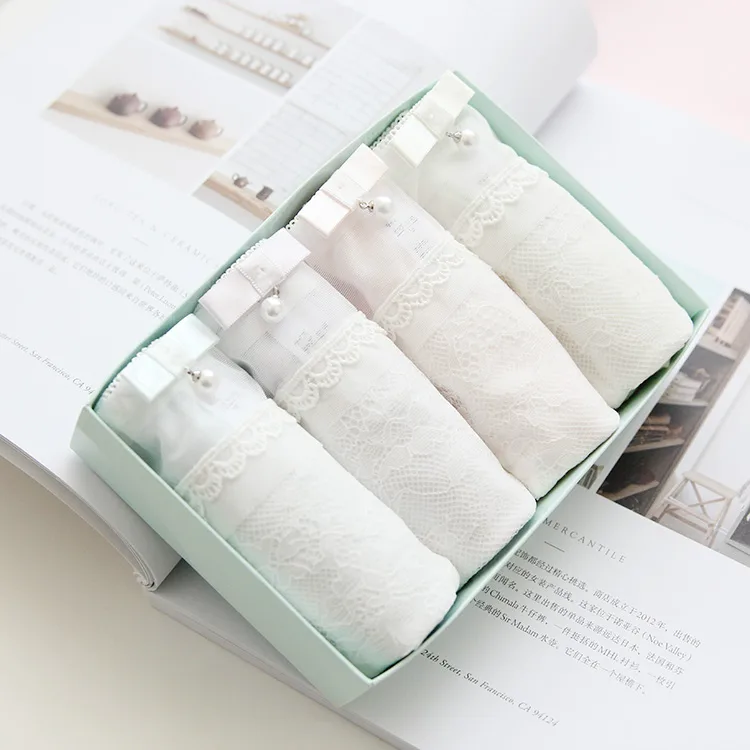
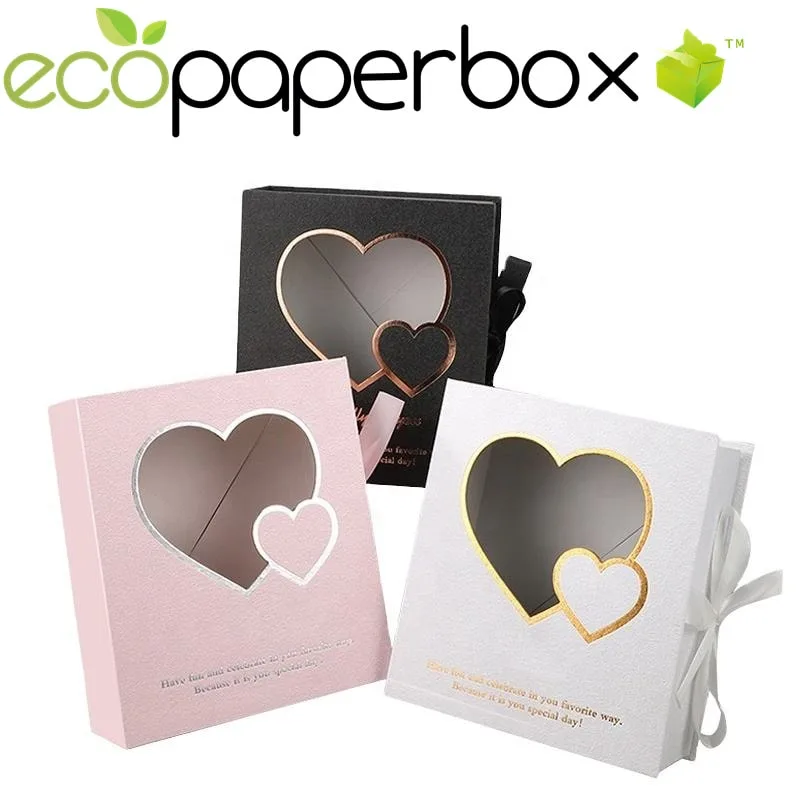
If you want that rigid look but cannot stomach the freight of a fully assembled box, the collapsible magnetic box is the workaround. It is the same greyboard-and-art-paper construction with hidden magnets, but it folds flat for shipping and springs into shape on the shelf. It is the only rigid type we make that flat-ships.
When a folding carton is the smarter call
Not every beauty item needs a rigid box. Light, lower-priced, or high-volume products — sheet masks, single eyeshadows, lip balms, sample sachets — sit perfectly in a folding carton made from SBS white board or kraft. Folding cartons ship flat, cost less per unit, and still print beautifully on our in-house offset presses. 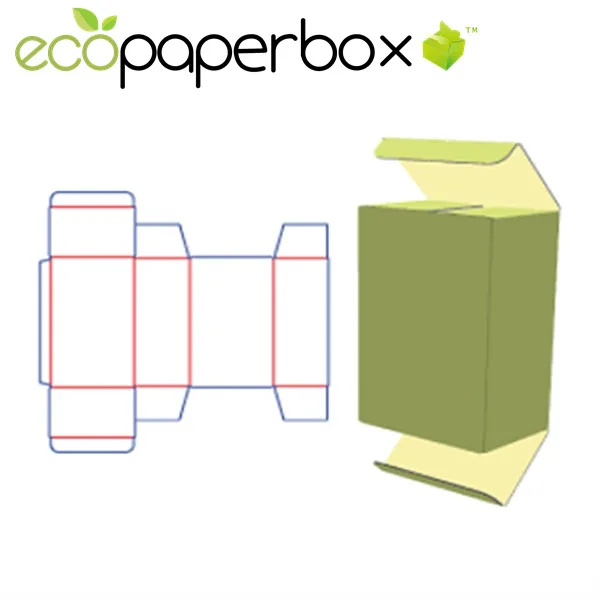
For ecommerce, a folding carton often drops straight into a corrugated mailer. You get branded unboxing on the inside without paying to freight an assembled rigid box across an ocean.
Material reality check: what each box actually is
A quick, honest map of the terms you will hear:
- Rigid box — greyboard core (1000 to 1500 gsm) plus 157 gsm C2S or specialty paper wrap. Ships assembled. Never call this a "white card" or "kraft core" box; the body is greyboard.
- Collapsible magnetic box — rigid construction that folds flat. The only rigid type that flat-ships.
- Folding carton — SBS white board or kraft, creased and glued flat. Ships flat, pops up by hand.
A common mistake beauty founders make
We see two opposite errors. The first is over-rigiding a light, inexpensive item — you pay for board and freight the product never needed. The second is the reverse: a 120-dollar serum shipped in a flimsy tuck carton that undercuts the price you are asking. Match the structure to the product's weight and price point, not to a mood board. 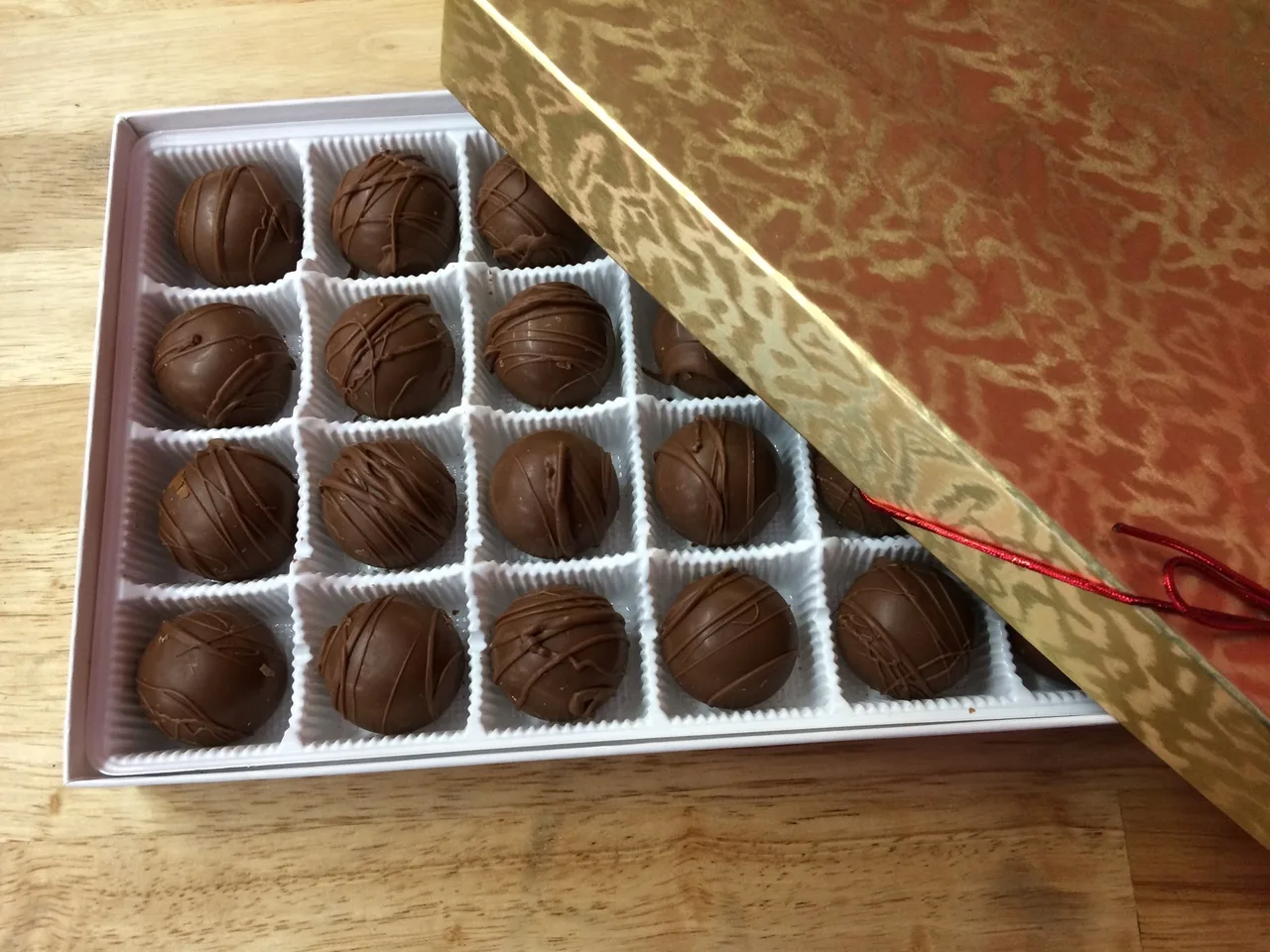
Delicate glass (a perfume bottle, a dropper) often wants an insert — EVA foam, a molded pulp tray, or a simple card platform — to keep it from rattling. That insert works inside either a rigid box or a sturdy folding carton.
How to choose: a quick decision rule
A practical way to decide:
- Product over about 40 dollars and fragile or giftable — rigid or collapsible magnetic.
- Light, under about 25 dollars, or high volume — SBS folding carton, possibly inside a mailer.
- Mostly ecommerce, freight-sensitive — folding carton plus corrugated mailer, or collapsible magnetic if the unboxing is the marketing.
If you are unsure, start at our rigid vs folding guide and a free blank sample settles it faster than any debate.
Working with a Guangzhou factory: MOQ, lead time, finishes
As a Guangzhou factory with in-house offset printing, lamination, die-cutting, and hand assembly, we run both rigid and folding lines under one roof. We hold MOQ 100 across most box types — the industry used to ask for 1000 to 3000, but low overhead makes a 100-piece test run realistic, so you can validate unboxing before committing to a large order. Typical production after artwork approval is 7 to 12 working days; foil, emboss, and soft-touch add a little. 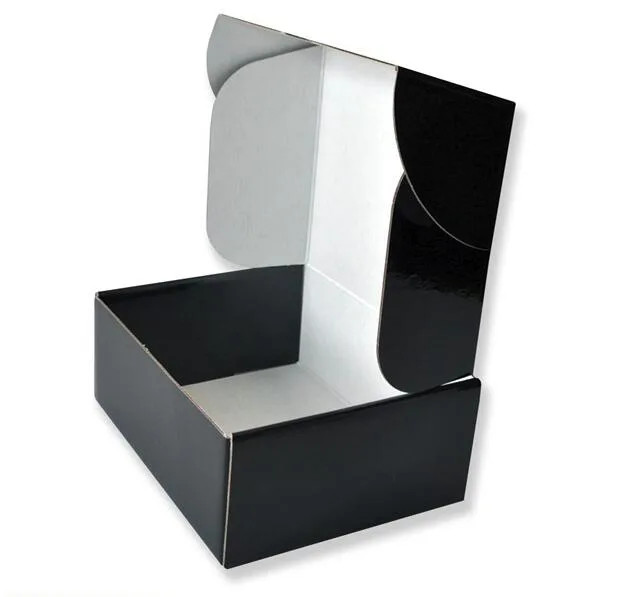
We hold ISO 9001 quality certification for our workshop, High-Tech Enterprise status (certificate no. GR202544012474, issued 2025-12-19, valid three years), and our facility is SGS-audited. If a project needs it, we can source FSC-certified paper from FSC-certified mills with chain-of-custody documentation on request.
Honest alternatives exist: Arka and Packlane offer fast US-based print-on-demand with low minimums but higher per-unit cost; Noissue leans eco-branded and easy. A direct Guangzhou factory like ours wins on unit price at 100 plus and on structural freedom, and we can ship DDP so the door price includes freight and duty. You do not need a marketplace trader to reach these boxes — many suppliers there resell the same Guangzhou production at a markup.
Test one structure at 100 pieces, learn what your customers say about the unboxing, then scale. That is a lower-risk path than guessing at 1000. See our low-MOQ explainer for the cash-flow math.