
What a Sample Box Actually Costs
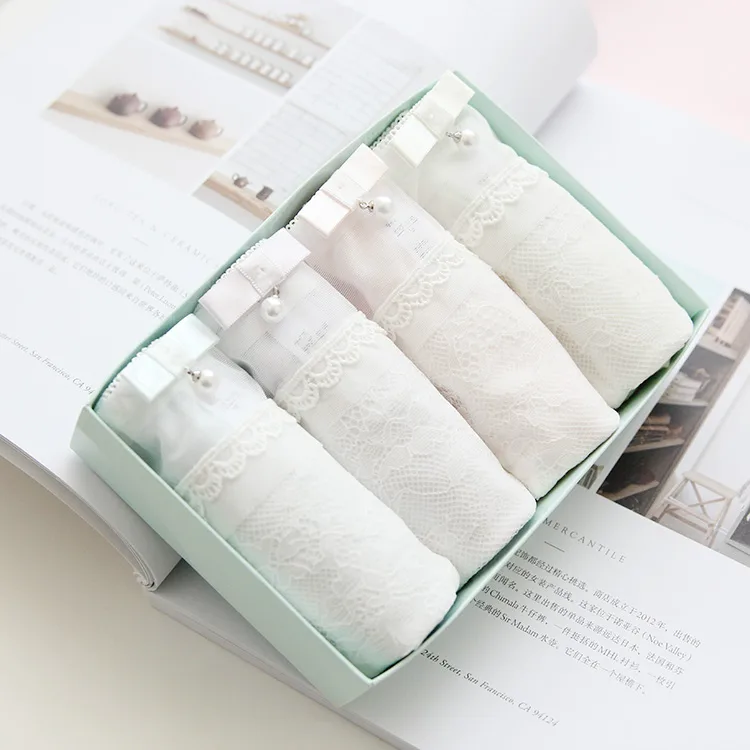
Before you commit to 500 boxes, the smartest money you spend is on a sample. But "sample cost" is not one number — it splits into three things: the dieline (the structural blueprint), a blank mock-up, and a printed pre-production sample. Knowing what each costs, and what Ecopaperbox gives you free, changes how you de-risk an order.
What a Dieline Is — and Why It Usually Costs Money
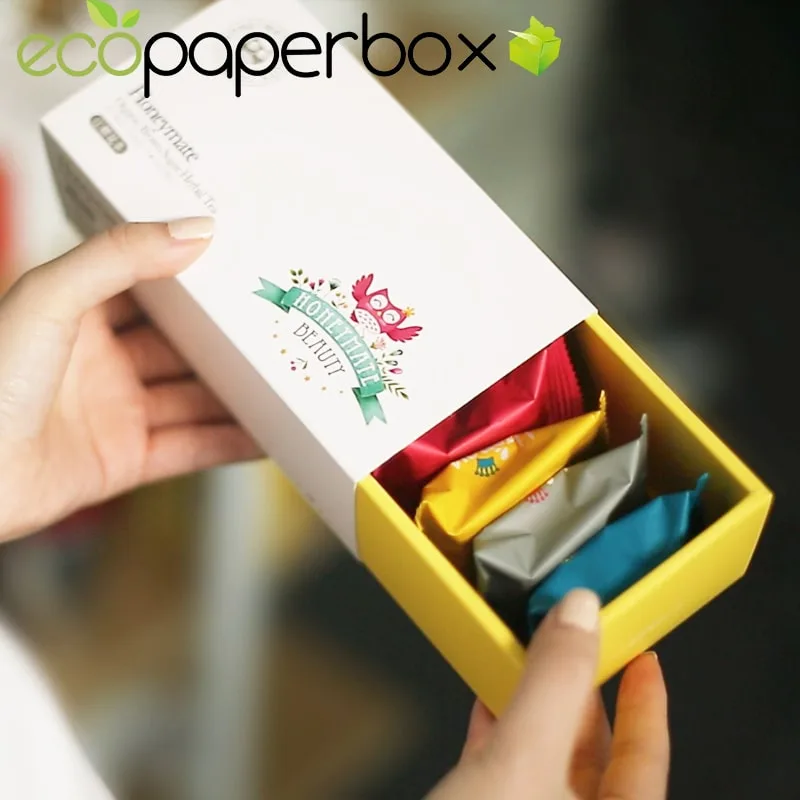
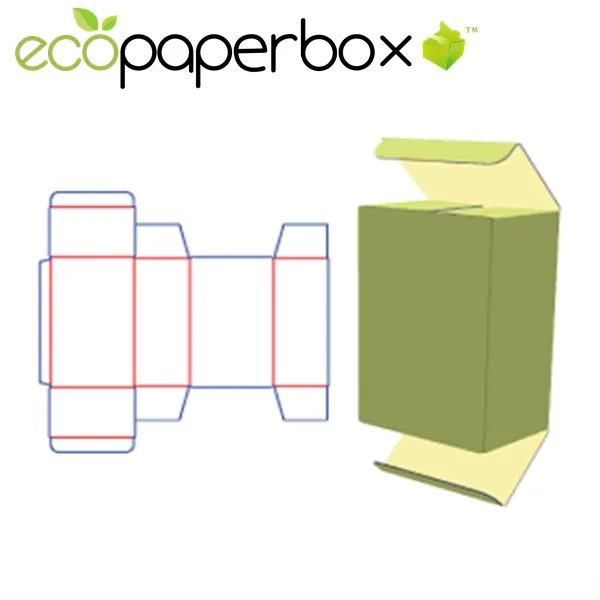
A dieline is the cut-and-fold template: where the knife cuts, where it scores, where the magnets or tabs sit. It is the single most important file in packaging, because a wrong fold line cannot be fixed in print — it is baked into the box.
Traditionally, a custom dieline costs anywhere from $50 to $150 at a print shop, and some factories treat it as a non-refundable tooling fee. At Ecopaperbox it is free: our Guangzhou workshop builds the structural file for you as part of quoting. That is not a gimmick — it is a low-overhead factory absorbing a cost that a trading company would pass on. If you want to understand the dieline itself before asking for a quote, see our guide to what a dieline is and why it matters. A clean dieline also speeds reorders, because the file is reusable.
- What you get: an exact template matched to your product dimensions.
- What it is not: a printed box — just the shape.
The Blank Sample: Check Structure Before You Print
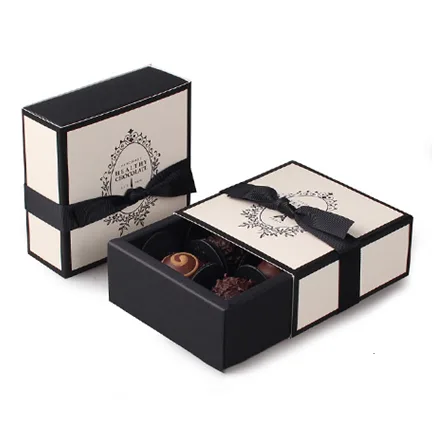
A blank sample (sometimes called a white mock-up) is a physical box made from the dieline with no artwork. You feel the size in your hand, test the closure, and confirm the product fits. Ecopaperbox offers a free blank mock-up on request.
This step catches the expensive mistakes: a lid that binds, a drawer that rattles, a rigid box that ships assembled when you needed it flat. Fixing those after 500 printed units means reprinting the whole run. A blank sample turns a costly mistake into a free do-over.
Honest limit: a blank sample verifies structure, not color. If your brand depends on an exact Pantone match, you will want the next step. For subscription or repeat-order brands, the blank sample also works as the approval gate between seasons.
Two box types, two sampling notes
A folding carton (SBS white card or kraft) ships flat and samples quickly — the dieline is the main thing to confirm. A rigid box (greyboard of 1000–1500 gsm mounted with 157 gsm art paper) ships assembled, while the collapsible magnetic version is the only rigid type that folds flat. Sample the assembled version if freight to you is part of the test.
A Printed Pre-Production Sample: When It Is Worth It
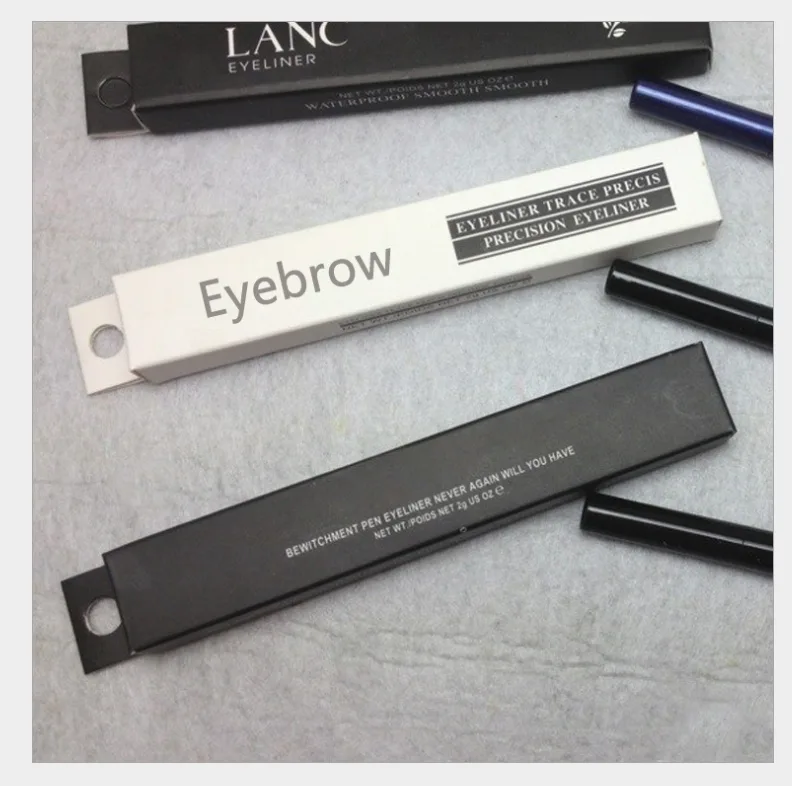
A printed sample is the real thing — your artwork, your board, your finish — produced once before the full run. It is the only way to confirm color, lamination, foil, and registration together.
Expect this to cost real money (a few hundred dollars depending on structure and finishing) and add a few working days to your timeline. For a premium gift box where a color miss would hurt the launch, it pays for itself. For a plain kraft mailer, it usually does not — the blank sample plus your screen proof is enough.
The Math: How a Sample Avoids a Reprint
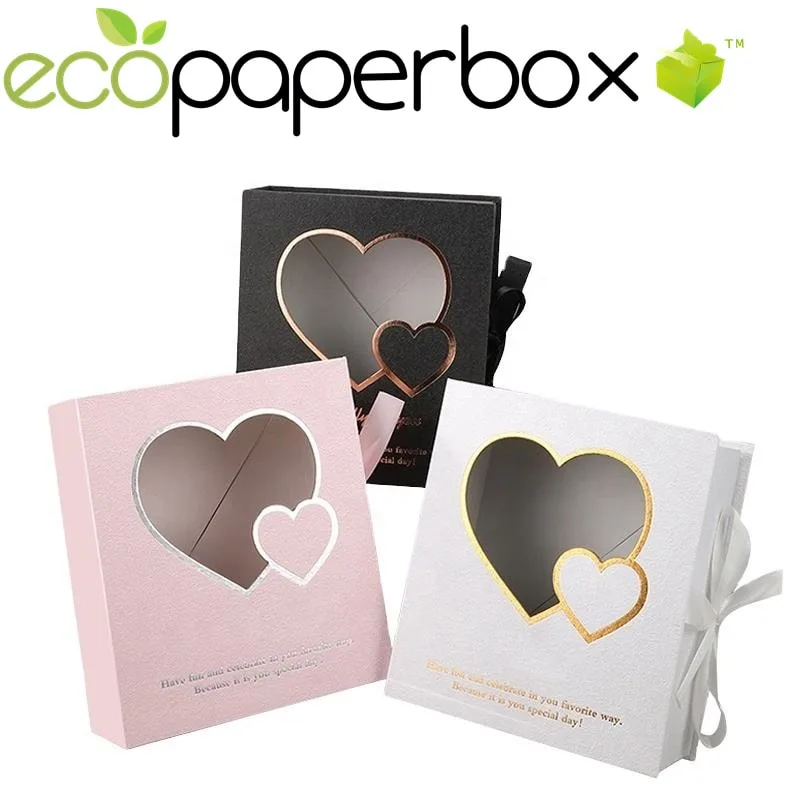
Here is the part buyers underestimate. A rigid box at our standard MOQ of 500 pieces is a meaningful spend. If the dieline was wrong and the lids do not close, you do not lose one box — you lose 500, plus freight both ways, plus the rush re-order.
Free dieline plus a free blank mock-up front-loads the cheap check. The factory in-house offset, lamination, die-cutting and hand assembly under one roof means the same team that samples you also produces you, so the dieline stays consistent from sample to production.
Get the Most From Your Sample
- Order the blank first. Always verify structure before paying for print.
- Keep the dieline on file. Reorders pull the same file, so your 500-piece rerun matches the first.
- Visit the factory. Clients are welcome to visit our Guangzhou factory, and many international clients tour the production lines and review samples on site before placing an order.
Ecopaperbox is a Guangzhou-based custom paper packaging factory with ISO 9001 quality management, High-Tech Enterprise certification (No. GR202544012474), and an SGS-audited facility. We can also source FSC-certified paper from FSC-certified mills on request, with chain-of-custody documentation available. Standard MOQ is 500 pieces across rigid, folding, kraft and corrugated boxes, with production in 7–12 working days after artwork approval.
Skeptic note: a free blank sample is generous, but it is not a free printed sample, and it will not confirm your color. Competitors like Packlane or Arka also sample — often faster for a tiny US run, sometimes pricier per unit. The point of sampling is the same everywhere: spend a little to avoid losing a lot. For a closer look at what a quote should itemize, read our piece on how to read a packaging quote.