
Choosing a box for chocolate is less about looking pretty and more about surviving the trip from your shelf to a customer's hands. Chocolate cracks under pressure, picks up stray odors, and softens in heat, so the structure you choose does real protective work rather than just decoration. This guide covers the main box types we build for chocolate and confectionery brands, what each is actually made of, and where the trade-offs sit.
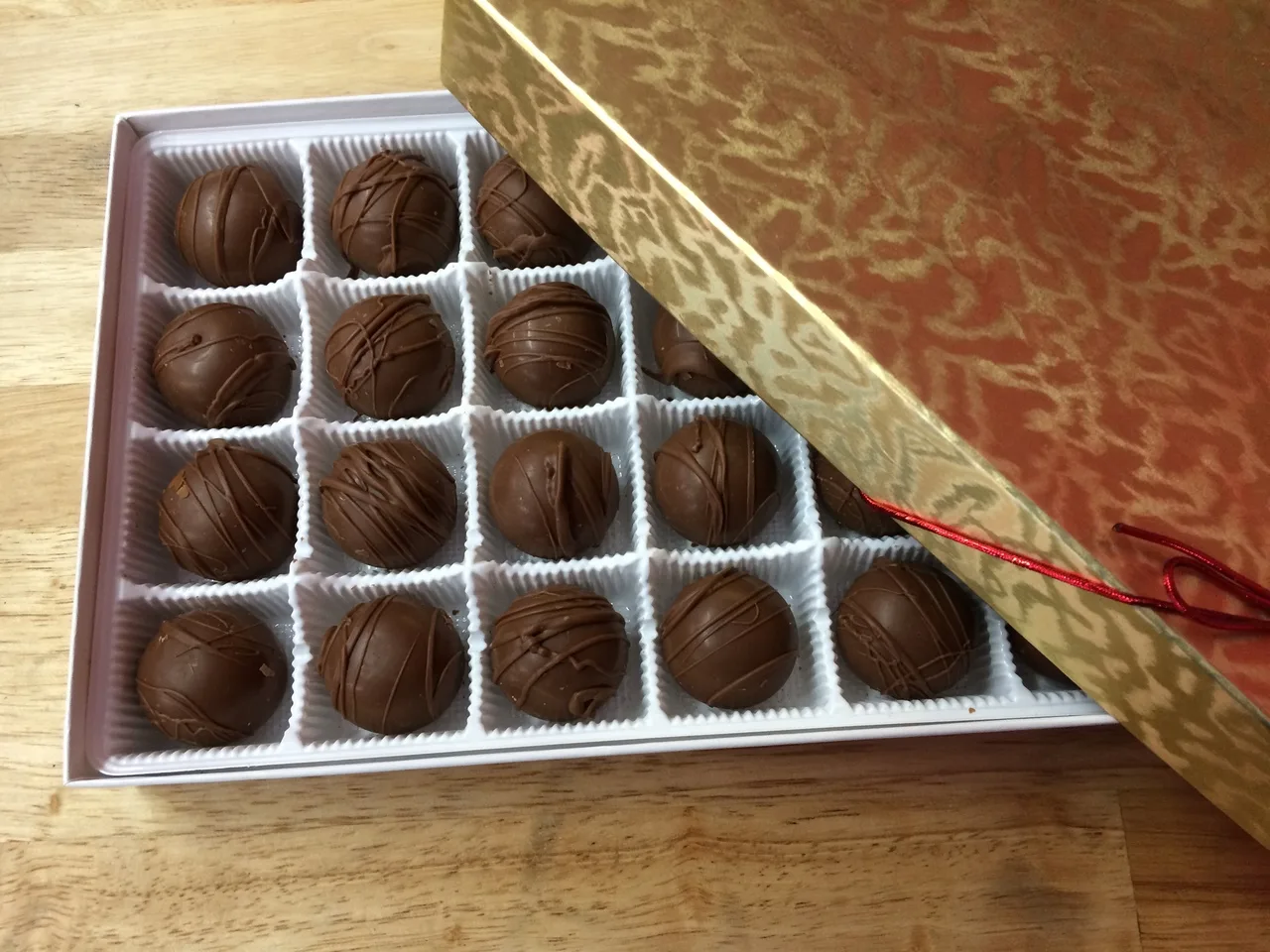
Premium Build: Rigid and Collapsible Magnetic
For a high-end chocolate selection, the box itself is part of the gift. A rigid box starts with greyboard — a dense paperboard in the 1000 to 1500 gsm range — wrapped in 157 gsm C2S art paper or a specialty paper. That combination gives the weight and resistance you feel when you pick it up.
A standard rigid box ships assembled, which is great for presentation but means you pay freight on a box that is already open. The collapsible magnetic box is the one rigid type built to fold flat: same greyboard and art-paper construction with hidden magnets, so it still reads as premium yet packs down for shipping. If you sell online, that flat-ship option usually pays for itself in freight.
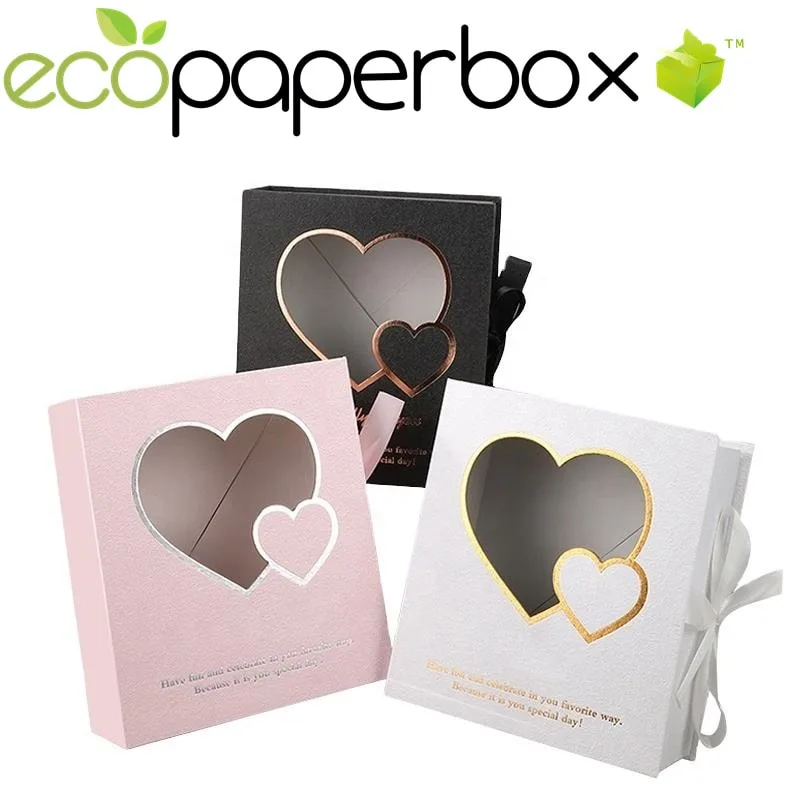
The Drawer Box, a Quiet Luxury Favorite
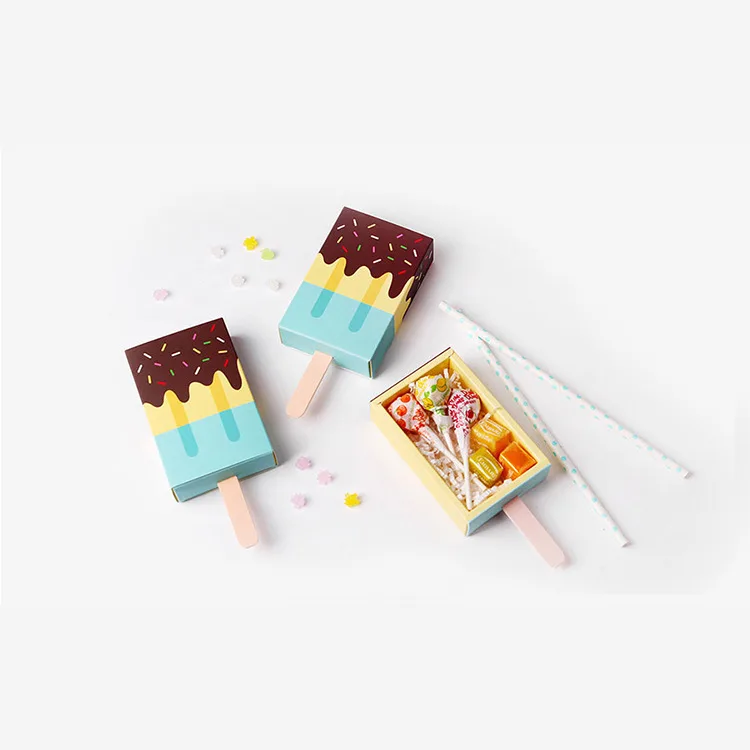
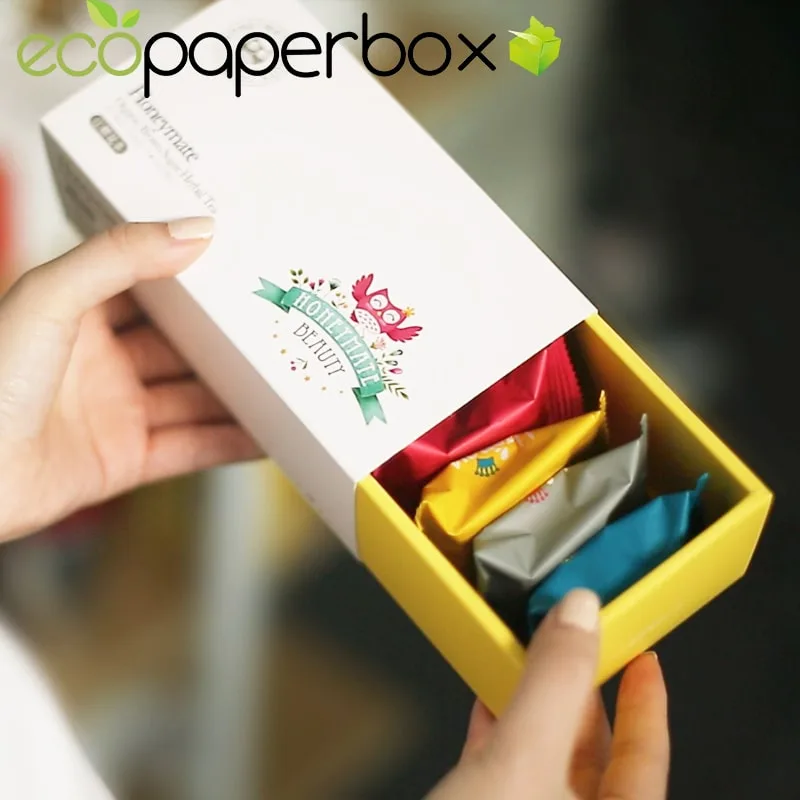
A drawer box — a sliding tray inside a sleeve — is a common choice for pralines and truffle assortments. The pull-out motion feels deliberate and gives the contents a moment of reveal. It is usually built as a rigid structure (greyboard plus art paper), though small-format versions can use heavier folding board.
The trade-off is interior space: the sleeve walls eat into the footprint, so a drawer box is less efficient per square inch than a simple lid-and-base. For a gift range where the experience matters more than pack density, that is usually a fair swap.
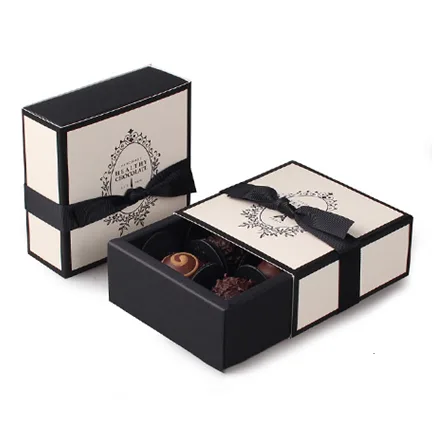
Everyday Chocolate: SBS Folding Cartons
For bars, bonbons sold in volume, or promotional packs, a folding carton is the workhorse. It is printed on SBS white card or kraft in the 250 to 350 gsm range and ships flat, then folds up at your end. Because it lies flat, a thousand of them take a fraction of the warehouse space and freight of a thousand rigid boxes.
The honest limit: a folding carton protects against scuffing and light, not against heavy stacking pressure. For delicate filled chocolates, pair it with an insert or keep the outer shipping carton rigid enough to bear the load.
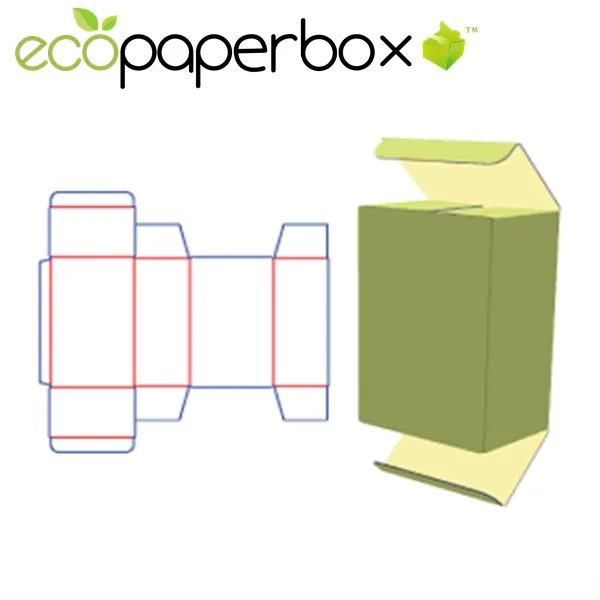
Candy and Confectionery: Small Folding Formats
Hard candies, toffees, and small confectionery items rarely need a rigid box. A small folding carton or a lightweight drawer-style folding box in SBS or kraft is enough to brand the product and keep pieces together. These formats are cheap to tool and easy to right-size, which matters when you run several SKUs.
If the candy is oily or strongly flavored, ask for low-migration inks and a liner or inner bag — paper alone will not stop grease or scent transfer over months on a shelf.
Finishes That Sell: Foil, Emboss, Soft-Touch
The print finish is where chocolate packaging earns its shelf price. Foil stamping in gold or silver reads as premium on dark rigid boxes; blind emboss (no ink, just a raised impression) is subtler and ages well. Soft-touch lamination adds a velvet feel that customers literally notice with their hands.
Two honest caveats. First, restraint beats coverage — a full-foil wrap can look dated rather than luxurious. Second, soft-touch and gloss lamination make a box slightly harder to recycle, because the film layer is harder to separate from the paper. For a mono-material, easiest-to-recycle box, choose uncoated or matte-paper stocks instead.
So which box fits? A quick filter:
| Structure | Best for | Ships | Feel |
|---|---|---|---|
| Rigid (greyboard + 157 gsm C2S) | Premium assortments, gifting | Assembled | Heavy, luxurious |
| Collapsible magnetic | Premium, online shipping | Folds flat | Premium, freight-light |
| Drawer (rigid) | Pralines, reveal moment | Assembled | Deliberate, gift-like |
| SBS or kraft folding | Bars, volume bonbons | Flat | Light, practical |
If you only need a few dozen boxes tomorrow, a print-on-demand service such as Packlane or Arka in the US, or Noissue for stickers and mailers, will get you there faster with no minimum — at a higher per-unit cost and a narrower range of rigid structures. A Guangzhou factory like ours wins on unit price and structural freedom once you are past the prototype stage and can plan a 7 to 12 day production window.
At Ecopaperbox we are a Guangzhou factory with in-house offset printing, lamination, die-cutting, and hand assembly under one roof. That lets us hold color consistent across a 500-piece test run and a later 5,000-piece reorder, and it keeps both small and large runs on factory-direct pricing. Many international clients tour our production lines and review samples on site before ordering — you are welcome to visit.
Our standard minimum is 500 pieces across box types: rigid, folding, kraft, and corrugated alike. Industry norm is still 1000 to 3000, so 500 stays low enough to test a seasonal design without tying up cash, while still being a real production run rather than a print-on-demand sample. Typical lead time is 7 to 12 working days after artwork approval.
On credentials: our Guangzhou workshop holds ISO 9001 quality management certification (certificate copy on request), High-Tech Enterprise certification (certificate no. GR202544012474, valid from 2025-12-19 for three years), and is SGS-audited (depth-audit report on file). If a project calls for responsibly sourced paper, we can supply FSC-certified paper from FSC-certified mills with chain-of-custody documentation available on request.
For the structural basics, see our guide on rigid vs folding boxes, or explore our custom luxury gift boxes.