
Why a Packaging Quote Is More Than a Unit Price
When a factory sends a packaging quote, the number that jumps out is usually "price per box." It is also the least useful number on its own. A $0.80 box and a $1.10 box can land at your door for the same total if the cheaper quote hides freight, tooling, or a thinner board that fails in transit. Reading a quote means reading the line items, not the headline.
The Board Line: Greyboard, SBS, or Corrugated
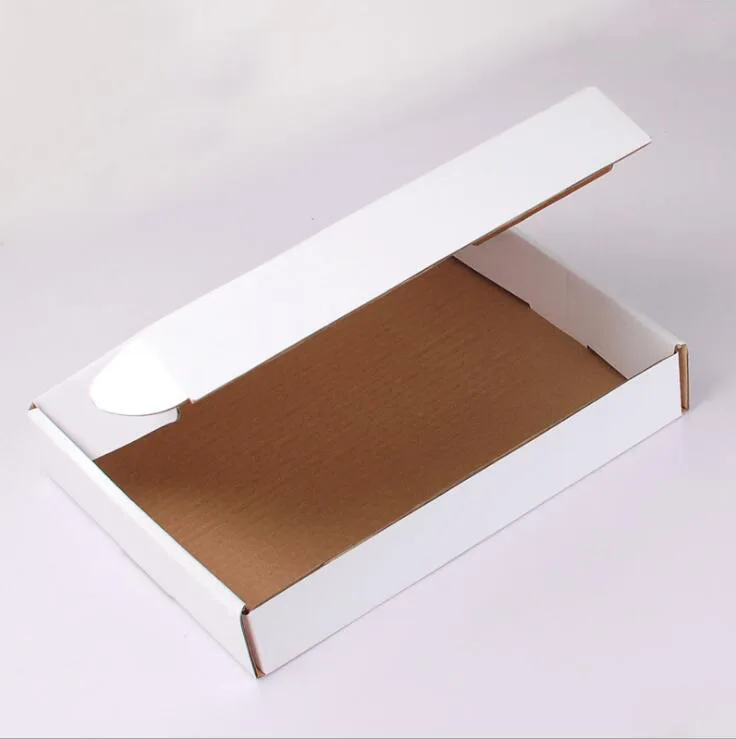
The single biggest cost and quality driver is the board. A rigid gift box is built from greyboard (typically 1000-1500 gsm) mounted with 157 gsm C2S art paper or a specialty paper - and it ships assembled. A folding carton uses SBS white card, kraft, or lightweight corrugated and ships flat. A shipping mailer is corrugated board (E/B/F flute) wrapped with white card, kraft, or specialty paper.
If a quote just says "cardboard box" without naming the board weight, that is a gap, not a simplification. Ask for the exact spec: greyboard gsm for rigid, SBS gsm for folding, flute type for corrugated. The same external dimensions can hide a 300 gsm SBS versus a 350 gsm SBS, and the difference shows up in both price and how the box feels in a customer's hands.
Print and Finishing: Where Quotes Quietly Diverge
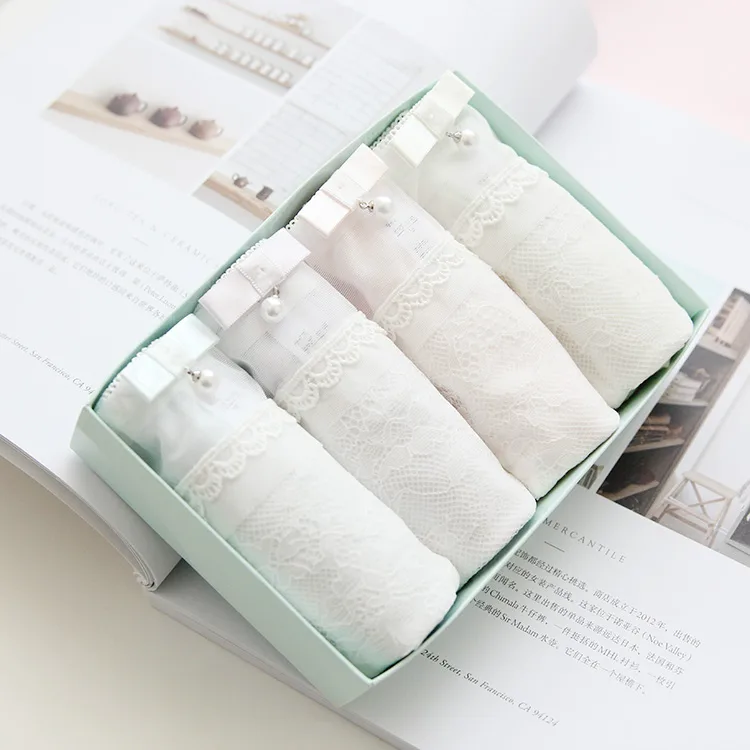
Two quotes at the same board price can still look nothing alike because of print and finishing. Offset printing (CMYK, or Pantone spot for brand-critical colors) is the baseline. Finishing - foil stamping, embossing, soft-touch lamination, spot UV - is where brands get the premium feel, and where costs climb.
A quote should state the print method, the number of colors, and each finishing step separately. If "foil" appears as a flat fee with no mention of which panels or how many square centimeters, expect either a surprise or a corner cut. Honest factories itemize finishing per process.
Dieline and Sample: The Two Lines Buyers Skip
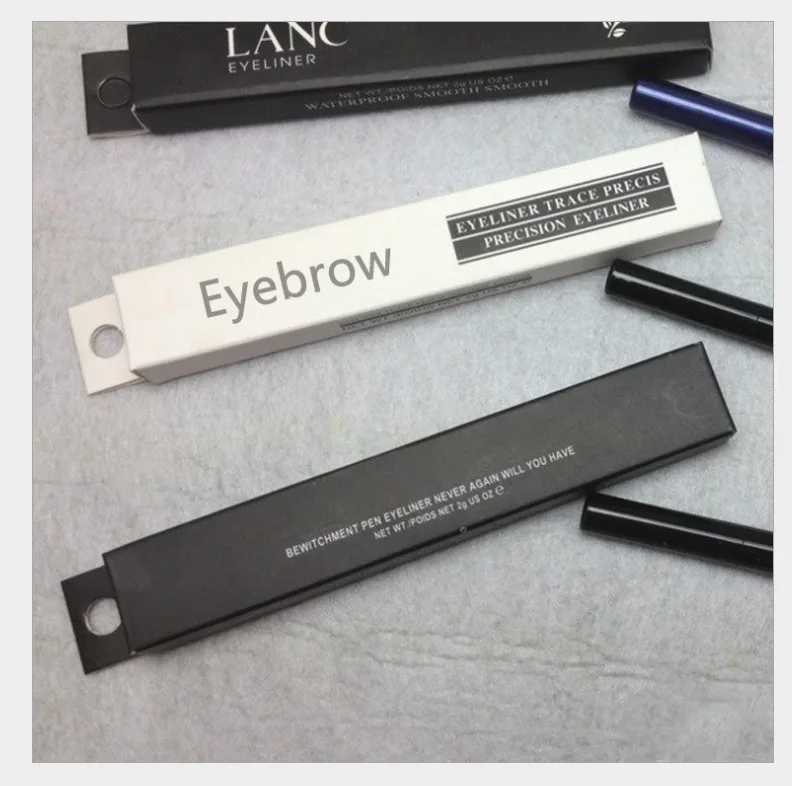
The dieline is the structural template - the cut, score, and fold map of your box. A free dieline means the factory absorbs the tooling design; a charged one passes it to you. Either is fine if it is stated. What matters is that you own or can reuse the dieline on reorders so you are not paying for it twice.
The sample line is the other one buyers miss. A free blank (unprinted) mock-up lets you check structure and fit before committing to print - it de-risks the whole order. A printed pre-production sample costs more but confirms color and finish. A quote that omits the sample policy leaves you guessing.
Freight Terms: DDP vs EXW Is the Big One
The most expensive line on a packaging quote is often the one labeled "freight," and the trap is the incoterm. EXW (ex-works) looks cheap because it covers only the boxes at the factory gate - you inherit freight, insurance, customs clearance, and duty. DDP (delivered duty paid) is all-in to your address, including duty.
For a small brand, an EXW "bargain" can turn into a logistics project you did not sign up for. A DDP quote is not always lower in headline, but it is the number you actually pay. Always compare quotes on the same incoterm, or you are comparing apples to pallets.
Red Flags: How to Spot a Surprise Fee
A clean quote lists every component. Watch for these gaps:
- No board spec. "Cardboard" without gsm or flute type means the factory can substitute down.
- Freight shown as EXW only. The real landed cost is hidden behind a low headline.
- Finishing bundled as one fee. You cannot tell what you are paying for or whether it will be applied.
- Dieline charged per reorder. You should pay structural tooling once, not every time.
- No sample policy. If you cannot get a blank mock-up, you are betting on the structure sight-unseen.
A quick reference of what a complete quote should show:
| Line item | What to verify |
|---|---|
| Board | Greyboard gsm / SBS gsm / flute type |
| CMYK or Pantone, color count | |
| Finishing | Each process itemized |
| Dieline | Free or one-time, reusable |
| Sample | Blank mock-up and/or printed sample |
| Freight | DDP vs EXW stated clearly |
What a Transparent Factory Quote Looks Like
Ecopaperbox is a Guangzhou-based custom paper packaging factory with in-house offset printing, lamination, die-cutting, and hand assembly. A transparent quote from a direct factory lists board spec, print method, each finishing step, a free dieline, a free blank sample option, and DDP pricing so the number you see is the number you pay.
Because the workshop runs ISO 9001 quality management, holds High-Tech Enterprise certification (certificate no. GR202544012474, valid from 2025-12-19 for three years), and is SGS-audited, the spec on the quote is backed by a real production system rather than a reseller's markup. FSC-certified paper can be sourced from FSC-certified mills with chain-of-custody documentation available on request.
Standard MOQ is 100 pieces across most box types - far below the 1000-3000+ that used to be the industry norm - so you can validate a design at low cash risk before scaling. Lead time is typically 7-12 working days after artwork approval.
Reading a quote is a skill, but the shortcut is simple: make every supplier quote on the same spec and the same incoterm, then compare total landed cost. When you do, a direct Guangzhou factory's quote tends to look exactly as competitive as it should. See our DDP vs EXW breakdown or explore customizable packaging options to start a like-for-like quote.