
When you price custom packaging, the factory quote is only half the total cost. The other half is how those boxes travel from our Guangzhou workshop to your warehouse or customers. Small brands often fixate on the per-box price and forget that freight can swing the landed cost by a wide margin. This guide walks through the three main ways custom boxes leave China - sea, air, and express - and how to pick the one that fits a 100 to 500-piece run.
Flat-Pack First: The Freight Decision Starts With the Box
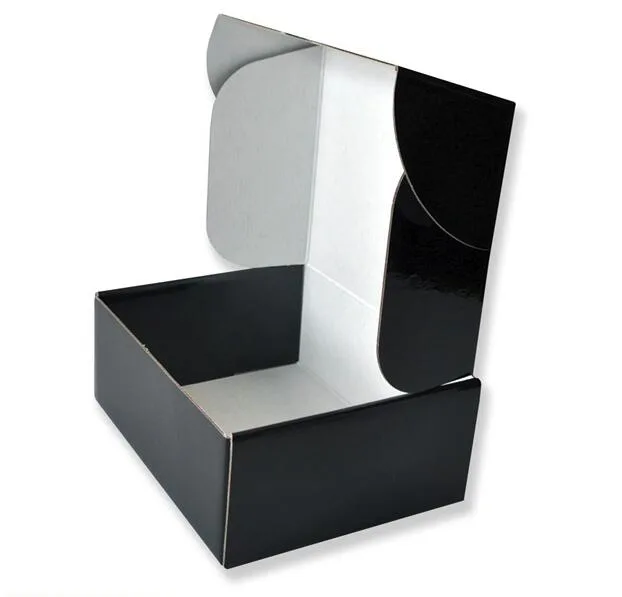
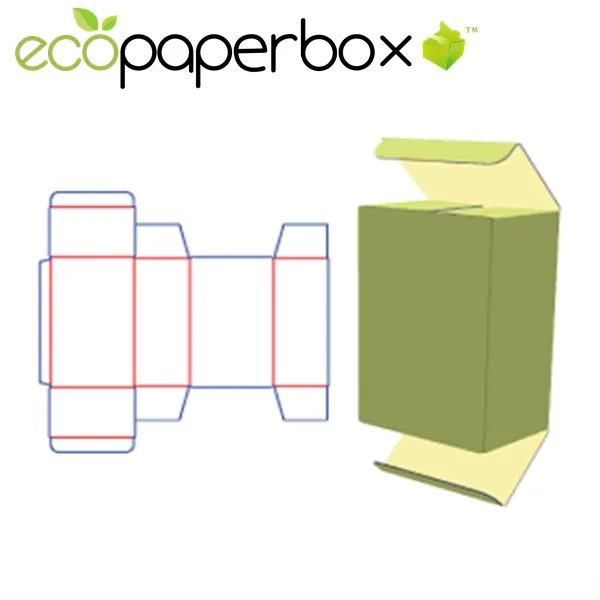
The single biggest lever on shipping cost is whether your boxes ship flat or assembled. Folding cartons (SBS or kraft), corrugated mailers, and collapsible magnetic boxes all pack down to a fraction of their finished size, so a pallet holds thousands. A standard rigid gift box, by contrast, is built around greyboard (1,000-1,500 gsm) wrapped with art paper and ships fully assembled - it occupies its full volume from day one. Among rigid types, only the collapsible magnetic box folds flat. Right-sizing the box to the product also helps: a snug carton leaves less air to ship and pairs naturally with flat-pack structures. If you are shipping overseas, choosing a flat-pack structure can cut freight more than any carrier negotiation.
Sea Freight: Lowest Cost Per Box, Longest Wait
Sea freight is the most economical way to move boxes in large volume. For a consolidated (LCL) shipment, transit from South China to a US or European port typically runs 30 to 45 days, plus customs clearance and last-mile delivery. The per-box cost can be a fraction of air. The trade-off is time and minimums: LCL still works well once you have enough cartons to fill a meaningful share of a pallet or crate. Sea makes sense for reorders of several thousand pieces where a six-week lead time is acceptable.
Air and Express: Pay for Speed on Small Runs
For 100 to 500 pieces, air and international express couriers (such as DHL or FedEx) are often the pragmatic choice. Express moves door to door in roughly 3 to 7 days and has low minimums, so a test run or a seasonal top-up does not sit in a container for a month. You pay a clear premium per kilogram versus sea, but on a small batch the absolute dollar difference is usually manageable - and it keeps your cash from being tied up in transit. Many marketplace suppliers resell the same Guangzhou boxes and then add air freight on top; ordering factory-direct avoids that layered markup. Some teams split a launch so express covers the first sales window while a later sea shipment covers steady reorder - useful, but plan the hand-off so stock does not gap.
Matching the Mode to Your Order Size
A simple way to decide:
| Order size | Recommended mode | Typical transit | When it fits |
|---|---|---|---|
| 100-500 pcs | Express / air | 3-7 days | Test runs, launches, urgent top-ups |
| 1,000-3,000 pcs | Air or sea (LCL) | 7-45 days | Reorders where you can plan ahead |
| 5,000+ pcs | Sea (LCL/FCL) | 30-45+ days | Stable SKUs, lowest landed cost |
As a rule, the lower your order value per box, the more a slow, economical mode helps; the more premium the box, the more you may want speed to protect a launch date. Flat-pack structures keep every tier lighter.
DDP vs EXW: Who Arranges Freight Changes the Math
Incoterms decide who books and pays for freight. EXW (ex works) means you collect the boxes at our factory gate and arrange everything after - fine if you have your own freight forwarder, but it pushes customs, duties, and delivery risk onto you. DDP (delivered duty paid) means we handle freight and import duties and deliver to your address, so the quote you see is the price you pay. For small brands without a logistics team, DDP removes surprise fees. As a Guangzhou factory with in-house offset printing, lamination, die-cutting, and hand assembly under one roof, we can quote DDP on both small and large runs. With DDP we also handle the customs paperwork, which matters if your team has never cleared a shipment before. For the cost trade-off, see our rigid versus folding carton cost guide.
Mistakes That Inflate Small-Batch Shipping
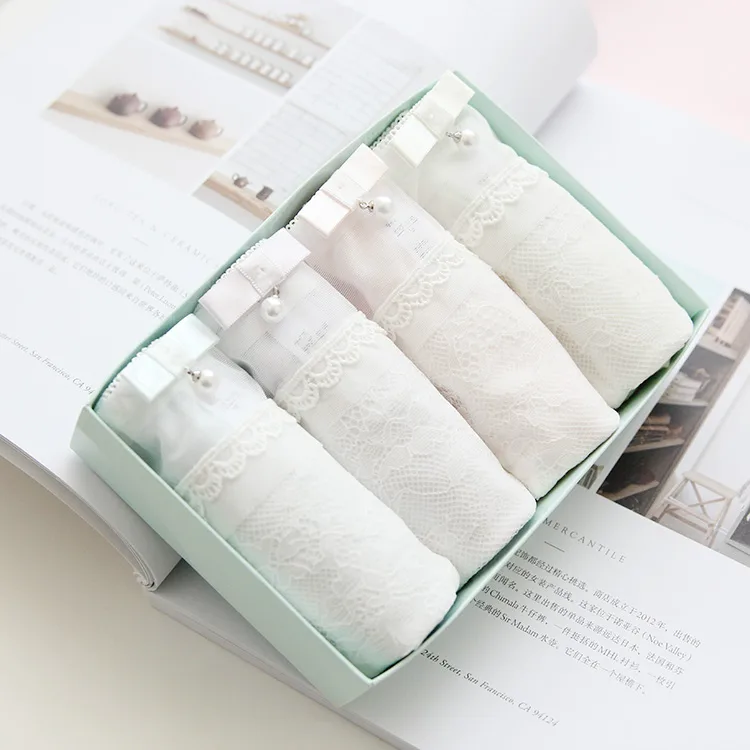
The most common error is ordering assembled rigid boxes for a sea shipment and getting a freight bill larger than the boxes themselves. Another is underestimating transit: a 45-day sea journey plus peak-season congestion can miss a product launch entirely. A third is mixing modes without planning - splitting a launch across air and sea sounds flexible but doubles the coordination. Our advice: pick one mode per shipment, lean on flat-pack structures, and build the 7-12 working day production window (after artwork approval) into your calendar before you book freight.
We are a Guangzhou-based custom paper packaging manufacturer, not a trading company. Clients are welcome to visit our Guangzhou factory, and many international clients tour the production lines and review samples on site before placing an order. Our workshop holds ISO 9001 quality certification, is SGS-audited, and carries High-Tech Enterprise status (certificate no. GR202544012474). Standard MOQ is 500 pieces across rigid, folding, kraft, and corrugated boxes alike - low enough to test a market without committing to thousands.