
When a small brand prices its packaging, the number on the quote is rarely the number that matters. A rigid box might look only slightly more expensive per unit than a folding carton — until you multiply by freight, storage, and the volume you actually ship. This guide breaks the rigid-vs-folding decision down to the dollars and centimeters that actually move the needle, with a simple rule you can apply to your own product.
The real cost isn't the box — it's the freight
Most first-time buyers compare the per-unit price and stop there. But a box that ships flat in a thin stack takes a fraction of the space of the same box shipped assembled. On a sea or air shipment, dimensional weight — not actual weight — often sets the bill. A rigid gift box that arrives already built can use three to five times the carton volume of a folding carton holding the same product.
The honest framing: the box-cost gap between rigid and folding is often smaller than the freight gap once you scale. At Ecopaperbox we make both, so we have no reason to push one — the math should decide.
What a rigid box actually costs you
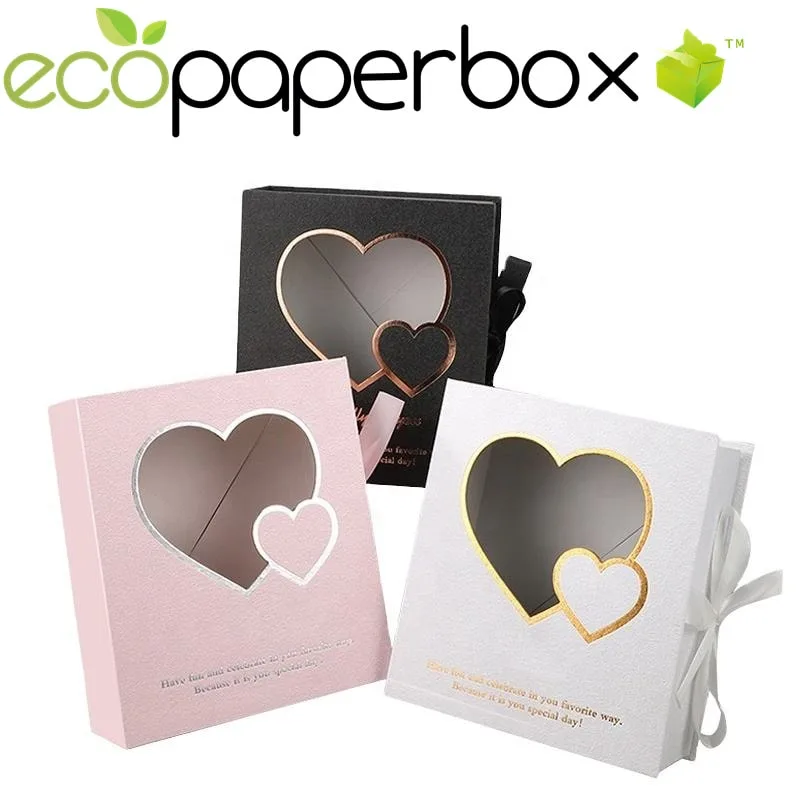
A true rigid box is built from greyboard (typically 1000–1500 gsm) wrapped with 157 gsm C2S art paper or a specialty paper, then hand-assembled. That construction is why it feels solid and why it ships assembled, not flat. The cost stack looks like this:
- Materials: greyboard plus wrap plus adhesive — more raw weight than a folding carton.
- Labor: rigid boxes are glued and wrapped by hand, so unit labor is higher.
- Freight: assembled volume is the big one; you pay to move air inside the box.
- Storage: assembled boxes eat warehouse space before they ever hold your product.
For a low-margin item, that stack can swallow the margin the premium unboxing was supposed to create.
Why collapsible magnetic changes the math

There is one rigid-style exception worth knowing: the collapsible magnetic box. It uses the same greyboard-and-art-paper build, but with hidden magnets and a fold-flat hinge so it ships flat like a folding carton and pops into shape by hand. You keep the premium rigid look while cutting the freight and storage penalty dramatically.
The tradeoff is real: a collapsible magnetic box still costs more to produce than a plain folding carton, and the buyer (or your team) does the final assembly. But for brands that want the rigid impression without the assembled-shipping tax, it is the smart middle ground.
Folding cartons: cheap to make, cheap to ship
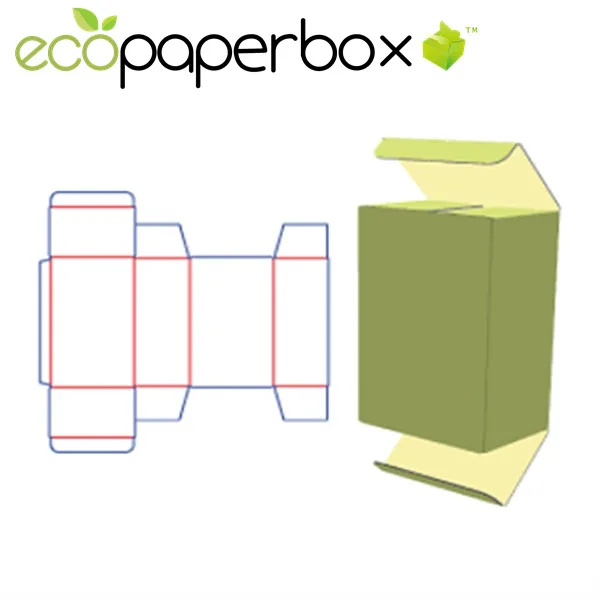
A folding carton is printed SBS white card, kraft, or lightweight corrugated, then die-cut and shipped flat. It is the workhorse of packaging for good reason:
- Low unit cost: no hand wrapping, just press, cut, fold.
- Low freight: flat stacks multiply how many fit per carton.
- Fast to store: a pallet of flat cartons is a pallet of future boxes, not a pallet of empty air.
For everyday items, subscription boxes, and anything where the product — not the wrapper — carries the brand, folding cartons are hard to beat on cost.
A simple decision rule

Use this table as a starting point. None of it is absolute, but it removes guesswork:
| If your product is… | Usually choose | Why |
|---|---|---|
| Low price, high volume, ships in a mailer | Folding carton | Freight and unit cost dominate; unboxing is secondary |
| Premium, giftable, margin supports it | Rigid or collapsible magnetic | The unboxing is part of the product value |
| Premium but freight-sensitive | Collapsible magnetic | Rigid look, flat-ship savings |
| Light, protective, budget launch at 500 pcs | Folding carton | Lowest cash risk to test the market |
Notice the pattern: rigid earns its place when the perceived value of the unboxing is high enough to offset the freight. Otherwise, folding wins.
When the premium unboxing is genuinely worth it
Some products live or die by first impression. A serum, a piece of jewelry, a limited holiday edition — these justify a rigid or collapsible magnetic box because the opening moment is part of what the customer paid for. In those cases the freight premium is a marketing cost, not waste.
Be skeptical of your own instinct, though. A common mistake is upgrading the box to feel "legitimate" on a product that customers mostly experience through the product itself. Test first: order 100 folding cartons, ship to real customers, and watch whether anyone mentions the packaging. If they do — positively — that is your signal to invest in rigid.
Either way, the entry point is the same. Ecopaperbox is a Guangzhou factory with in-house offset printing, lamination, die-cutting, and hand assembly, which keeps overhead low enough that a 500-piece run is priced competitively whether you choose rigid or folding. Both start at MOQ of 500, and typical lead time is 7–12 working days after artwork approval. Our workshop holds ISO 9001 and is SGS-audited, with High-Tech Enterprise certification (no. GR202544012474) — useful context when you need consistent color and structure across reorders.
For the deeper materials comparison, see our guide on rigid vs folding boxes: which should you choose, and if flat-ship rigidity is your goal, our write-up on collapsible magnetic boxes covers the build in detail.