
For years, the phrase "custom packaging" came with an unspoken minimum: order at least 1,000, often 3,000 boxes, or the factory wouldn't even pick up the phone. That wall has quietly come down. At Ecopaperbox, a Guangzhou-based custom paper packaging manufacturer with in-house printing and finishing, our standard minimum order quantity is 100 pieces across most box types. This post explains why that is now realistic, what it actually costs you (and saves you), and when a small run is — or isn't — the right move.
What "MOQ" Really Means — and Why It Existed
MOQ stands for minimum order quantity. In packaging, it exists for one practical reason: tooling. Every box needs a dieline (the cutting and folding template) and, for printed boxes, printing plates. Those are fixed costs that don't change whether you make 100 boxes or 10,000. Spread across a tiny run, that fixed cost made each box absurdly expensive — so factories pushed minimums up to make the math work.
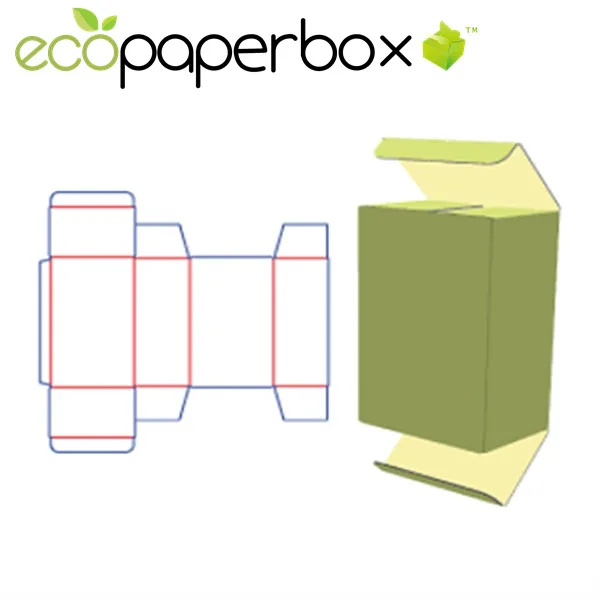
The skeptic's question is fair: if 100 was impossible before, what changed? Mostly two things — lower-overhead manufacturing and a better small-batch workflow. A factory that owns its presses and doesn't carry a thick sales-markup layer can amortize tooling differently and still keep a 100-piece order profitable. At Ecopaperbox we also keep that fixed cost off your plate by offering the dieline free of charge on most projects, which removes the single biggest reason small runs used to be uneconomic.
The Old Normal: 1,000 to 3,000 Pieces
Here is the contrast buyers used to face:
| Then (typical pre-2020) | Now (factory-direct) |
|---|---|
| MOQ 1,000–3,000 pcs | MOQ 100 pcs |
| Weeks of cash locked up before you know if the box sells | Test 100, learn, reorder only what works |
| One shot at the design — too costly to iterate | Cheap to refine on run two and three |
| Often a trader reselling a factory's run at markup | Buy from the Guangzhou workshop directly (DDP available) |
None of this means big runs are bad. They are still the cheapest per unit. The point is that small runs are no longer punished.
Why 100 Pieces Is Now Realistic at a Guangzhou Factory
Ecopaperbox is a manufacturer, not a sourcing agent. We run offset printing (Roland, Heidelberg, Komori presses), lamination, die-cutting, and hand assembly in-house at our Guangzhou workshop. Because the production steps live under one roof, there is no middle layer padding the price, and we can economically slot a 100-piece order onto the same line that runs 5,000.
We also offer a free dieline and a free blank sample so you can verify structure before committing to print — which removes most of the risk that used to make low quantities scary for both sides. It helps to be honest about the trade, too: a 100-piece order will never match the per-unit price of a 5,000-piece order, because tooling is spread thinner. What you trade in unit price you gain in optionality — you are not sitting on 2,900 boxes you can't move if the design misses. For a brand still finding its footing, that flexibility is usually worth more than the few cents saved per box.
When a 100-Piece Run Makes Sense — and When It Doesn't
A 100-piece MOQ is a tool, not a religion. It shines when:
- Launching a new SKU — you want real boxes in customer hands before betting on 2,000.
- Seasonal or limited editions — holiday, event, or collab runs where 100 is plenty.
- Validating unboxing — test whether the structure, print, and feel convert before scaling.
It is the wrong fit when:
- You already sell steady volume — at 500+ pieces the unit price drops meaningfully, so staying at 100 costs you margin.
- The box is highly complex — unusual structures with heavy tooling may still carry a practical floor; we will tell you honestly.
The mistake we see most: founders order 100 of a box they will need 5,000 of within two months, then regret the higher unit cost. If your sales are already proven, start at 500 and save. Use 100 to learn, not to supply a proven seller.
What You Actually Get at 100 Pieces
Lower minimum doesn't mean lower spec. At 100 pieces you still get:
- Your logo and artwork printed via in-house offset, CMYK or Pantone spot.
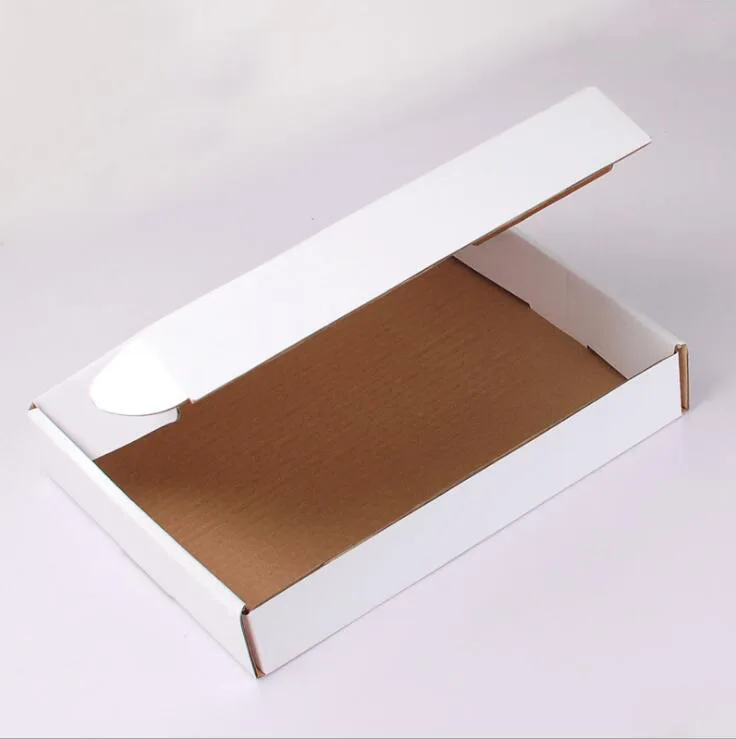
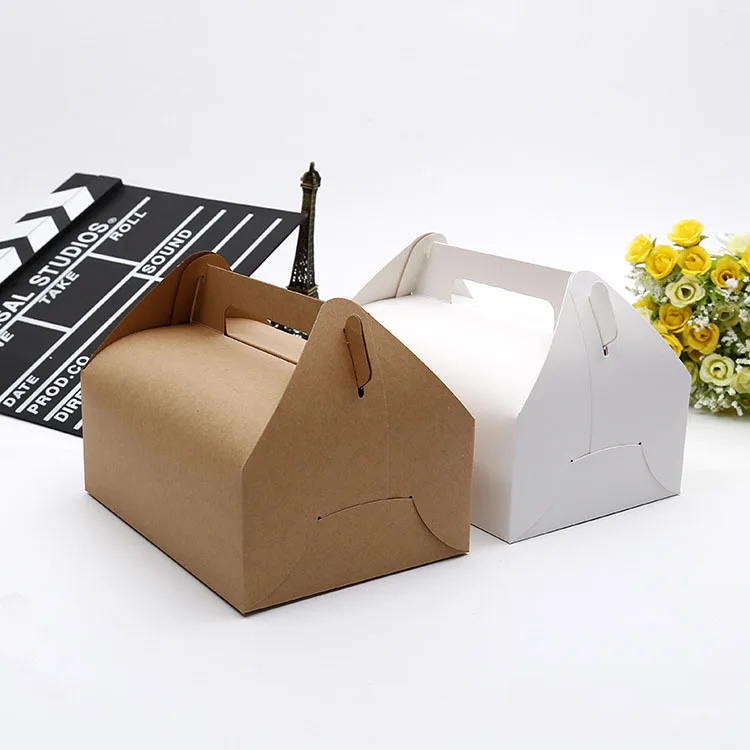
- Real material choices — rigid greyboard (1,000–1,500 gsm) wrapped in 157 gsm C2S or specialty paper for luxury; SBS white card or kraft folding cartons that ship flat; corrugated mailers for ecommerce.
- Factory-direct pricing and DDP options, with a typical lead time of 7–12 working days after artwork approval.
One honest note: a rigid (setup) box ships assembled and is heavier to freight than a folding or collapsible-magnetic box that folds flat. For small air-shipped runs, flat-ship styles can save real money on shipping. And because we keep your dieline on file, the 100 you approve today matches the 5,000 you reorder later — same structure, same print, no re-proving.
Make Your First 100 Count
If you are starting small, three moves get you further: (1) pick the simplest structure that still feels right — often a folding carton or collapsible magnetic box; (2) use our free blank sample to lock the size before print; (3) keep the dieline on file so reordering at 500 or 5,000 stays consistent. For a deeper look at structure tradeoffs, see our rigid vs folding guide, or explore our custom luxury gift boxes.