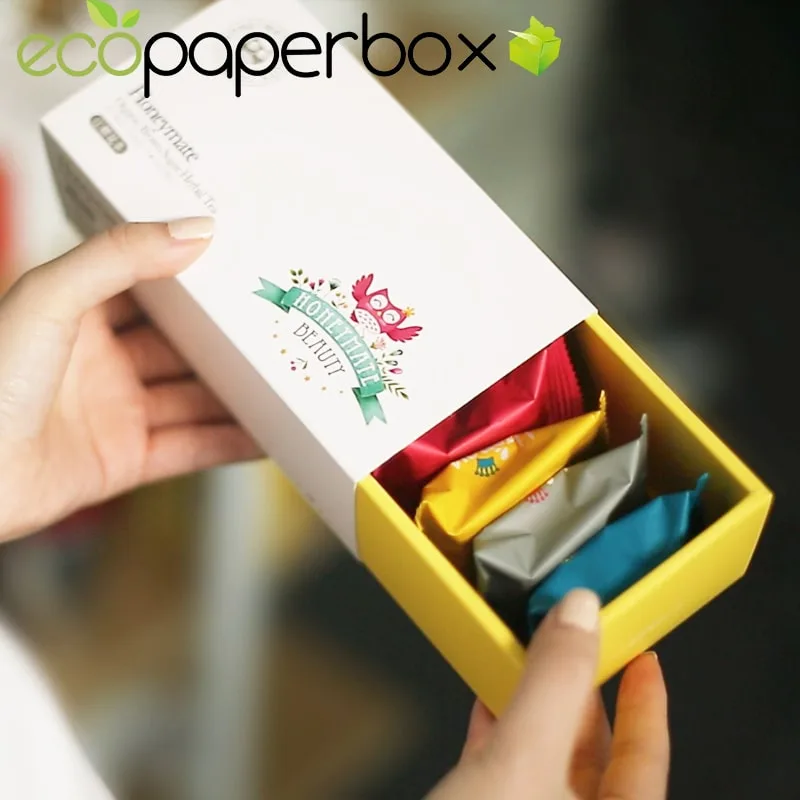
Corporate gifting is a strange corner of packaging. The item inside might be modest — a notebook, a box of chocolates, a branded flask — but the container it arrives in carries most of the message. A client who receives a crushed mailer reads one thing; the same client opening a well-made rigid box reads another. When you source branded gift packaging on behalf of a company, you are really buying a small piece of brand credibility, repeated once for every name on the list.
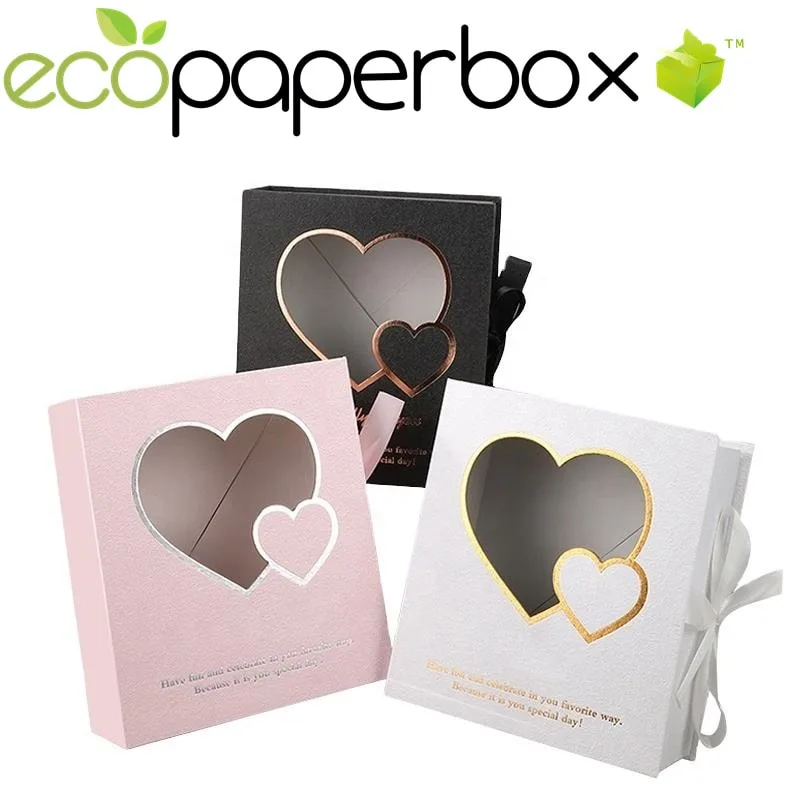
Why a corporate gift box is not a retail box
A retail carton is designed to sell to a stranger on a shelf. A corporate gift is handed from one person to another, usually on a fixed date: year-end thank-yous, employee onboarding, a conference, a product launch. The recipient did not choose it, and there is no shelf to compete on. That changes what the box has to do.
The job is relationship maintenance, not a point-of-sale decision. The logo needs to be visible but not shouty, the structure needs to survive a courier and still look composed when opened, and the landed cost per recipient has to be predictable because someone is dividing a budget by headcount. This is different from small celebratory favors for a wedding or a private event: those lean personal and sentimental. Corporate gifting is a B2B signal, and the restraint of the packaging is part of the signal.
Matching the box to the occasion
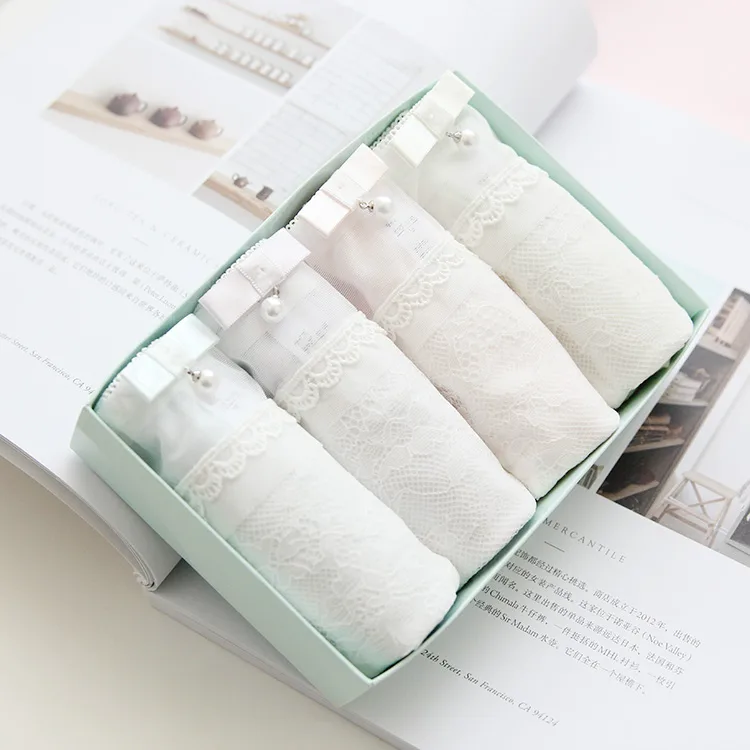
Most mistakes here are not about artwork. They are about choosing the wrong structure for how the gift travels and who receives it. A working map:
| Occasion | Structure | Material | Ships |
|---|---|---|---|
| Executive or top-tier client gift | Rigid gift box | Greyboard 1000-1500 gsm mounted with 157 gsm C2S art paper or specialty paper | Assembled |
| Premium gift going to many addresses | Collapsible magnetic box | Same greyboard and art paper, hidden magnets | Flat |
| Onboarding kit or conference handout | Folding carton or tray-and-sleeve | SBS white card or kraft, 250-350 gsm | Flat |
| High-volume promotional giveaway | Folding carton / straight tuck-end | SBS or kraft board | Flat |
One point worth being precise about: a collapsible magnetic box is the only rigid type that genuinely ships flat. It is still a real rigid box — greyboard with a paper wrap and hidden magnets — just engineered to fold down. A standard rigid box ships assembled, and it is wrong to describe it as white card or an SBS core. If a supplier quotes a "flat-ship rigid," ask which of these two they actually mean. Our earlier rigid versus folding cost breakdown goes deeper on the freight tradeoff.
Brand print and finishing do the heavy lifting
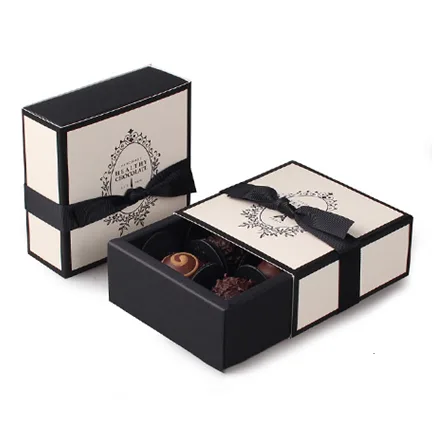
Because the structure is often simple, the print carries the brand. In-house offset printing keeps CMYK consistent from the first run to a reorder six months later, and a Pantone spot is worth specifying when a logo colour is non-negotiable. Restraint tends to age better than excess: a single foil hit or a blind emboss on a dark rigid lid reads as considered, while full-coverage foil can look dated quickly. Inside print is an underused tool for corporate gifts — the recipient opens the lid, and the message appears where they were not expecting it.
There are honest limits. Soft-touch lamination shows fingerprints on dark colours, and heavy film finishes make a box harder to recycle. Our notes on foil, emboss and spot UV cover where each finish earns its cost. On credentials, we hold ISO 9001 certification for our Guangzhou workshop (certificate copy available on request), High-Tech Enterprise certification — a Chinese designation, certificate no. GR202544012474, valid from 19 December 2025 for three years — and operate an SGS-audited facility. Where a project calls for FSC-certified paper, we can source it from FSC-certified mills with chain-of-custody documentation available on request.
Volume promos and multi-item kits
Not every corporate gift needs the heft of a rigid box. For a 300-person conference or a mail-out to a whole customer base, folding cartons and straight tuck-end boxes make more sense: they ship flat, weigh less, and cut freight dramatically because you are not paying to move air. A tray-and-sleeve construction is a useful middle ground when the kit has two or three items — a card tray holds everything in place, and the sleeve carries the full brand print.
Right-size the box to the contents. Extra internal volume is one of the most common and most avoidable costs in promotional packaging, because carriers charge on dimensional weight. A common buyer mistake is ordering a generic "gift box" size before the product samples exist, then discovering the insert has to be redesigned around dead space.
MOQ 500, lead time, and the factory-direct advantage
Our standard minimum is 500 pieces across every box type — rigid, folding, kraft and corrugated alike. That is lower than the 1000-3000 pieces many suppliers still ask for, so it leaves room to test a design on a real recipient list without tying up much cash. Production runs 7-12 working days after artwork approval; finishing and peak season can stretch that, so build in a buffer before a fixed event date.
Buying direct from a Guangzhou factory means the offset printing, lamination, die-cutting and hand assembly all happen under one roof, which is what keeps colour and quality consistent across reorders. Many listings on the large marketplaces are traders reselling the same Guangzhou boxes at a markup, not factories. Clients are welcome to visit our Guangzhou factory, and many international clients tour the production lines and review samples on site before placing an order. That is the core advantage of in-house production under one roof.
Fair alternatives exist and are worth naming. Arka and Packlane are quick for small, straightforward US runs; Noissue is easy for stickers and mailers with an eco-led brand story; a local print-on-demand shop is faster still if you need boxes this week. The tradeoff is unit cost and structural range at volume, plus the fact that an overseas factory needs lead time and freight planning. If your deadline is four days, a local shop is the right answer. If you are planning a 500-piece client gift for a known date, a factory-direct quote is usually worth comparing.