
Most first-time packaging buyers ask the wrong question first. They fixate on unit price and assume a bigger order is always smarter, then they sit on 900 boxes they cannot use because the size was off by two millimeters or the unboxing fell flat with real customers. At Ecopaperbox, a Guangzhou-based custom paper packaging factory with in-house offset printing, lamination, die-cutting, and hand assembly, our standard minimum is 100 pieces across most box types. That floor exists for a reason: it lets you test the real thing before committing cash. Because the printing, finishing, and QC all happen under our own roof, low overhead lets us run a 100-piece batch as a real production job rather than a loss-leader teaser. This guide gives you a practical test to decide whether your first run should be 100 or 1000.
The Real Cost of Guessing Your First Order Wrong
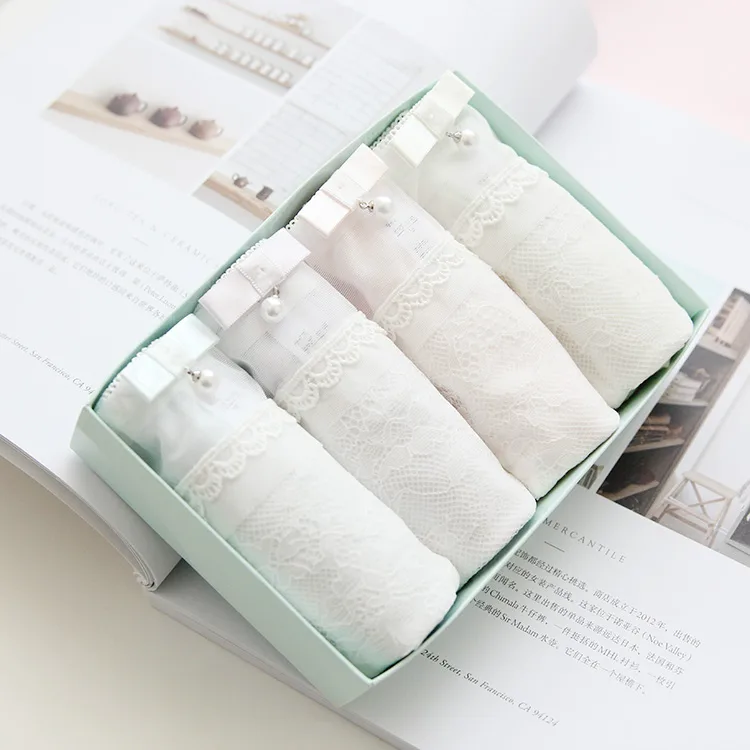
An over-order does not just tie up money. It locks you into a structure, a print, and a size that real feedback might overturn. A rigid gift box ordered at 1000 pieces and shipped assembled also eats freight you cannot get back. The expensive mistake is rarely the per-box price; it is the volume you cannot move.
What a 100-Piece Run Actually Buys You
A 100-piece run is a controlled experiment, not a compromise. You get a fully printed, structurally real box you can hand to customers, photograph, and ship. At a Guangzhou factory with low overhead, 100 pieces is a normal production batch, not a teaser or a favor. You validate three things: does the size fit the product, does the print read the way you imagined, and does the unboxing feel worth the margin?
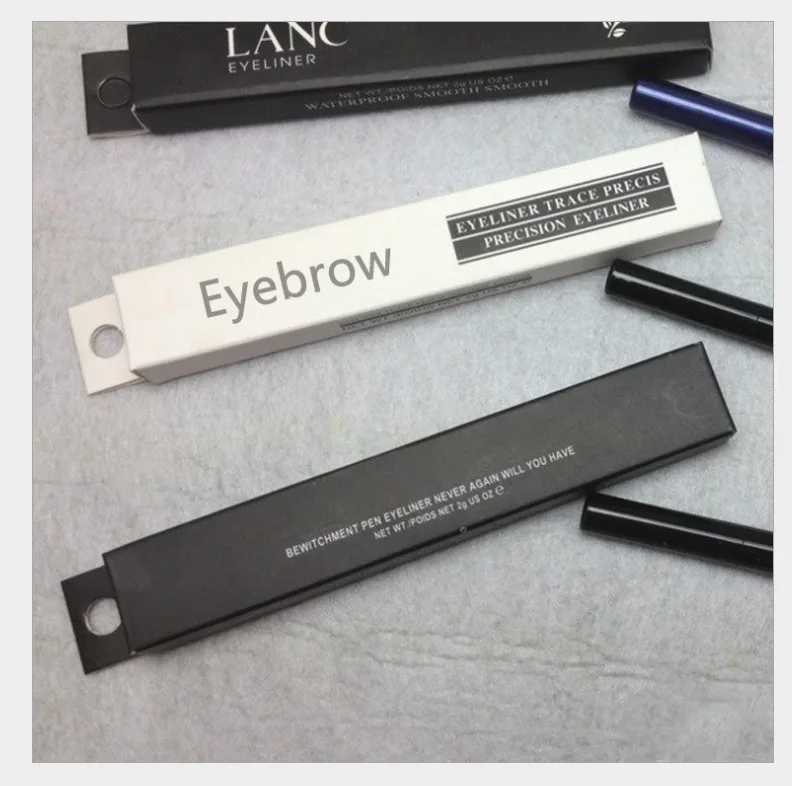
Real alternatives exist if you need something even faster. US print-on-demand services like Packlane or Arka can turn a small run in days, though unit cost is higher and structural choice is narrower. For most indie brands, a 100-piece factory run hits the sweet spot between control and cost. To de-risk further, we offer a free dieline and a free blank sample so you can confirm the structure fits your product before a single printed sheet goes through the press.
When Scaling to 1000+ Makes Financial Sense
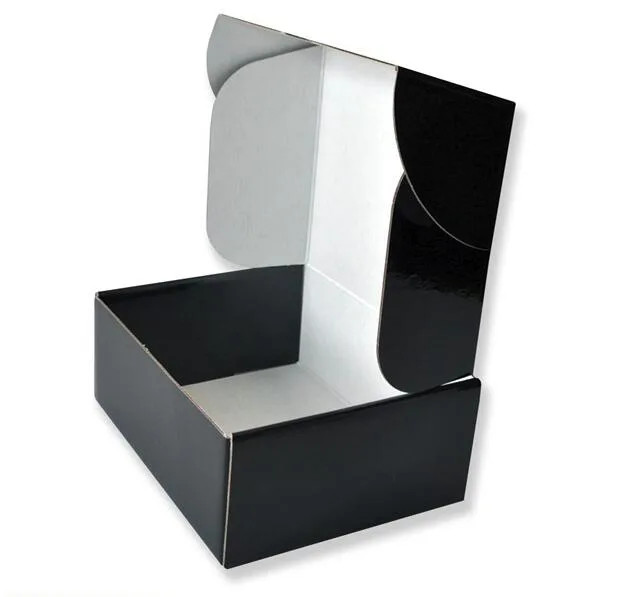
Once sell-through is proven, volume pays off. Tooling, your dieline and printing plates, is a fixed cost amortized across the run, so the per-unit price drops meaningfully as quantity climbs. A corrugated mailer, E, B, or F flute wrapped with white card, kraft, or specialty paper, ships flat, so scaling to 1000+ barely moves freight. If you reorder a known winner monthly, 1000+ is usually the efficient point.
We do not push big runs to a marketplace. As a direct Guangzhou factory we quote the same product factory-direct at both 100 and 5000+ pieces, with consistent quality and DDP landed pricing. Many "suppliers" on trading platforms are reselling the same Guangzhou boxes at a markup. If you want a premium rigid look at volume, a collapsible magnetic box, greyboard with art paper and hidden magnets, is the one rigid type that flat-ships, so it keeps freight sane even as quantities climb.
A 4-Question Test to Size Your First Batch
Run these four questions before you commit.
- Have real customers seen the box? If no, start at 100 and learn.
- Is the size still a guess? If you have not packed the actual product, 100 lets you fix the dieline cheaply.
- Do you reorder on a rhythm? A proven monthly SKU justifies 1000+.
- Is cash tight? 100 pieces keeps launch risk low and inventory off your floor.
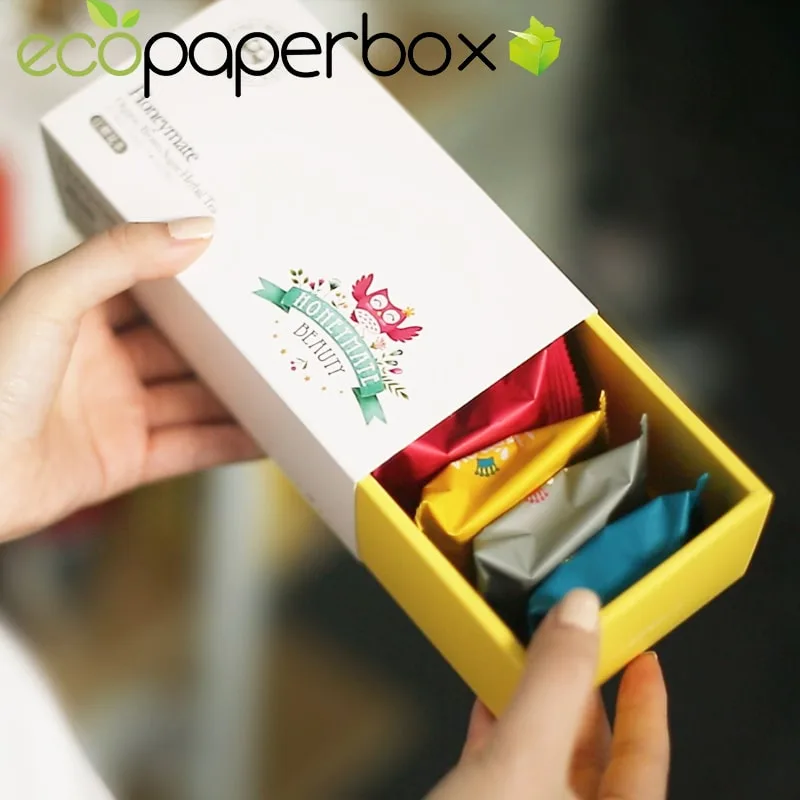
100 vs 1000 at a glance
| 100 pieces | 1000+ pieces | |
|---|---|---|
| Best for | New launch, unproven size | Proven monthly SKU |
| Cash tied up | Low | Higher |
| Freight | Low (or flat-ship) | Low per unit |
| Unit price | Reasonable | Lower |
| Risk if wrong | Small | Large |
Scaling Up Without Losing Color or Supplier
The fear with scaling is inconsistency, a second batch that does not match the first. We keep your dieline on file and print against saved specs, using Pantone spots for brand-critical colors and the same board batch where possible. In-house printing means the same presses and QC run your 100-piece test and your 5000-piece reorder, so color and structure stay aligned. Reorders are simply the next run from the same saved file.
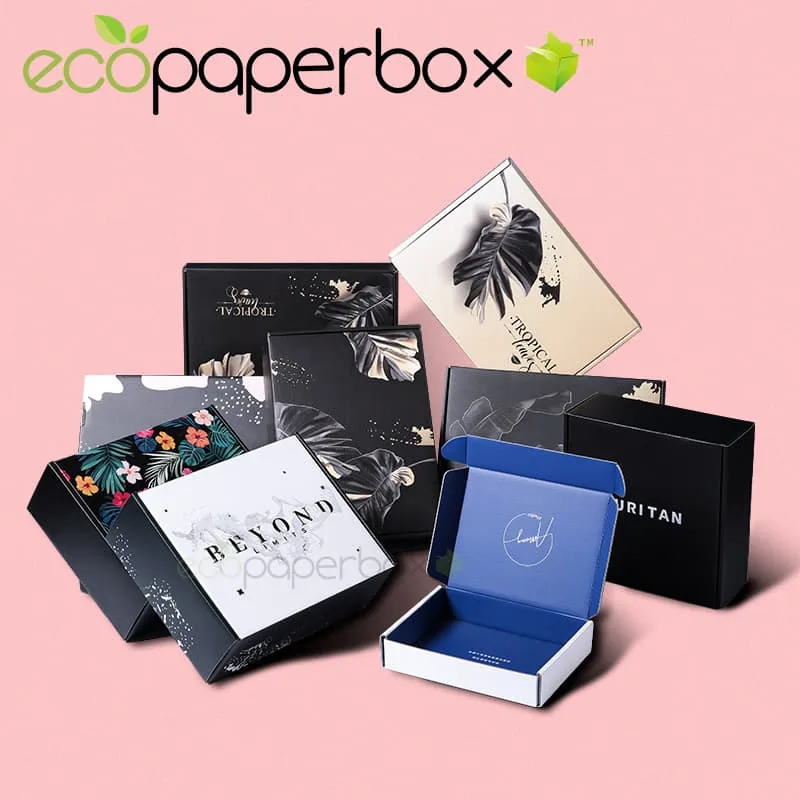
Honest caveat: paper is a natural material, so expect minor batch-to-batch shade variation. That is normal, not a defect. Ask for a printed pre-production sample on any run above 1000 if color is mission-critical.
Still deciding? Our deeper look at why 100 pieces is now realistic for custom packaging covers the industry shift from 1000-3000 minimums, and you can explore structures on our customisable packaging page.
Ecopaperbox is a Guangzhou factory holding ISO 9001 quality certification, High-Tech Enterprise certification (no. GR202544012474, valid from 2025-12-19 for three years), and SGS-audited facility status. Need FSC-certified paper? We can source it from FSC-certified mills with chain-of-custody documentation on request. Typical lead time after artwork approval is 7-12 working days.