
A subscription box is the only product a customer opens in front of a camera on purpose. That makes the mailer itself part of the product, not just the wrapper. But the same box has to survive sorting machines, a rain-soaked porch, and three levels of a distribution center before it earns that moment. Getting both jobs done — protection and presentation — is the real design problem.
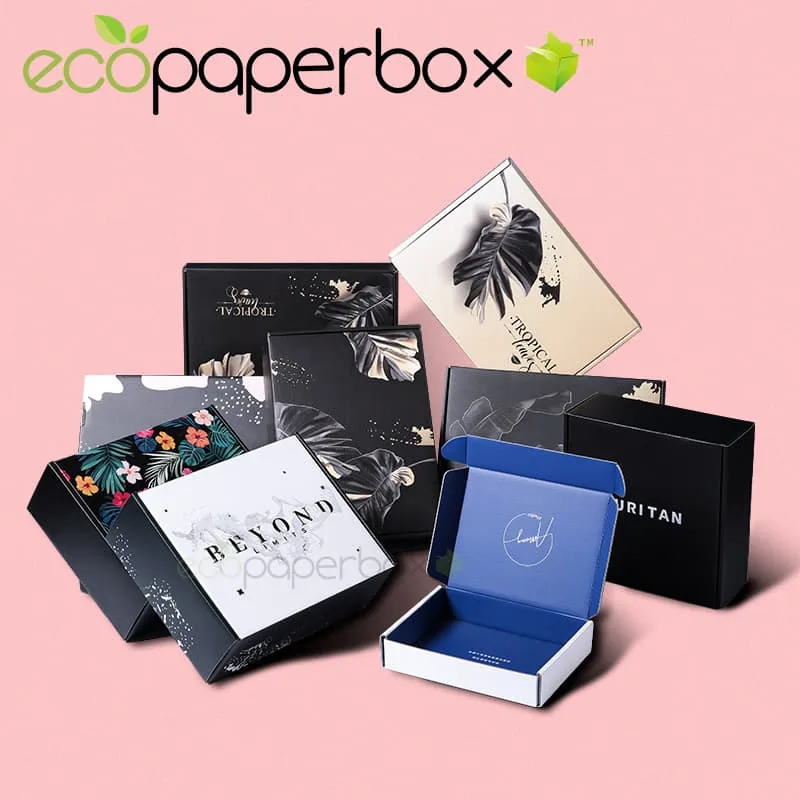
Why corrugated mailers dominate subscription boxes
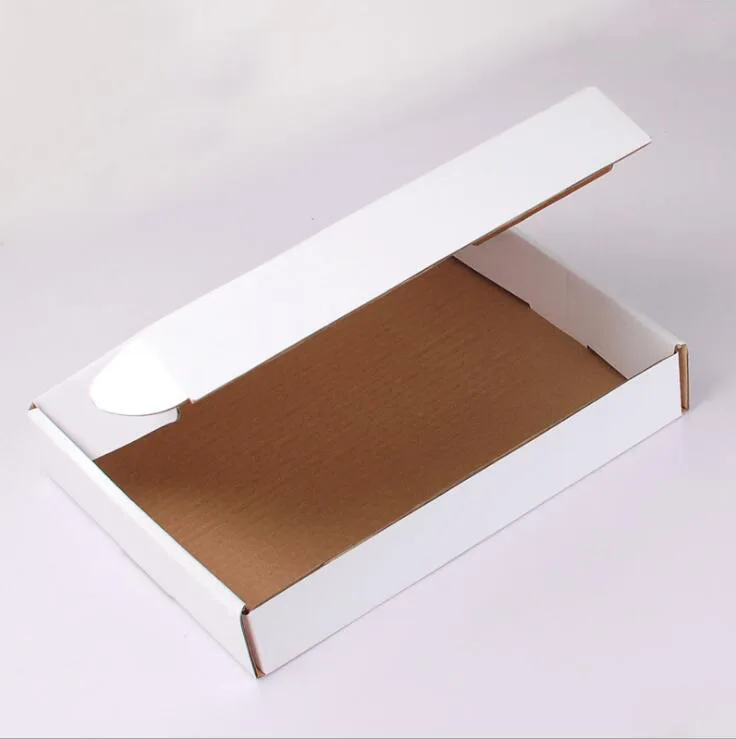
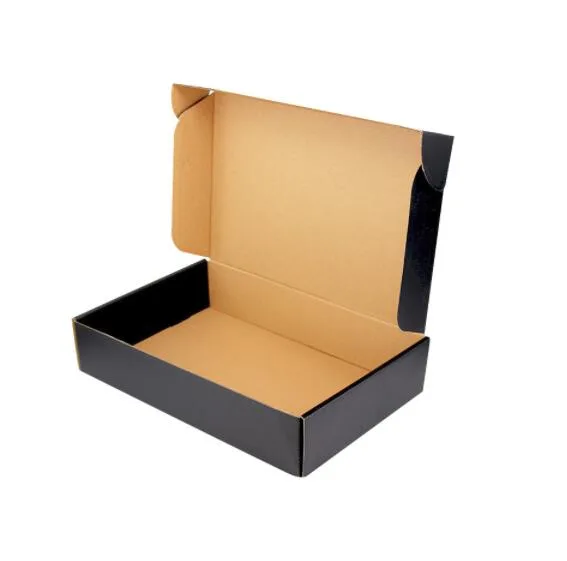
Most monthly boxes ship in corrugated mailers built from E, B, or F flute board wrapped with white card, kraft, or a specialty paper. The flute gives crush resistance in a thin profile, and the wrap is where your print lives. For a 200–500 g item that is not fragile, an E-flute mailer is usually the sweet spot: rigid enough to protect, light enough to keep freight low. The honest alternative for very light soft goods is a poly mailer, but it reads as commodity and cannot be printed the same way.
Size beats weight more often than new sellers expect. We once saw a snack brand ship a 6-inch cube for a 200 g bar; moving to a 4.5-inch cube cut the expressed freight by roughly a third, because carriers bill dimensional weight, not scale weight, once a box crosses a threshold. Right-sizing the mailer is usually the fastest freight win available, ahead of any material change.
The unboxing moment — inserts and the reveal
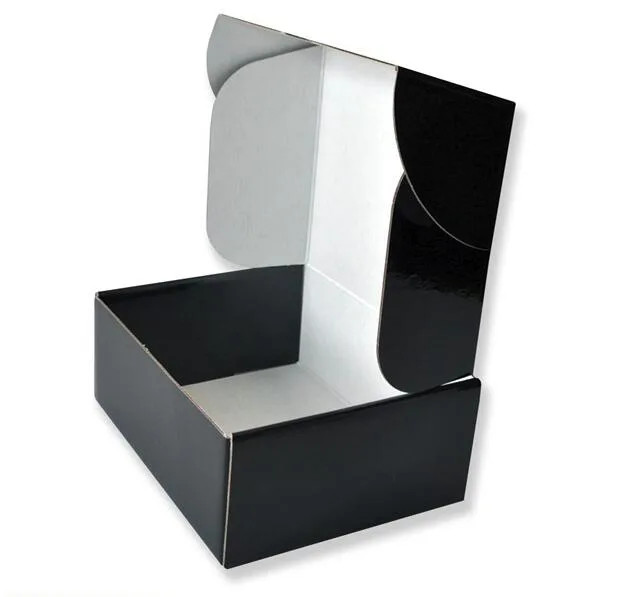
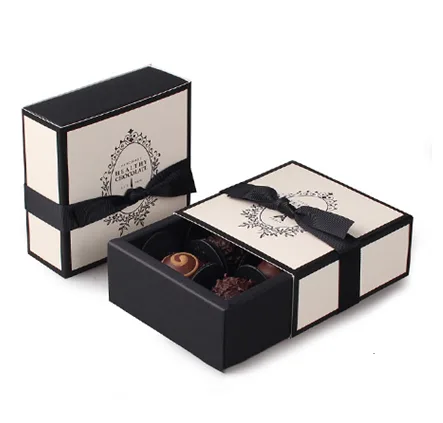
The inside of the box does the selling. A simple printed insert card, a thank-you note, or a tray-and-sleeve reveal turns a plain carton into a ritual. You do not need foil on everything; a clean one-color interior print plus a well-cut insert often reads more premium than a box drowned in gloss. This is also where you can place a discount code or a referral ask without it feeling like junk mail. A skeptic would point out that the insert only pays off if the product itself is worth talking about — the box is the amplifier, not the band.
Flat-ship construction cuts freight, not just cost
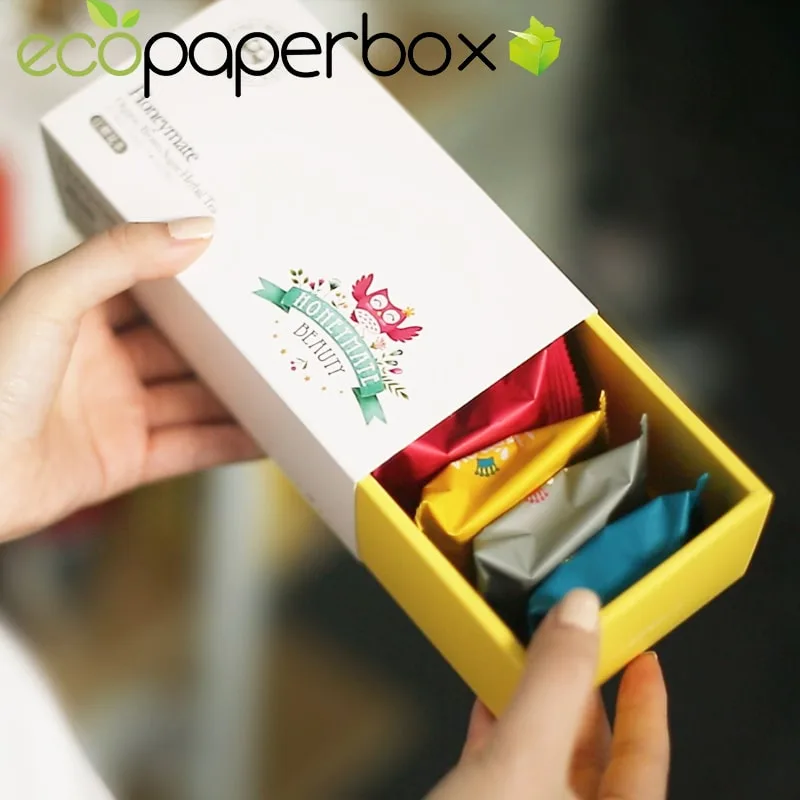
Corrugated mailers and folding cartons ship flat, so a pallet holds thousands of blanks instead of hundreds of assembled boxes. That single fact lowers both storage and ocean freight dramatically. The trade-off is assembly labor on your end or ours; for most subscription volumes that is a fair swap for the freight saving. If you want the rigid look without the assembled-box freight, a collapsible magnetic box is the one rigid type that also folds flat — same greyboard and art-paper build, hidden magnets, premium feel on arrival.
When a rigid or collapsible magnetic box is worth it
Some subscriptions are the gift, not the delivery — think cosmetics, jewelry, or curated keepsakes. Here a rigid box (greyboard 1000–1500 gsm mounted with 157 gsm C2S art paper or a specialty paper) signals value the moment it is lifted. A collapsible magnetic version keeps that feel and still ships flat. Be honest with yourself: a $15 product in a $6 rigid box only works if the unboxing genuinely supports repeat orders. For the typical $25–$60 item, the math is easier.
Common mistakes first-time subscription brands make
The frequent ones: oversizing the box (dimensional weight quietly doubles freight), skipping the insert (the unboxing falls flat), and choosing a board too thin for the route (crushed lids in week one). Another is treating the mailer as disposable — subscribers photograph it, so a generic brown box is a missed brand touchpoint. Right-size first, print second. A practical check is to weigh the filled box and quote freight on that, not on the empty carton.
A note on materials and what we make
Ecopaperbox is a Guangzhou factory with in-house offset printing, lamination, die-cutting, and hand assembly. We can source FSC-certified paper from FSC-certified mills for projects that need it, with chain-of-custody (CoC) documentation available on request. Our workshop holds ISO 9001, a High-Tech Enterprise designation (certificate no. GR202544012474, issued 2025-12-19, valid three years), and is SGS-audited. We do not claim to hold our own FSC certificate — the paper is mill-sourced.
If you are launching or refining a subscription, start at 100 pieces. That is our standard MOQ across most box types — low enough to test a design with real customers before committing to a larger run, and a fraction of the 1000–3000 pieces many suppliers still require. Typical production is 7–12 working days after artwork approval, with DDP shipping available so the landed cost is clear up front. You can compare us against Arka or Packlane honestly; they are strong for fast US print-on-demand, while a direct Guangzhou factory tends to win on unit price at 100+ and on structural range.
See our rigid vs folding box guide to pick the construction, or start a custom packaging inquiry.