
Why the Closure Decides the Unboxing (Not the Print)
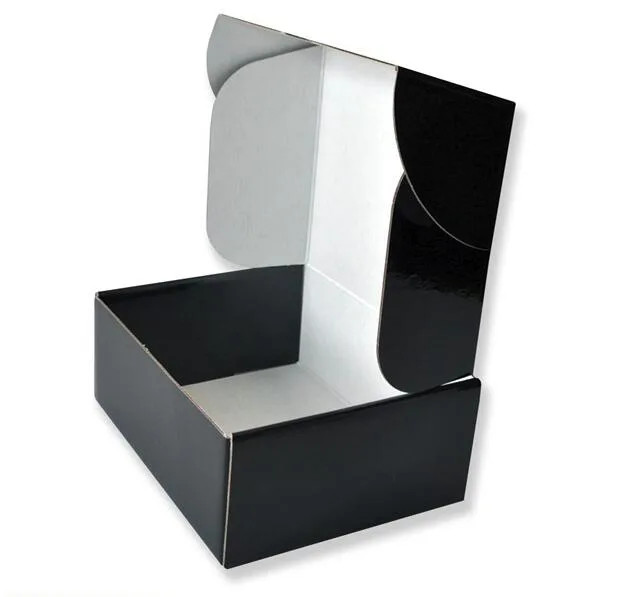
Most first-time buyers obsess over the print: the logo, the color, the finish. The part customers actually touch first is the closure: how the box opens, whether it needs tape, and how secure it feels in transit. A mailer box lives or dies on its closure, and the three common options: roll-end, tuck, and magnetic: sit at very different points on the cost, protection, and prestige scale. Closures also drive returns: a box that pops open in transit is the fastest way to earn a one-star review.
Ecopaperbox is a Guangzhou factory with in-house offset printing, die-cutting, and hand assembly, so all three closures are made under one roof from an MOQ of 500 pieces. Here is a practical, engineer-to-buyer comparison.
Roll-End Mailer (Self-Locking)
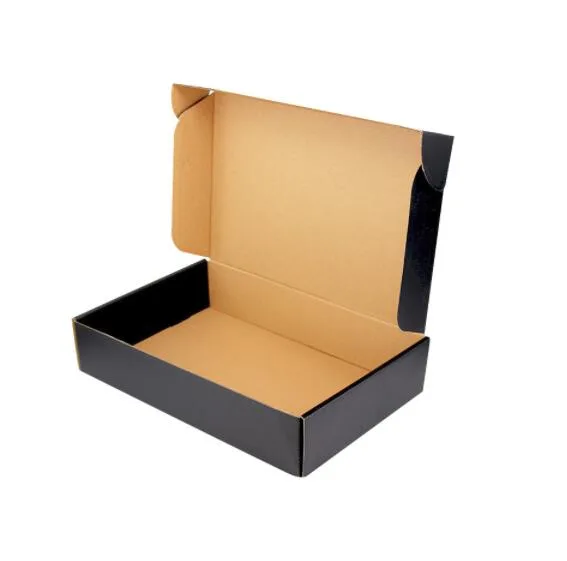
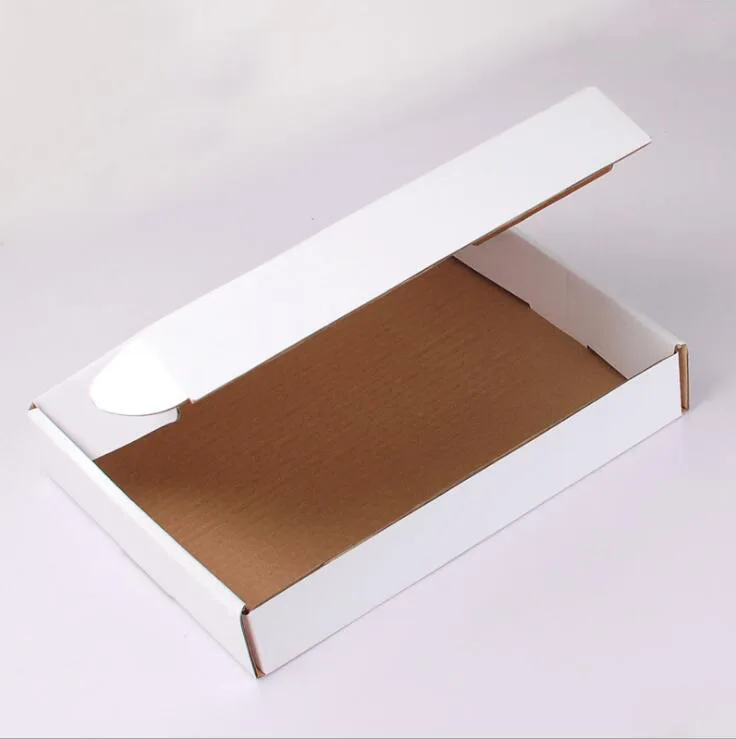
The roll-end mailer is the workhorse of ecommerce. Front and side flaps roll inward and tuck into a built-in locking tab, so the box closes without tape. It is almost always built from corrugated board: E-flute wrapped with white card, kraft, or specialty paper.
- Pros: No tape needed, secure in transit, tamper-resistant, ships flat (low freight), and gives a satisfying slide-open reveal.
- Cons: Uses more board than a simple tuck, so the unit cost is a bit higher; the reveal is less dramatic than a lift-off lid.
Suited to: subscription boxes, apparel, cosmetics, and anything that needs to arrive intact without extra packing tape.
Tuck-End Closure
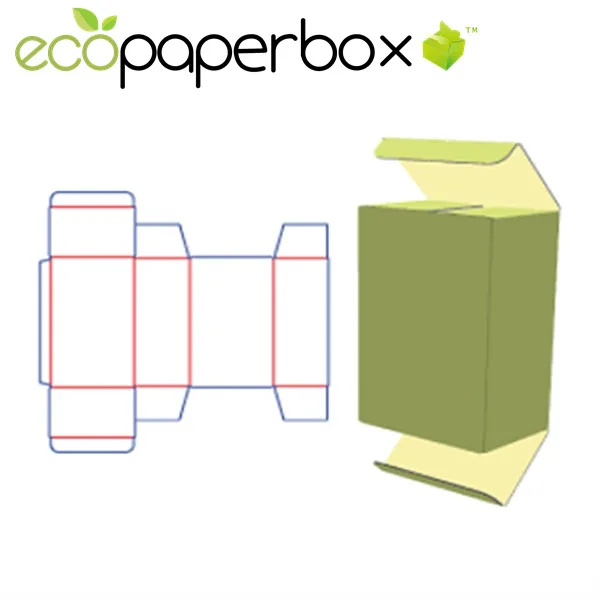
The tuck closure is a flap that inserts into a slot or opening. You see it on folding cartons (SBS white card or kraft) and on lighter corrugated mailers. Straight tuck-end and reverse tuck-end are the two common variants.
- Pros: Lowest to produce, fastest to pack by hand, and the lightest option: which keeps freight down.
- Cons: A tuck can pop open if the box is overstuffed or dropped on its end; it is less secure for heavy or valuable items and reads as more everyday than premium.
Suited to: lightweight retail items, inserts, cards, and samples where speed and price matter more than a plush opening.
Magnetic Closure (Collapsible Magnetic Box)
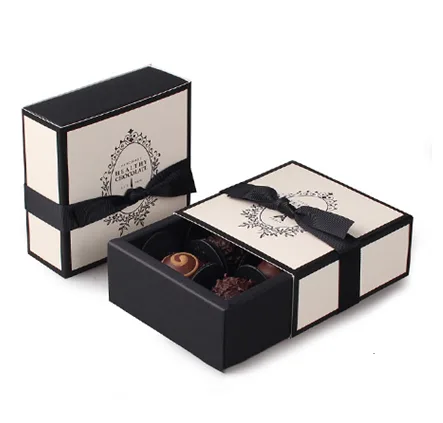
A magnetic closure lives on a rigid box: greyboard (1000-1500 gsm) mounted with 157 gsm C2S art paper or specialty paper, with hidden magnets sewn into the seams. This is the only rigid box type that can flat-ship, because it is built as a collapsible magnetic box: the walls fold flat and the customer (or your team) pops it into shape.
- Pros: Premium feel, secure and reusable, and the flat-ship format keeps ocean-freight cost down despite the heavier board.
- Cons: Highest unit cost of the three, and it still needs a few seconds of assembly even though it ships flat.
Suited to: gifting, premium beauty or tech brands, and products where the unboxing is part of the marketing. See our collapsible magnetic box guide for the flat-ship details.
Closure Comparison at a Glance

| Closure | Typical board | Tape needed | Freight | Unit cost | Suited for |
|---|---|---|---|---|---|
| Roll-end | Corrugated (E-flute) | No | Flat, low | Moderate | Ecommerce, subscription, shipping |
| Tuck-end | SBS / kraft folding or light corrugated | No | Flat, lowest | Lowest | Lightweight retail, inserts |
| Magnetic | Greyboard + art paper (collapsible) | No | Flat-ship, mid | Highest | Premium gifting, repeat unboxing |
How to Choose: A Practical Framework
Pick the closure by three variables: product weight, brand tier, and freight sensitivity. When freight is the constraint, remember that all three ship flat, so none of them carries the assembled-rigid freight penalty that a standard rigid box would.
- Heavy or fragile, shipped by post: roll-end corrugated. It survives sortation and needs no tape.
- Light, price-sensitive, high volume: tuck-end folding carton. Lowest cost and lightest freight.
- Premium, gifting, repeat-purchase: magnetic collapsible. The unboxing earns its higher cost.
A common mistake is putting a tuck closure on a heavy item: the flap pops and the product spills. The opposite mistake is specifying magnetic boxes for a high-volume, low-margin SKU, where the per-unit premium erodes margin. If you are unsure, start a 500-piece test run, validate the unboxing with real customers, then scale. When deciding between rigid and folding overall, our rigid vs folding guide lays out the tradeoffs.
A Skeptic's Note on Tradeoffs
No closure is free. Roll-end uses more board, so it is not the lowest-cost. Magnetic boxes still require assembly labor even though they flat-ship. Tuck boxes are cheap precisely because they give up some security. And a so-called free marketplace mailer is often a trader reselling the same Guangzhou-made box at a markup: buying factory-direct from a Guangzhou workshop keeps the unit price honest at both 100 and 5,000 pieces.
For US-bound small brands, print-on-demand services like Packlane or Arka are fast and easy, but their per-unit price climbs steeply as you scale; a direct factory wins on unit cost once you pass the low hundreds. Either way, lead time from a Guangzhou factory after artwork approval is typically 7-12 working days, and DDP shipping quotes avoid surprise fees at the door.