
When you order a custom box, most of the attention goes to the outside — the logo, the color, the finish. But the moment a customer opens the lid, they see the inside. That interior surface is free marketing space, and deciding whether to print on it is one of the most overlooked choices in packaging design. This guide compares inside print vs outside print, what each costs, and when the inside is worth the extra step.
Why the inside of the box is unboxing real estate
The outside of a box sells the product on a shelf or in a thumbnail. The inside sells the relationship after purchase. A printed interior — a thank-you line, a pattern that matches the brand, or a simple tone-on-tone logo — turns an ordinary opening into a small moment. For beauty, jewelry, and gift brands especially, that moment is part of the product experience, not an afterthought.
From a manufacturing view, interior print is not a different process. It is the same offset sheet, printed on the reverse side before the board is mounted or folded. The constraint is not capability — it is cost and layout discipline, which we cover below.
What interior printing actually costs
The main added cost is one extra printing plate (or one extra side of the sheet on a perfecting press), plus the care to register art on the reverse. On a Guangzhou factory with in-house offset — Heidelberg, Komori, and Roland presses running under the same roof — that step is routine and does not add a second production line. You are paying for the plate and a little setup time, not a whole new process.
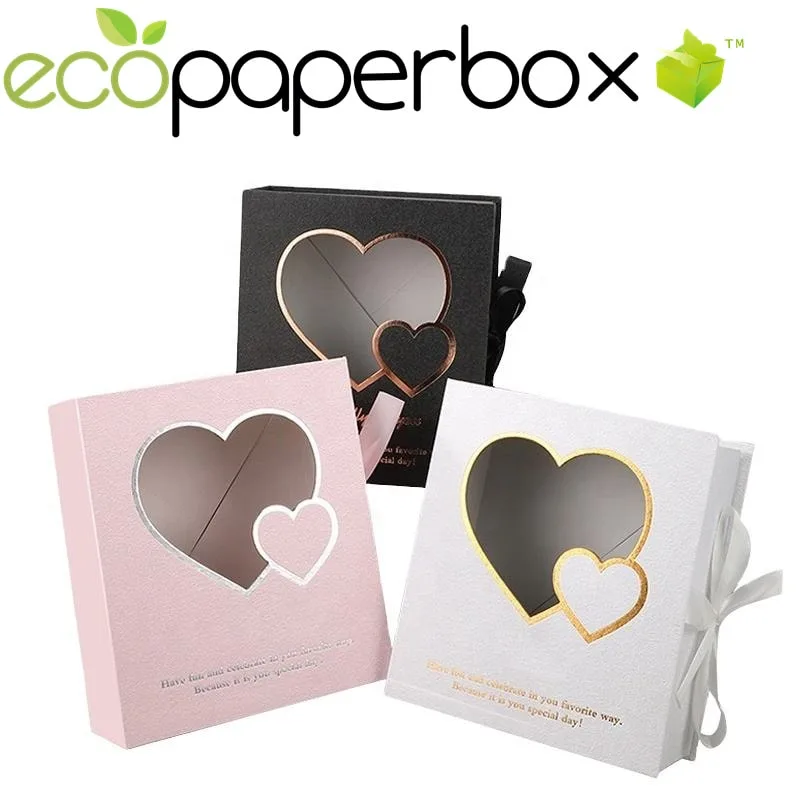
For a rigid box, the interior print goes on the 157 gsm C2S or specialty paper that is wrapped around the greyboard core (1000-1500 gsm). For a folding carton, it sits on the reverse of the SBS or kraft board. Either way, the paper is already there; you are choosing whether to use it. At our standard MOQ of 100 pieces, adding interior print rarely changes the per-unit price by more than a small plate fee — far less than people expect.
A skeptic's note: if your volume is tiny and your margin is thin, an unprinted interior in a clean brand color may read just as premium. Print the inside because it earns its keep, not because a competitor did.
Inside, outside, or both — a decision guide
There is no universal answer, only a fit-for-purpose one. Use this quick frame:
| Print location | Suited for | Watch out for |
|---|---|---|
| Outside only | Retail shelves, shipping mailers, price-sensitive runs | Interior looks bare next to a premium finish |
| Inside only | Surprise message, loyalty note, subscription reveal | Wasted if the box is never opened on camera or in store |
| Both | Gifting, beauty, jewelry, brand-led unboxing | Extra plate cost; needs clean reverse registration |
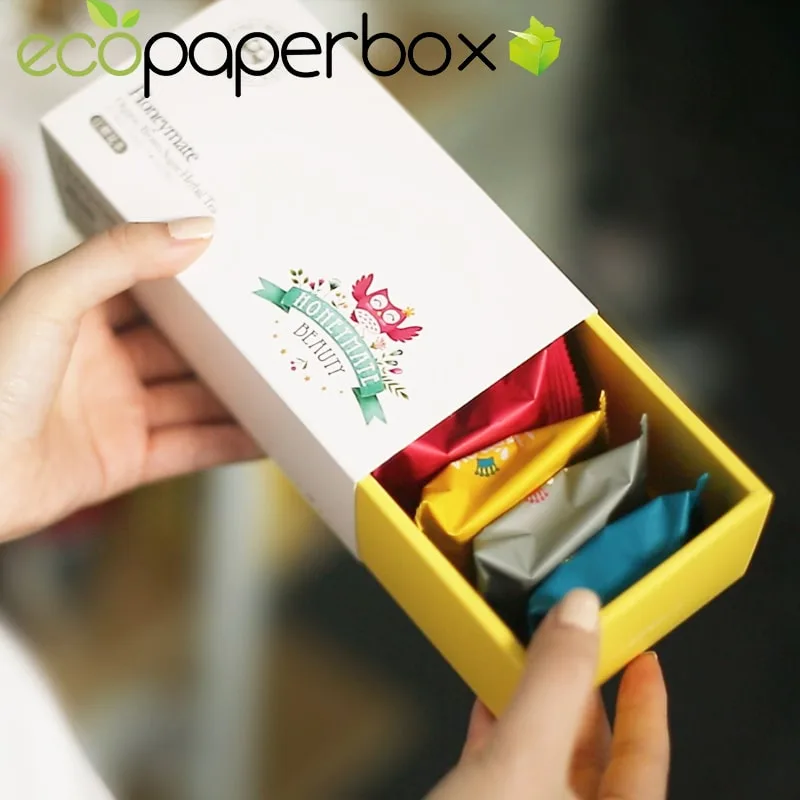
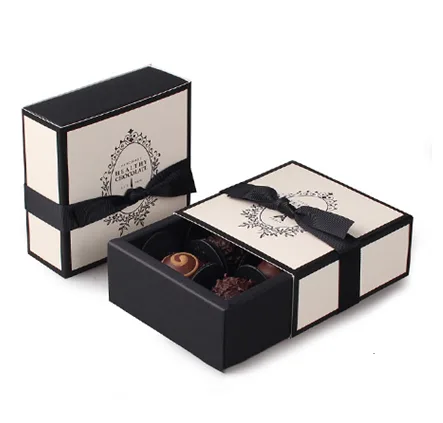
The tray-and-sleeve structure is a good example: the sleeve carries the hero logo on the outside, while the tray interior — the part the customer sees as they lift the sleeve — is the natural place for a printed pattern or message.
Common mistakes buyers make
The first mistake is treating interior art like exterior art. Reverse-side print is mirrored during production, so text and logos must be set up for the inside-out view. A supplier that runs in-house printing will catch this at proof stage; a trader passing files to a sub-factory may not. Our free structural dieline and blank sample exist precisely so you can check orientation before committing to a full print run.
The second mistake is over-printing a plain kraft interior. Kraft reads as honest and natural when left raw. A full-coverage ink job on kraft can look heavy and hides the material's appeal. If you want color inside, a white SBS folding carton or a coated interior usually reproduces it more cleanly.
The third is forgetting that interior print still needs a clean safe zone. Fold lines and glue flaps eat into the printable area, so keep key art away from edges just as you would on the outside.
A worked example
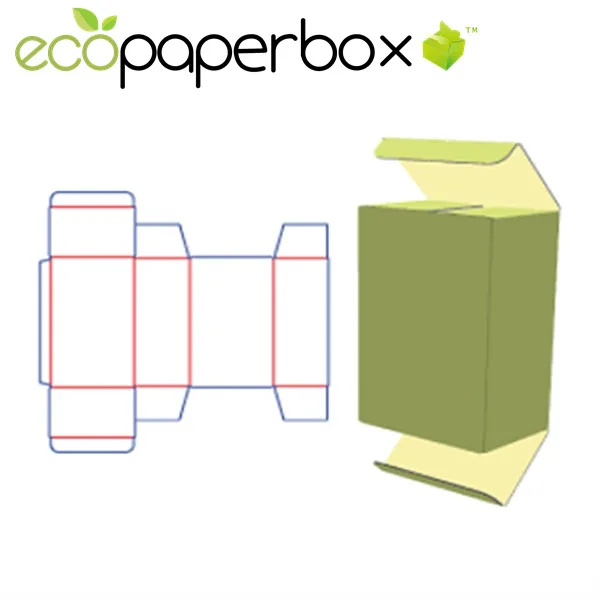
Take a straight tuck-end carton for a small beauty item. Outside carries the brand name and a Pantone accent. Inside, a single reversed-out line — "Made for daily use" — sits on the upper panel. The effect costs one extra plate, adds maybe a day to proofing, and turns a functional carton into something a customer photographs. For a brand testing the market at 100 pieces, that is a low-risk upgrade; for a 5,000-piece reorder, the plate is already on file and the unit cost barely moves.
How to brief interior print
When you send artwork, tell the factory explicitly which elements go inside and which go outside, and supply a dieline layer for each face. Our in-house team prints both sides on the same sheet and checks registration against your proof. Typical lead time after artwork approval is 7-12 working days, whether you print one side or both.
Ecopaperbox is a Guangzhou-based custom paper packaging factory with in-house offset printing, lamination, die-cutting, and hand assembly. We hold ISO 9001 quality certification for our workshop, are certified as a High-Tech Enterprise (certificate no. GR202544012474, valid from 2025-12-19 for three years), and our facility is SGS-audited — all of which support consistent two-sided printing across reorders. If you want FSC-certified paper for a project, we can source it from FSC-certified mills with chain-of-custody documentation on request.
Start a test run at MOQ 100 and decide later whether the inside earns its place. For structure basics, see our dieline guide, and for file prep, our artwork checklist.