
If you have ever priced custom boxes on a B2B marketplace, you have probably noticed something odd: the same-looking rigid gift box or kraft mailer appears in dozens of stores at very different prices, often with near-identical photos. The reason is simpler than it looks. Many of those "suppliers" are not factories. They are resellers buying from the same Guangzhou production cluster and adding a markup. This guide explains how that markup works, what it costs you beyond price, and when going direct to a factory like Ecopaperbox actually pays off.
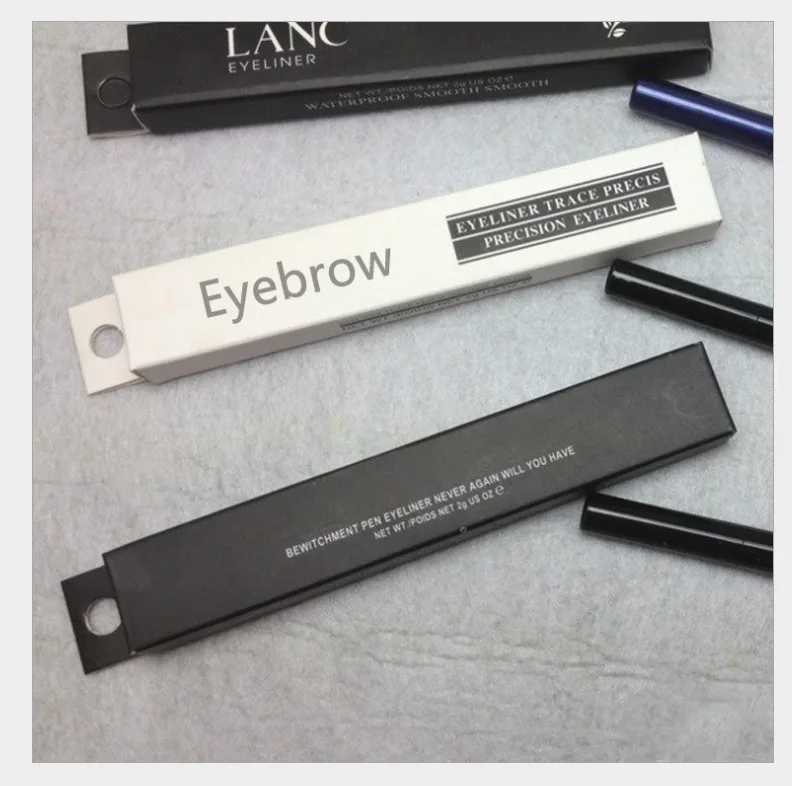
The open secret: most "box suppliers" don't own a press
A genuine packaging factory runs offset presses (think Roland, Heidelberg, or Komori), laminators, die-cutters, and hand-assembly lines. It holds greyboard, SBS, and kraft in stock and controls color from file to finished carton. A trading company does none of that. It collects catalogs from several workshops, quotes you a consolidated number, and earns the spread between factory cost and what you pay.
There is nothing illegal about that, and distribution is a real service. But it changes the math. Every extra hand between you and the production line adds cost and removes control. When a listing says "factory direct" but cannot show you the workshop or explain the board weight, treat it as a reseller.
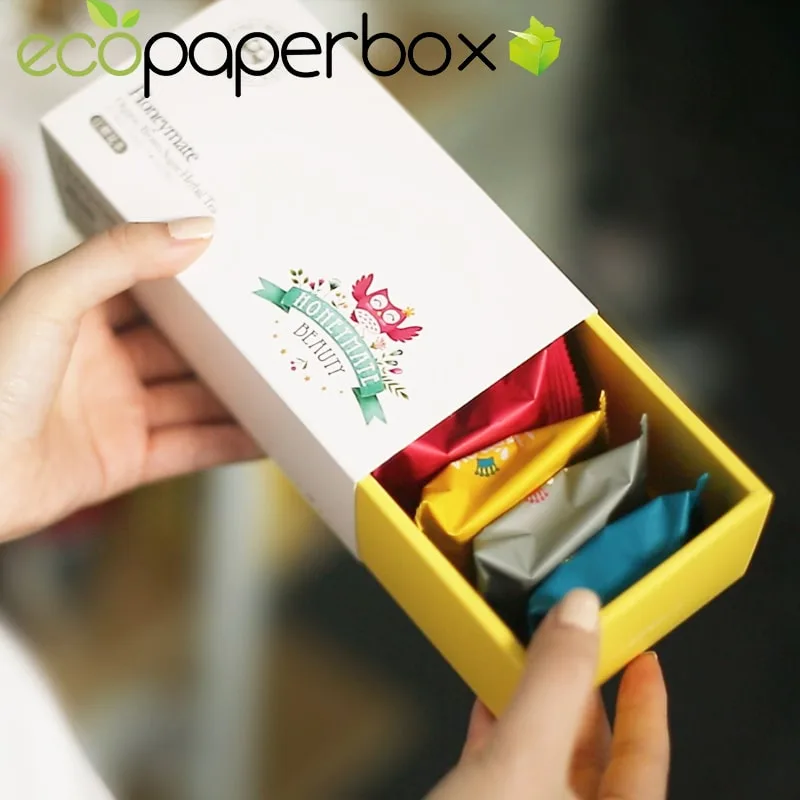
Same box, two price tags
Here is the part buyers miss. The rigid box a trader ships you and the one a factory quotes directly are frequently the same physical product, same 1000-1500 gsm greyboard core, same 157 gsm C2S art-paper wrap, same magnet or ribbon. The trader simply bought it from that factory (or one like it) and resold it.
The markup is not a single fee. It stacks: the factory's base price, the trader's margin, sometimes a sub-agent's cut, and the platform's commission on top. By the time the quote reaches you, a box that left a Guangzhou workshop at a modest price can arrive at your door materially higher, often enough to erase the savings you expected from "buying in China" in the first place.
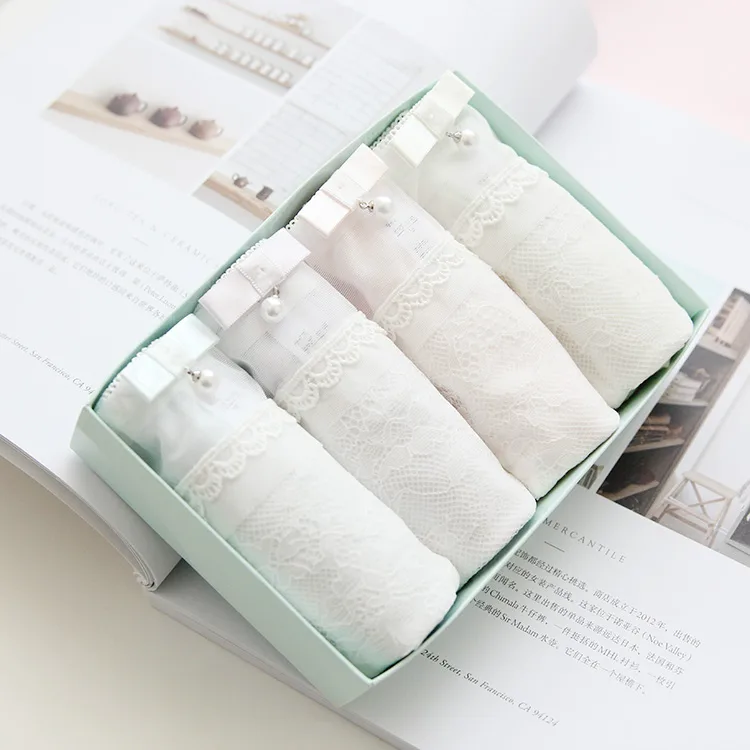
What the middleman margin actually costs you
Price is only the visible cost. Going through a reseller quietly costs you in four other places:
- Spec control. A trader relays your requirements second-hand. Board weight, flute type (E/B/F), and print method get simplified or lost in translation, and you may receive a box that is not quite what you specified.
- QC blind spots. The factory checks quality; the trader checks profit. Issues like print misalignment, weak glue joints, or foil adhesion are easier to miss when nobody with a press is accountable.
- Reorder drift. Traders re-source from whichever workshop quotes lowest that month. Your second order can look and feel different from the first, a real problem for a brand built on consistency.
- Communication lag. Every question bounces through an intermediary, so a one-day answer at the factory becomes a three-day email thread.
When a marketplace still makes sense
Being honest: direct is not always the answer. For a tiny urgent US run, print-on-demand brands like Arka, Packlane, and Noissue win on speed and a slick online configurator. You design in a browser and receive boxes in days, without negotiating a factory. Some traders also consolidate orders across multiple factories, which saves you the work of managing several suppliers at once.
The trade-off is unit cost and depth. Those platforms price per box higher than a Guangzhou factory at volume, and their structural range is narrower. If you need a bespoke rigid build, a specific insert, or 5,000 units, a direct factory usually beats them. The right choice depends on order size, timeline, and how much customization you need, not on which option sounds more "authentic."

How to buy direct without the risk
Buying from a factory does not mean gambling. A few checks remove most of the downside:
- Ask for real workshop photos and a capability list, presses, lamination, die-cutting, hand assembly. A genuine manufacturer answers fast and specifically.
- Request a free blank sample before print. Feeling the board weight and build settles whether the structure is right before you commit artwork.
- Get a DDP quote (delivered duty paid) so the price you see is the price you pay, freight and import duties included.
- Confirm the dieline stays on file for consistent reorders.
Ecopaperbox is a Guangzhou packaging factory with in-house offset printing, lamination, die-cutting, and hand assembly, not a sourcing agent. Because overhead stays inside our own workshop, the same rigid, collapsible-magnetic, folding, or corrugated box that a trader would resell is available directly at a lower landed cost, whether you need 100 or 5,000+ pieces. Our standard MOQ is 100 units (MOQ 100), which lets you test-market a design without tying up the cash a 1,000-3,000 piece minimum would require at many suppliers. Lead time runs 7-12 working days after artwork approval.
On the compliance side, we hold ISO 9001 quality management certification for our Guangzhou workshop (certificate copy available on request), High-Tech Enterprise certification (China designation, certificate no. GR202544012474, valid from 2025-12-19 for three years), and our facility is SGS-audited, with the depth-audit report on file. For projects that call for it, we can source FSC-certified paper from FSC-certified mills, with chain-of-custody documentation available on request.
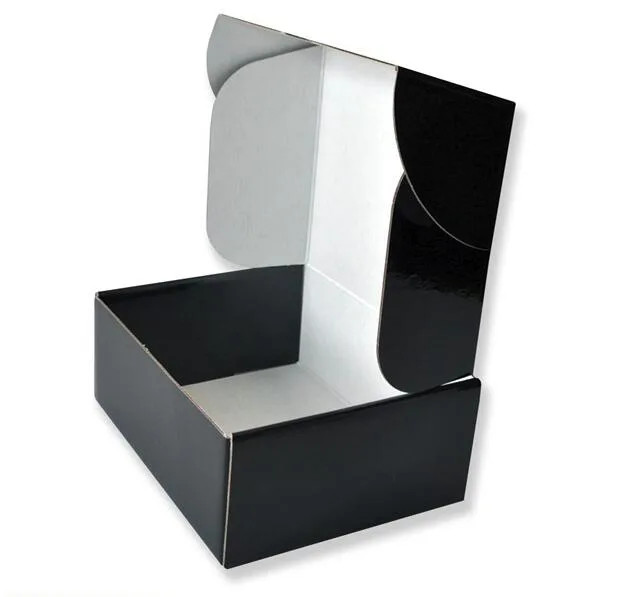
If you want help deciding whether direct or a marketplace fits your next run, start with our guides on vetting a packaging supplier and printing small quantities in the US vs a China factory.