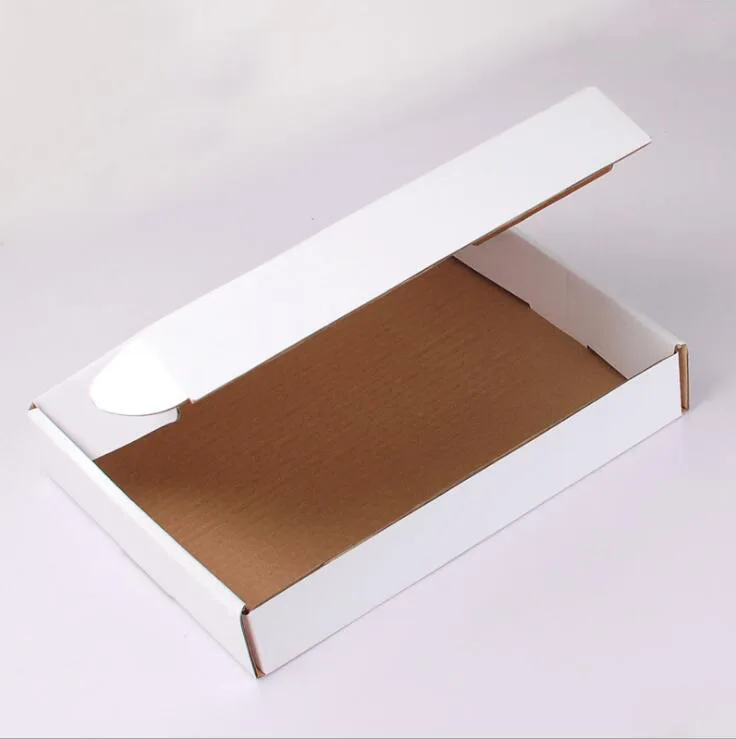
Why reorders are the real test of a packaging supplier
Anyone can print one good batch. The hard part is printing your 5th batch of boxes two years later and having it look like the first. For a brand, consistency is what customers actually notice — a logo color that drifts half a shade, or a lid that fits a millimeter loose, erodes trust faster than a first-order mistake.
As a Guangzhou-based custom paper packaging factory with in-house offset printing, we treat reorders as core work, not an afterthought. Here is how to keep your boxes consistent run after run. The same playbook applies whether your first order was 100 pieces or 5,000 — our standard MOQ of 100 pieces is the same floor we use for reorders, well under the old 1000-3000 industry norm.
Save your dieline — structure should never drift
The single biggest cause of "this box feels different" is a lost or redrawn structure file. The dieline is the cut-and-fold blueprint that defines every dimension, glue flap, and tuck. When it is redrawn each time, small errors creep in.
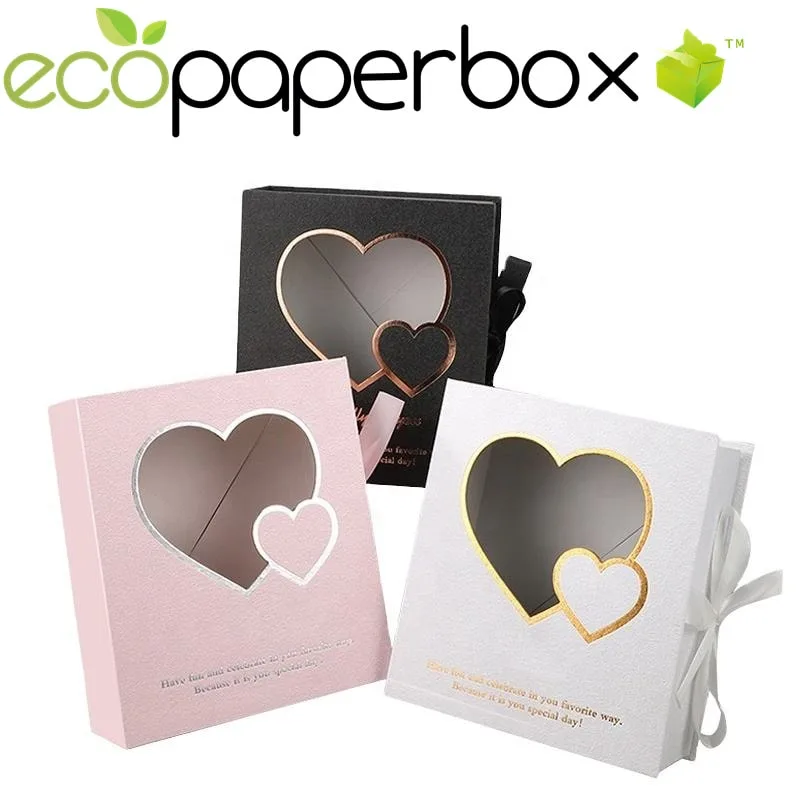
Keep the approved dieline on file with your factory. At Ecopaperbox we save your structural file against your order record, so a reorder six months later uses the exact same die. Folding cartons (SBS or kraft, shipped flat) and rigid boxes (greyboard 1000-1500 gsm mounted with 157 gsm C2S art paper, shipped assembled) are both rebuilt from that same file every time.

Lock color with a Pantone spot, not a screen hex
A color that looks right on a monitor is not a print specification. Screens use RGB; boxes print in CMYK plus spot inks. The reliable way to hold a brand color across batches is a Pantone spot color — a pre-mixed ink matched to a physical swatch.
For most runs, CMYK process printing is enough and cheapest. But for a logo or a brand-critical shade, ask for a Pantone spot (we can run up to 6 spot colors). Our in-house offset line — Heidelberg, Komori, and Roland presses — prints against the same ink recipe each run, which is why factory-direct printing controls color better than a trading company that subcontracts every order. For the full picture, see our notes on CMYK vs Pantone.
Fix the board batch and paper
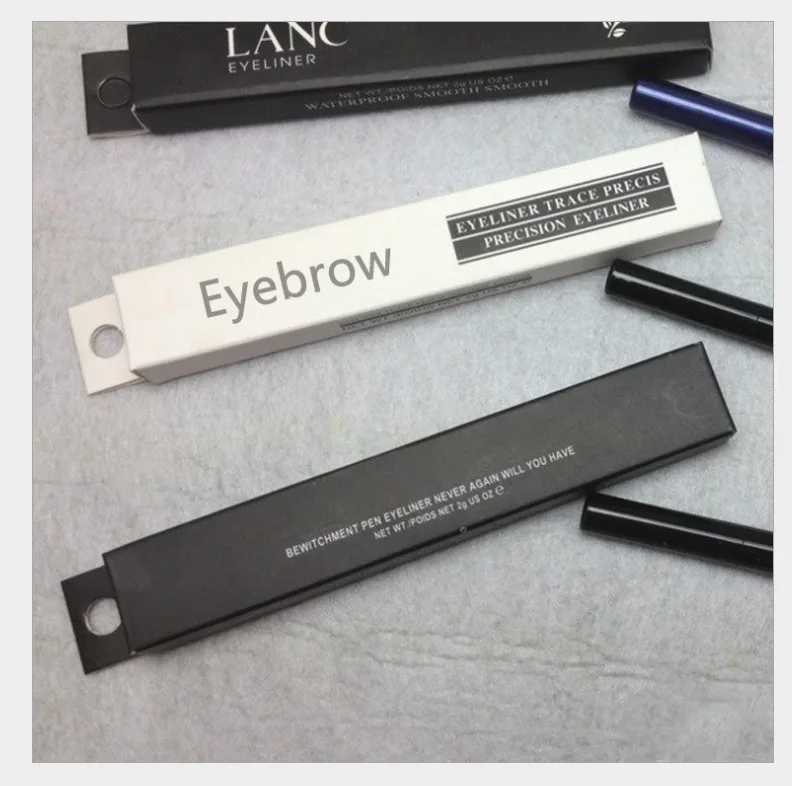
Color is not only about ink. The substrate matters. White SBS card reads a print differently from kraft, and even within "300 gsm SBS" there are shade and coating differences between paper mills. If your factory switches mills between orders, the box can look warmer or cooler.
Specify the exact board: grade, weight, and coating side (C1S or C2S). Reordering against a saved spec — same mill where possible — keeps the base consistent. This is another reason a direct factory with a stable supply chain beats a marketplace reseller who may source from whoever is cheapest that week.
One practical habit: photograph your approved first batch in daylight and keep that photo as your reference. When the new run arrives, compare the two side by side before you pack product into it. A two-minute check catches almost all visible drift, and it costs nothing. If something looks off, send the photo back to the factory — a real workshop wants the comparison, not a surprise complaint three months later.
What actually varies between runs (and how to control it)
Honesty matters here. Even with a saved dieline and Pantone spot, paper is not perfectly uniform and print carries tolerance. Expect small shifts: a half-shade of color, a fraction of a millimeter in board caliper. These are normal and rarely visible to customers.
To tighten them, ask for a printed proof or a single pre-production sample on reorder (we offer a free blank mock-up to confirm structure; a printed proof confirms color). For rigid gift boxes built from greyboard and art paper, the wrap alignment is checked during hand assembly, so a consistent workshop — backed by our ISO 9001 quality system and SGS-audited facility — reduces drift. We also hold High-Tech Enterprise certification (No. GR202544012474, valid from 2025-12-19), which reflects steady investment in process control.
A simple reorder checklist
Before you hit "reorder," confirm four things with your factory:
- Dieline on file: the exact same structural file as your approved first order.
- Color spec: a Pantone number (or approved CMYK) recorded — not just "same as last time."
- Board spec: grade, gsm, and coating written into the purchase order.
- Sample gate: request a printed proof or blank mock-up if the run is large or the color is critical.
With those locked, a reorder at our MOQ of 100 pieces — the same floor we use for first orders, far below the old 1000-3000 industry norm — ships in 7-12 working days after artwork approval. For FSC-certified paper, we can source it from FSC-certified mills with chain-of-custody documentation on request. Ready to reorder? Start from your dieline.