
Ask any packaging factory "how much is a custom box?" and you'll get a number - but that number rarely tells the whole story. A box that quotes at $0.35 per unit ex-factory can easily land at your door for $1.80 or more once freight, duty, and finishing are added. As a Guangzhou-based manufacturer with in-house printing, we see this gap confuse first-time buyers constantly. This guide breaks down what actually drives the cost of custom packaging in 2026, so you can budget realistically instead of chasing a misleading per-unit figure.
Why "price per box" is the wrong first question
The headline unit price usually covers only the box sitting in the factory. It leaves out the things that decide whether your project is profitable: the minimum you must order, how the box ships, and what print or finish you asked for. A low unit price on a 5,000-piece order looks great until you realize you needed 200 and the tooling reset the math.
A more useful first question is: what is my all-in cost for the quantity I actually need, delivered to my warehouse? That single reframe changes which supplier makes sense - and often which box structure you should choose.
Material is your first cost lever
Box material sets the floor for everything else. Here is how the three common structures compare for a similarly sized box:
| Structure | Core material | Ships | Typical cost signal |
|---|---|---|---|
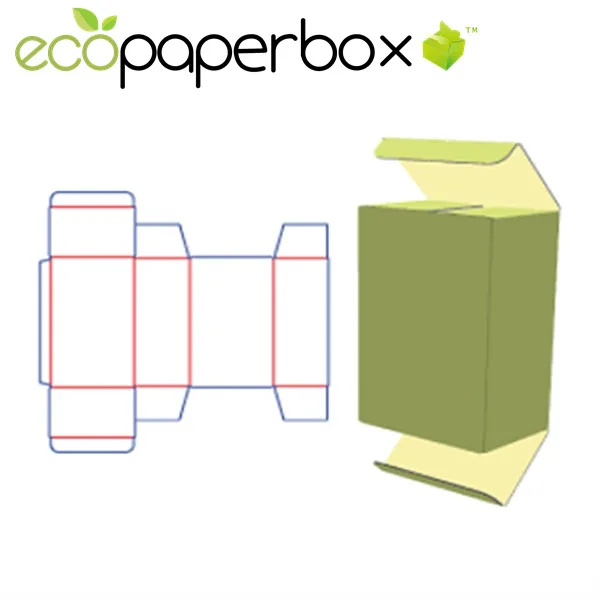
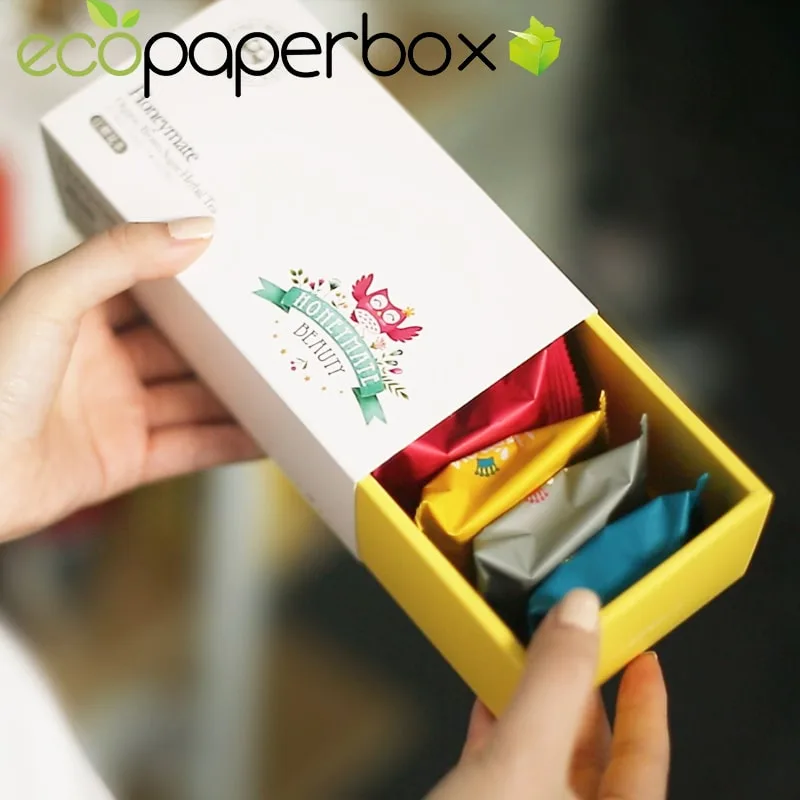
| Folding carton | SBS white card / kraft (250-350 gsm) | Flat | Lowest unit cost |
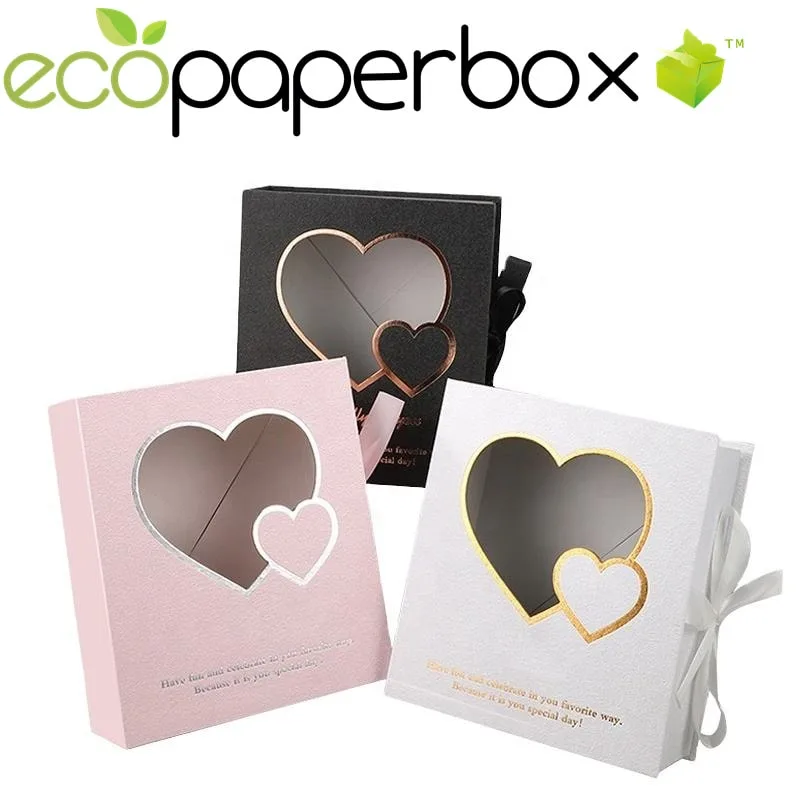
| Rigid gift box | Greyboard 1000-1500 gsm + 157 gsm C2S wrap | Assembled | Premium, heavier freight |
| Collapsible magnetic | Same greyboard + art paper, hidden magnets | Flat (the only rigid that does) | Premium look, lower freight |
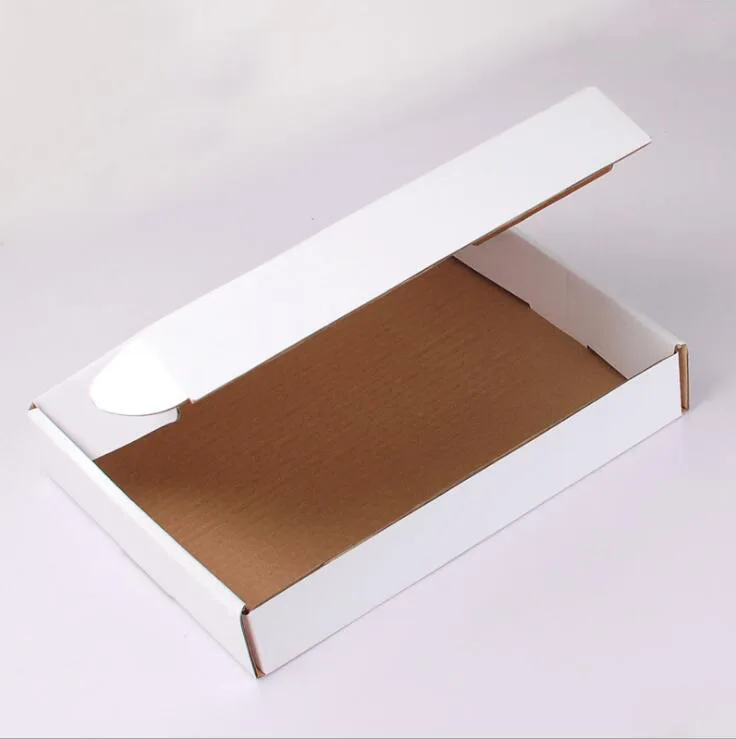
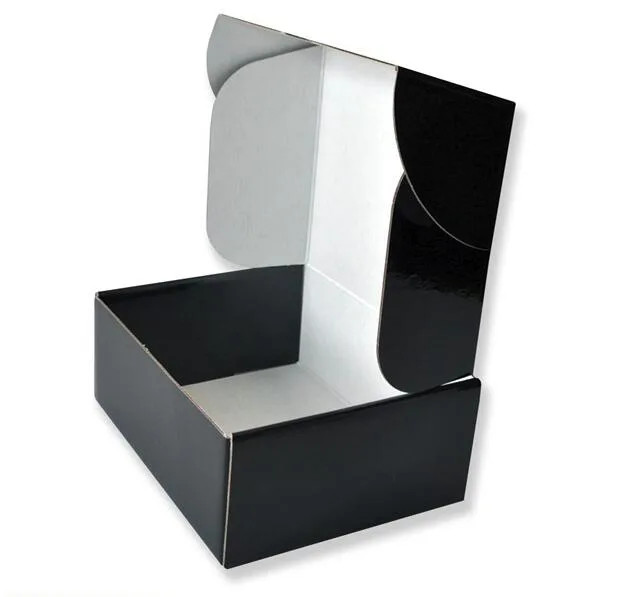
| Corrugated mailer | E/B/F flute wrapped with card or kraft | Flat | Low cost + protective |
A rigid box feels luxurious because of its greyboard core, not because it uses expensive paper. Folding cartons skip the greyboard entirely, which is why they cost far less and ship flat. If you are deciding between the two, our rigid vs folding guide walks through the trade-offs.
Print and finishing: where the premium adds up
Base printing (CMYK offset, which we run in-house) is reasonably priced. The costs climb when you add:
- Pantone spot colors - a separate plate per color beyond CMYK.
- Foil stamping and embossing - premium tactile finishes, priced per area and die.
- Soft-touch or matte lamination - a coating that changes the feel and adds a small per-unit cost.
- Spot UV - a gloss highlight, usually combined with lamination.
None of these are required, and restraint often reads as more premium than covering a box in foil. Decide which one finish carries your brand, and skip the rest for your first run.
Tooling and dieline: the one-time cost
Every custom box needs a dieline - the cut-and-fold blueprint that defines its shape. This is a one-time structural cost that gets amortized across your order quantity. At Ecopaperbox we provide a free dieline and a free blank sample so you can verify the structure before committing to print. That removes most of the risk (and cost) of getting a new box wrong.
Freight and duty: the part that surprises buyers
Two boxes with the same ex-factory price can have very different landed costs depending on how they ship. Assembled rigid boxes are bulky and heavy; flat-shipping formats (folding cartons, corrugated mailers, collapsible magnetic boxes) shrink that freight dramatically. Then there is the incoterm: EXW looks cheap but leaves you to arrange and pay for everything after the factory gate, while DDP (delivered duty paid) bundles freight and duty into one predictable number. We cover the difference in our DDP vs EXW explainer.
Why 500 pieces can still be affordable
For years the industry treated 1,000-3,000 pieces as the minimum. That threshold exists because tooling had to be spread over a huge run. With lower overhead and in-house production, our standard MOQ is 500 pieces across most box types - enough to test a market or a holiday design without tying up cash. The same factory-direct model keeps unit pricing competitive from 500 up to 5,000+ pieces, so you do not need a marketplace middleman to scale.
We operate a Guangzhou workshop certified to ISO 9001 for quality management, hold China's High-Tech Enterprise designation (certificate no. GR202544012474, valid from 2025-12-19 for three years), and run an SGS-audited facility. If your project calls for certified paper, we can source FSC-certified stock from FSC-certified mills, with chain-of-custody documentation available on request.
A realistic way to budget your first order
Start by fixing the quantity you can actually sell, pick the simplest structure that still feels on-brand, choose one hero finish, and ask for an all-in DDP quote at your real MOQ. Order 100 to validate the unboxing with real customers, then scale once sell-through is proven. You can start a project or browse structures on our custom packaging page.