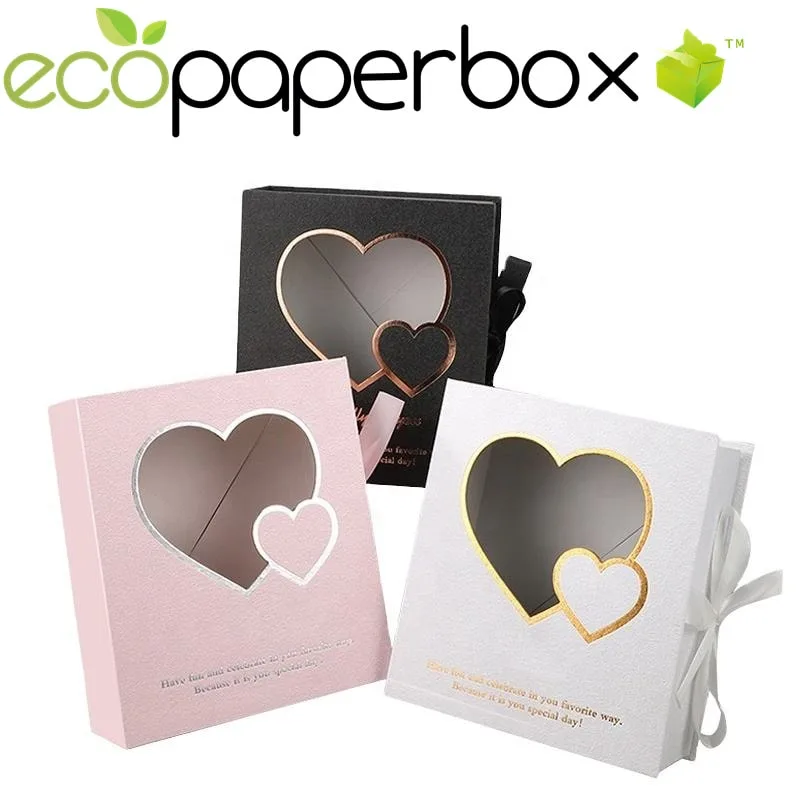
Walk down any gift or food aisle and you will see the same trick: a box with a shaped hole cut into the front, a thin clear film behind it, and the product sitting right there in view. That is a window box. It is one of the oldest packaging moves in the book, and it still works — when it is used for the right product. Custom luxury gift boxes from a real factory make the effect look intentional rather than cheap.
What a window box actually is
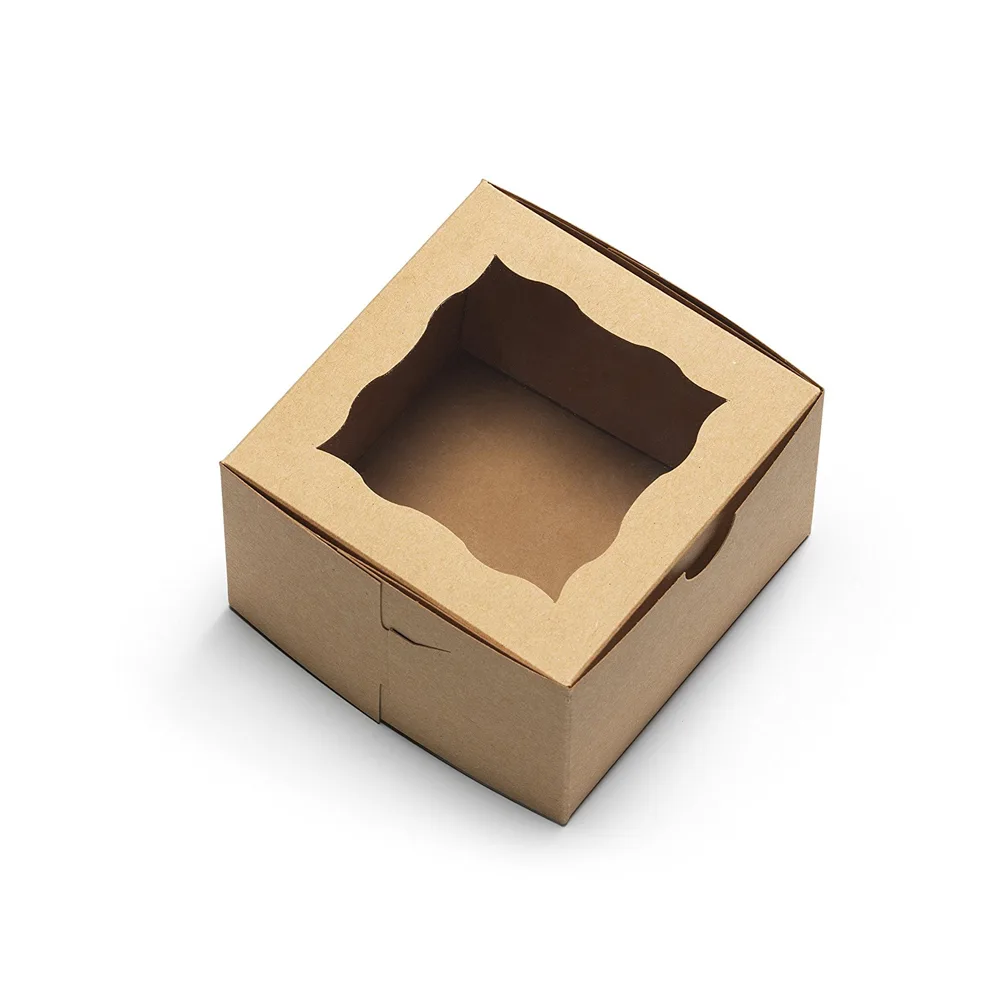
A window box is a standard folding carton or rigid box with a shaped opening cut into one face, covered by a thin transparent film so the customer sees the product without opening the pack. The cut is die-made as part of the dieline, and the film is sealed behind it during finishing.
It sounds simple, but the window changes three things at once: how much you can print on the surface, how well the product is protected, and how the pack reads on a shelf or in a product photo. Treat it as a real design decision, not a default setting.
Where a product peek actually sells
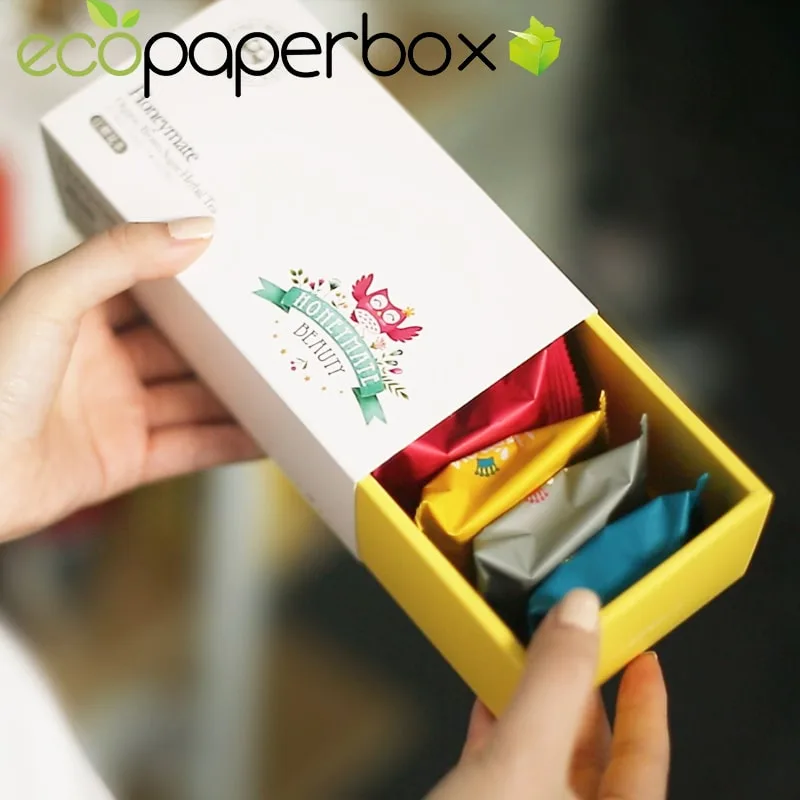
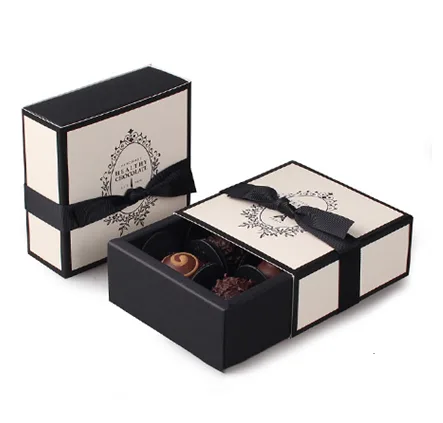
Windows earn their keep when the product itself is the selling point — food, soap, jewelry, cosmetics, small gifts. A tray-and-sleeve or a clear die-cut on a chocolate box lets the item do the talking, which is why confectionery and bakery brands use them heavily. For food, a window also signals freshness and honesty: the buyer sees exactly what they get.
For gifts, it turns the unboxing into a preview. If your product is plain or unattractive on its own, a window can work against you — more on that below.
Rigid vs folding: where the window lives
On a folding carton (SBS white card or kraft, 250–350 gsm), the window is cut into a flat panel and the film is applied before the box is creased and glued. It ships flat and the window is already in place — the most common and cheapest route.
On a rigid box (greyboard 1000–1500 gsm wrapped with 157 gsm C2S or specialty paper), a window is cut into the wrapped paper before assembly. It looks more premium, but the rigid box ships assembled, so freight is heavier. A collapsible magnetic rigid is the one rigid type that folds flat, though a window slightly complicates the fold. See our rigid vs folding guide for the full tradeoff.
The tradeoffs you should weigh
Three honest downsides:
- Less printable area. The window eats space you could use for branding, ingredients, or legal text. Designers often move copy to the back or side panels.
- Slightly less protection. A film window is not as tough as a full paper face. For fragile or dusty items, a window can let in light, air, or handling scuffs.
- A plastic element. Most window film is PET or PP. If your brand pushes plastic-free packaging, a window is a visible exception — mono-material paper without the film is cleaner to recycle.
Cost is usually modest: a die-cut window adds a cutting step and a film-application step, but no new tooling beyond the dieline you already need.
When to skip the window — and how we build them
Skip the window if the product is fragile and needs a sealed barrier, if shelf life depends on blocking light, or if your whole pitch is plastic-free and a PET window undercuts it. In those cases a printed box with a strong hero photo does the job without the compromise. Also reconsider if your item looks better hidden — a plain soap bar or a cable can read as cheap through a window when the same product in a clean printed box feels intentional. Show the product only when the product is the hero.
At Ecopaperbox we are a Guangzhou packaging factory with in-house offset printing, lamination, die-cutting, and hand assembly — not a trading company. That means the dieline, the window cut, and the print color are all controlled under one roof, which keeps the window aligned and the film flat. Our workshop holds ISO 9001 quality certification, High-Tech Enterprise status (certificate no. GR202544012474, valid from 2025-12-19), and is SGS-audited; we can also source FSC-certified paper from FSC-certified mills with chain-of-custody documentation on request.
Standard MOQ is 500 pieces across most box types — low enough to test a window design at a trade show or a small launch without betting on a 1000-piece run. Production runs 7–12 working days after artwork approval. If you want to see the structure first, we offer a free dieline and a free blank mock-up so you can check the window placement before committing to print.