
A monthly cookie club or a curated pastry box lives or dies by what the customer pulls out of the mailer. If the shortbread arrives as crumbs, no ribbon or thank-you card rescues the experience. For bakery and confectionery subscription brands, the box is part of the recipe, not an afterthought. At Ecopaperbox, a Guangzhou-based custom paper packaging factory with in-house offset printing, lamination, die-cutting, and hand assembly, we build these mailers from 100 pieces. That lets a new bakery test a subscription design with real customers before committing to a warehouse of boxes.
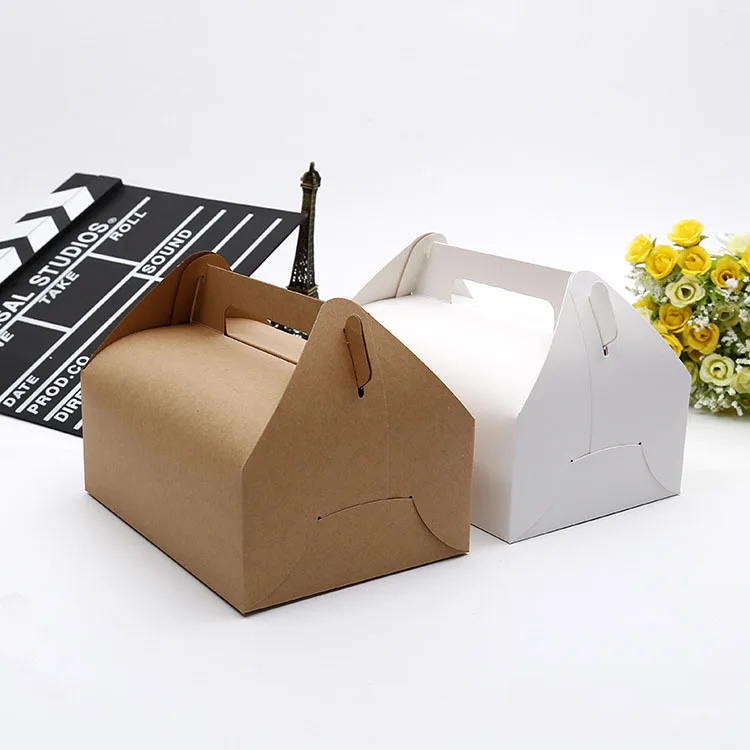
Start with the shipping box, not the logo
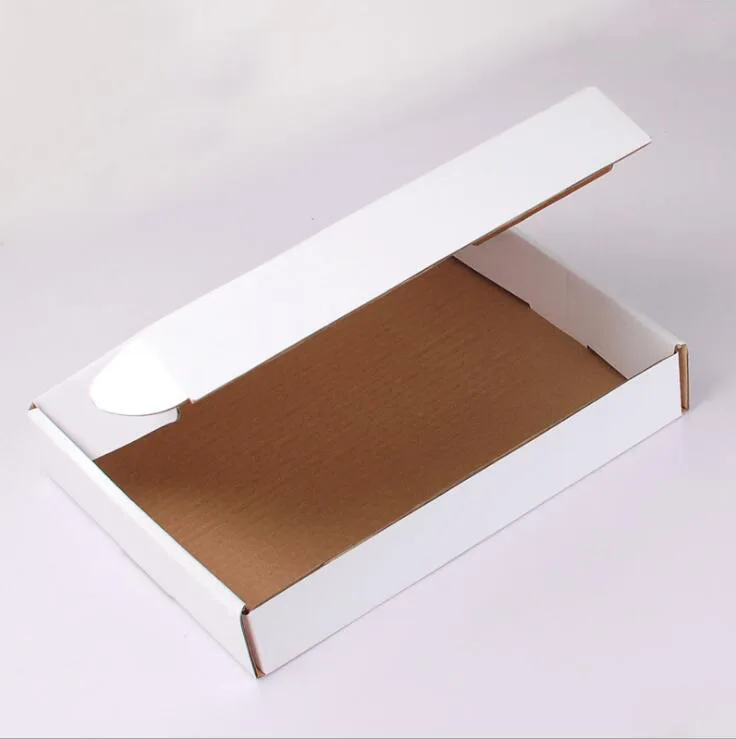
The outer mailer does the heavy lifting. Most baked-goods subscriptions ship in a corrugated mailer, a corrugated board (E, B, or F flute) wrapped with white card, kraft, or a specialty paper. Corrugated is the right call when the product is fragile or the parcel rides a long cross-country route. It folds flat for freight, prints cleanly on the outer liner, and absorbs the bumps that would shatter a thin folding carton. A common rookie mistake is ordering a mailer one size up "just to be safe"; that extra centimeter is air you pay to ship twice.
| Option | Best for | Freight | Note |
|---|---|---|---|
| Corrugated mailer (E/B/F flute) | Fragile bakes, long routes | Flat-ship, light | Outer liner prints your brand |
| Folding carton + outer shipper | Retail add-on tier | Flat-ship | Needs a protective outer box |
| Rigid / collapsible magnetic | Premium gift tier | Assembled (flat for collapsible) | Heavier, higher freight |
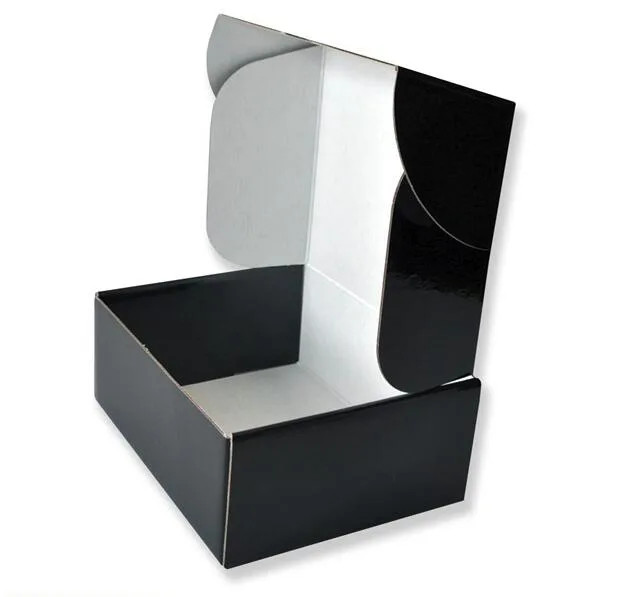
Why kraft reads "artisan" (and when it doesn't)
Kraft board carries a natural, unbleached, rustic signal that fits sourdough, shortbread, and small-batch granola. For many bakery brands that handmade feel is the brand. But kraft shows print less crisply than white SBS, especially at small text sizes or brand-critical colors. If your logo must render exactly, ask for a white outer liner with a kraft interior, or run a short Pantone test before a full run. Neither kraft nor white is inherently "more eco", mono-material recyclability matters more than color.
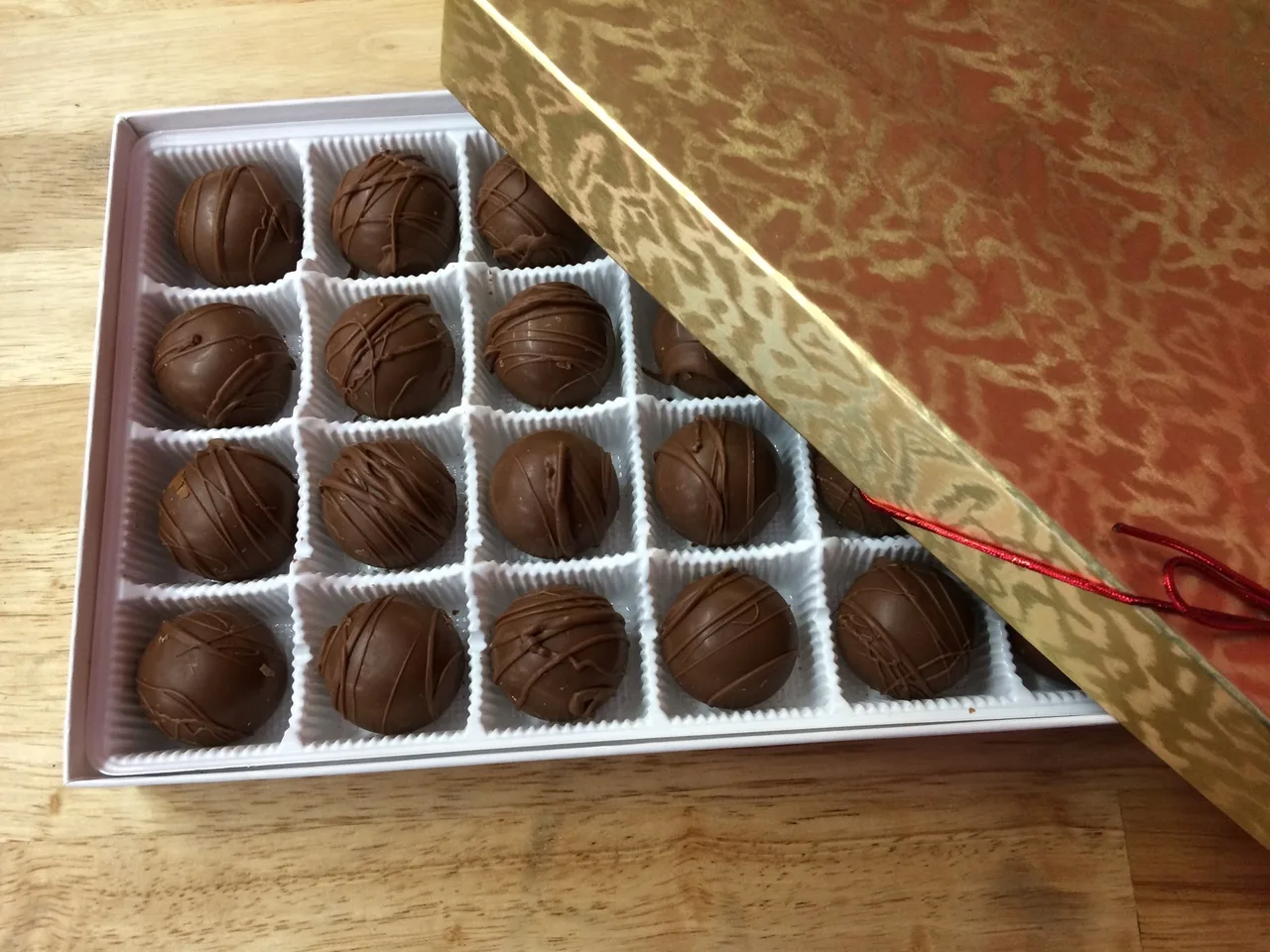
Inserts: the difference between "fresh" and "broken"
Cookies and brittle need to stay put. A simple cardboard insert tray, or a die-cut corrugated divider, stops pieces from rattling and keeps a frangipane tart from sliding into the wall. For confectionery like chocolates or truffles, a molded insert cradles each piece. Inserts add a dieline and a little cost, but they are what turn a "shipped fine" into a "shipped fresh." You might wonder whether 100 pieces means flimsy inserts, it doesn't; insert board weight scales with the product, not the order size.
Right-size, or pay for air
Right-sizing the box to the product and its insert is one of the fastest freight savings in packaging. Our free dieline service lets you specify the exact inner dimensions at a 100-piece minimum, so the test run is already optimized. A subscription with a fixed ship date should lock the box two to three weeks ahead to absorb finishing and peak-season delays. It is tempting to over-pack for safety, but a snug box protects better and costs less to send.
Food-safe board: what we can and can't claim
We use paperboard and inks commonly specified for dry baked-goods contact, and our Guangzhou workshop holds ISO 9001 quality management certification (certificate available on request). We are also a High-Tech Enterprise (certificate no. GR202544012474, valid from 2025-12-19) and an SGS-audited facility. If your project calls for FSC-certified paper, we can source it from FSC-certified mills with chain-of-custody documentation available on request. What we won't do is overstate: a paper box is not a preservation system. For anything needing moisture or oxygen barriers, fresh bread or cream-filled items, you will need an inner food-grade liner or pouch, and we will tell you honestly when a paper mailer alone isn't enough.
Test at 100, scale when sell-through proves it
The old rule was 1000 to 3000 boxes minimum. That is dead capital for a brand still finding its flavor. Our standard MOQ is 100 pieces across most box types, which lets a bakery validate the unboxing with real customers, then reorder at 500 or 1000 once the subscription sells through. Because we are a factory with in-house printing, the same dieline and board carry from the test run straight into the larger order, no re-tooling, no color drift. Unlike many marketplace "suppliers," we are the manufacturer, not a trader reselling the same Guangzhou boxes at a markup.
A realistic note on lead time
Plan for 7 to 12 working days after artwork approval for production, plus transit. Sampling adds a little more if you want a printed pre-production piece rather than a free blank mock-up. If you are weighing a US print-on-demand service against a Guangzhou factory, be honest about the trade: POD is faster and lower-risk for a tiny first run, while a direct factory like ours is more competitive per box from 100 pieces up and offers far more structural freedom, rigid, collapsible magnetic, folding, and corrugated alike. See how durability and unboxing work together for subscription brands. Explore customizable packaging options.