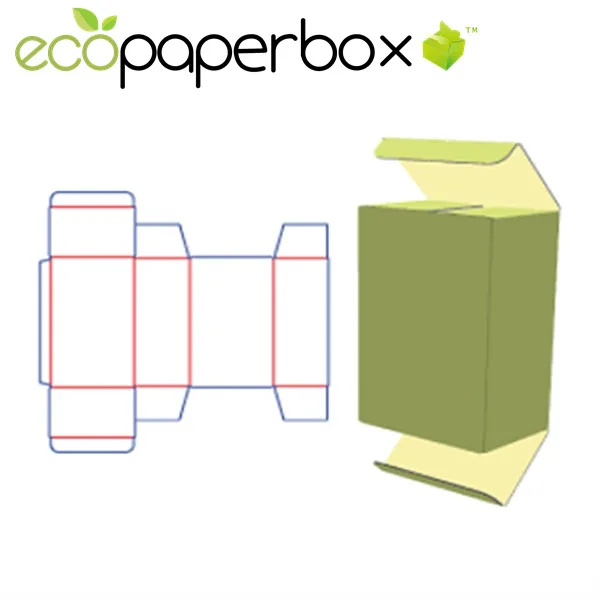
Launching a skincare line in the US usually starts small: a few hundred units on Shopify, a waitlist on Instagram, maybe a wholesale lead who wants to see a real box before committing. The packaging problem shows up fast. Many US printers quote minimums that assume you already sell thousands a month, and the "custom" boxes they offer are often plain. This guide walks through what actually works for a small-batch skincare brand, and what a Guangzhou factory with in-house printing can do at low volume.
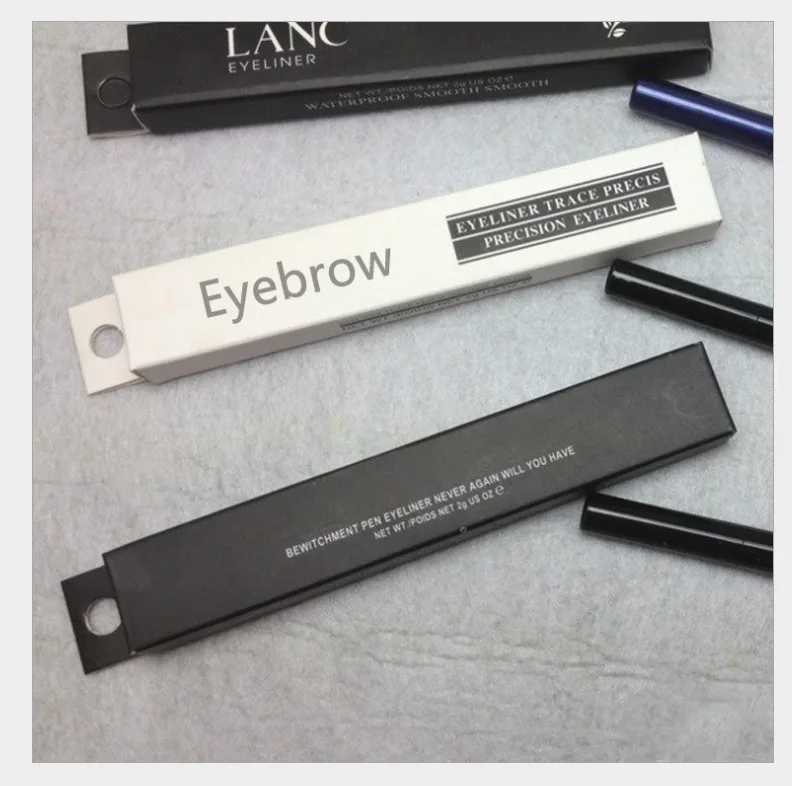
Why MOQ of 500 changes the math for a skincare launch
MOQ (minimum order quantity) is the floor a factory will produce in one run. For years the industry norm sat at 1,000 to 3,000 pieces, which forced new brands to tie up real cash before they knew a formula would sell. At Ecopaperbox the standard MOQ is 500 pieces across most box types. That lets you print 100 serum cartons, validate the unboxing with real customers, and reorder at 500 or 1,000 once sell-through is proven. The cash risk is a fraction of what a 1,000-piece order demands, and you are not left with a garage of boxes if a scent underperforms.
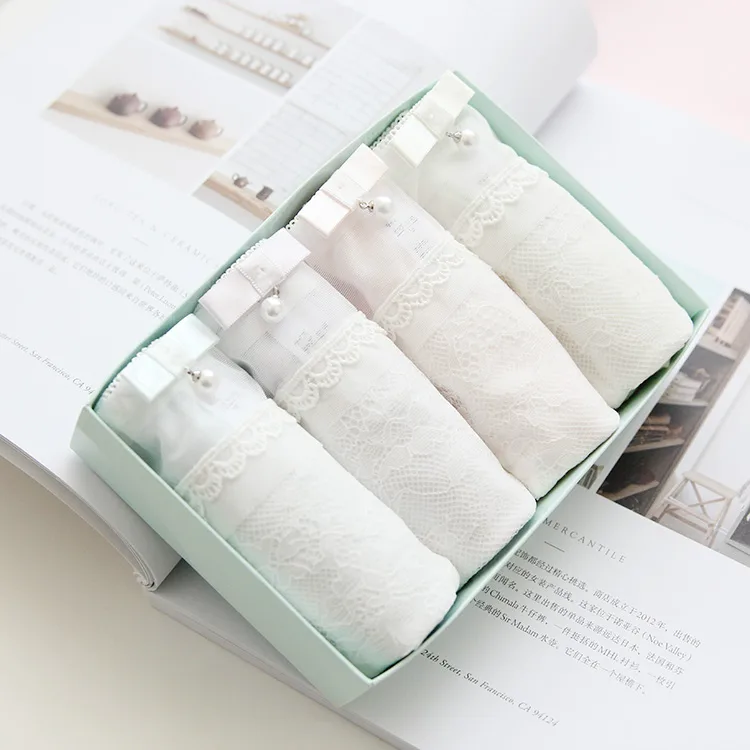
Rigid or folding? Match the box to the product
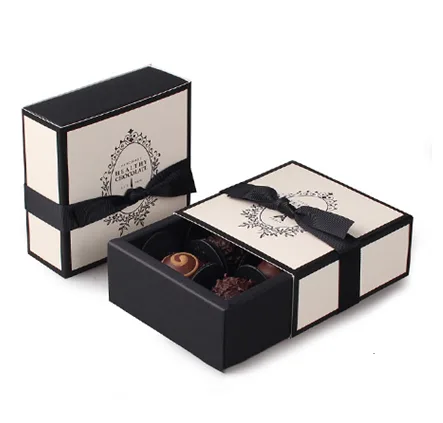
Serums and creams are low-weight but high-perceived-value, so the box does emotional work. A rigid box (greyboard at 1,000 to 1,500 gsm wrapped with 157 gsm C2S art paper or a specialty paper) reads as premium and ships ASSEMBLED; it arrives as a finished box. A collapsible magnetic box uses the same greyboard-and-paper construction with hidden magnets and is the only rigid type that folds flat for shipping, which saves meaningful freight. For gift sets and multi-item kits, a folding carton in SBS white card or kraft ships flat and costs less per unit. Neither is universally right; it depends on margin and how much the unboxing moment matters to your brand.
The flat-ship trick that cuts US freight
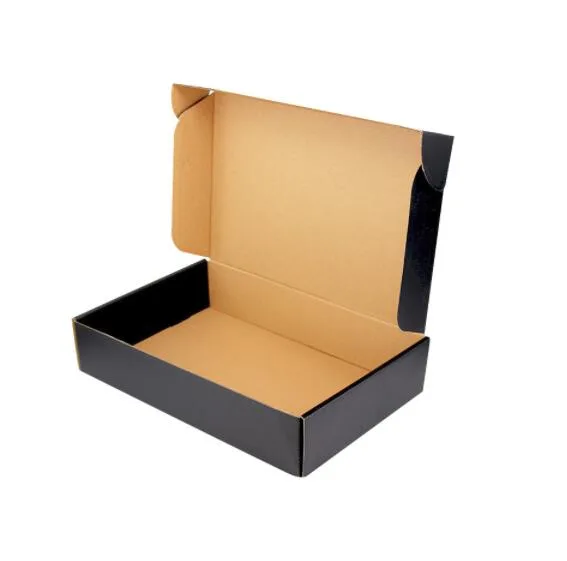
Freight to the US is usually the silent budget-killer. A fully assembled rigid box is bulky and heavy; a folding carton or corrugated mailer lies flat and stacks tightly in a container. If you want the rigid look without the rigid freight, the collapsible magnetic box is the move: same greyboard core, but it ships flat and your team or a 3PL pops it together in seconds. For ecommerce shipment of sets, an E-flute corrugated mailer wrapped in white card or kraft protects the product and prints cleanly. Never assume a non-collapsible rigid box can flat-ship; it cannot.
DDP to the US: one landed price, no surprises
Shipping terms matter more than most first-time buyers realize. EXW (ex-works) looks cheap on a quote because it stops at the factory gate; you then arrange freight, insurance, and US customs duty yourself, and any hiccup lands on your plate. DDP (delivered duty paid) means the factory handles freight and duty and quotes one landed price to your door. For a small brand without a freight forwarder, DDP is usually the fairer number to plan around. Ecopaperbox ships DDP to the US, so the price you approve is the price that arrives. The honest caveat: if you already have a trusted forwarder, EXW can sometimes land lower, so it is reasonable to ask for both quotes.
In-house printing, certifications, and when a US POD fits better
Color is where skincare brands get burned. A trading company subcontracts print and loses control of consistency; a factory with its own offset presses controls color batch to batch and can match a Pantone spot color for brand-critical shades. Lead time after artwork approval is typically 7 to 12 working days. The honest caveat: screen-to-print is never a perfect match, and highly saturated neons are harder to hit than muted naturals, so send a physical reference if the shade is mission-critical. Ecopaperbox holds ISO 9001 quality certification for its Guangzhou workshop (certificate copy available on request), is certified as a High-Tech Enterprise under China's designation (certificate no. GR202544012474, valid from 2025-12-19 for three years), and operates an SGS-audited facility.
Factory-direct is not always the answer. If you need 25 boxes by Friday for a photoshoot, a US print-on-demand service like Arka or Packlane is faster and avoids transpacific freight entirely; you pay more per unit, but you get them in days. Noissue is another easy option for stickers and mailers with an eco brand ethos. The trade-off is unit cost and structural limits: POD configurators offer fewer rigid and magnetic styles than a factory can build to spec. A practical split many brands use is POD for urgent tiny runs and sampling, factory-direct at 100 or more for real inventory. And if you scale past 5,000 pieces, stay with the same factory rather than jumping to a marketplace; many "suppliers" on platforms resell the very same Guangzhou boxes at a markup.
Ready to spec your first run? Start with our low-MOQ guide and the rigid vs folding comparison to pick the structure that fits your product and freight budget.