
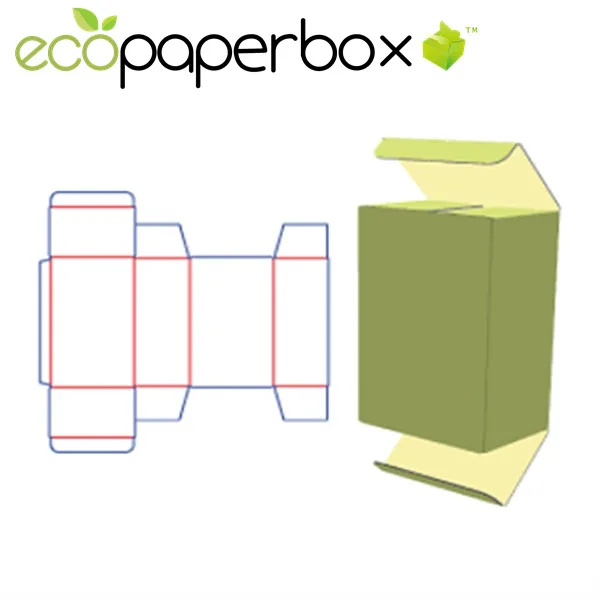
When you spec a folding carton, the single number that drives feel, protection, and price is board weight — measured in grams per square meter (gsm). For SBS (solid bleached sulfate) white card, the three weights buyers ask about most are 250, 300, and 350gsm. This guide explains what each one actually feels like in the hand, what products it suits, and where the line is between "sturdy folding" and "should have been a rigid box."
| Weight | Best for | Typical product weight | Feels like |
|---|---|---|---|
| 250gsm | Light, low-risk items, insert cards | up to ~200–300g | Light, flexible |
| 300gsm | Everyday retail & subscription | ~300–800g | Balanced, stands up |
| 350gsm | Heavier or premium-feel folding | 800g+ | Substantial, near-rigid |
250gsm SBS — Light Items and Insert Cards
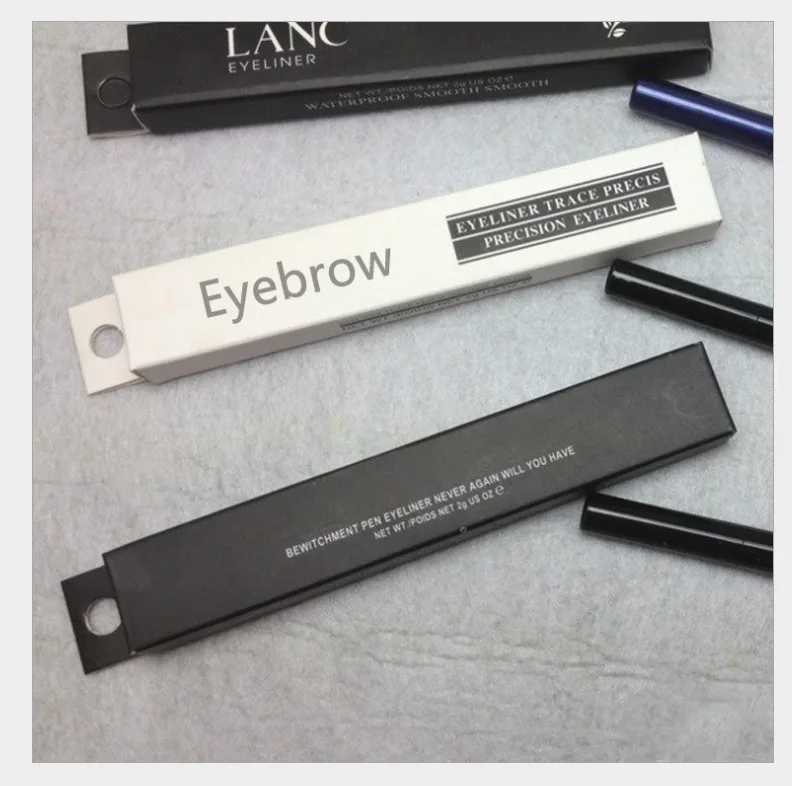
At 250gsm, SBS folds into a box that is light and a little flexible. It is the right call for low-weight products: lip balm, sachets, blister packs, small cosmetics, insert cards, and soap wraps. Print quality is excellent because the surface is smooth and bright, so brand colors stay true.
The trade-off is stiffness. A 250gsm carton will not hold a heavy object without buckling, and it can feel insubstantial if your product is meant to read as premium. If you are launching a test run, 250gsm keeps unit cost down and ships flat easily. Just keep the product under roughly 200–300g per unit.
300gsm SBS — The Everyday Standard
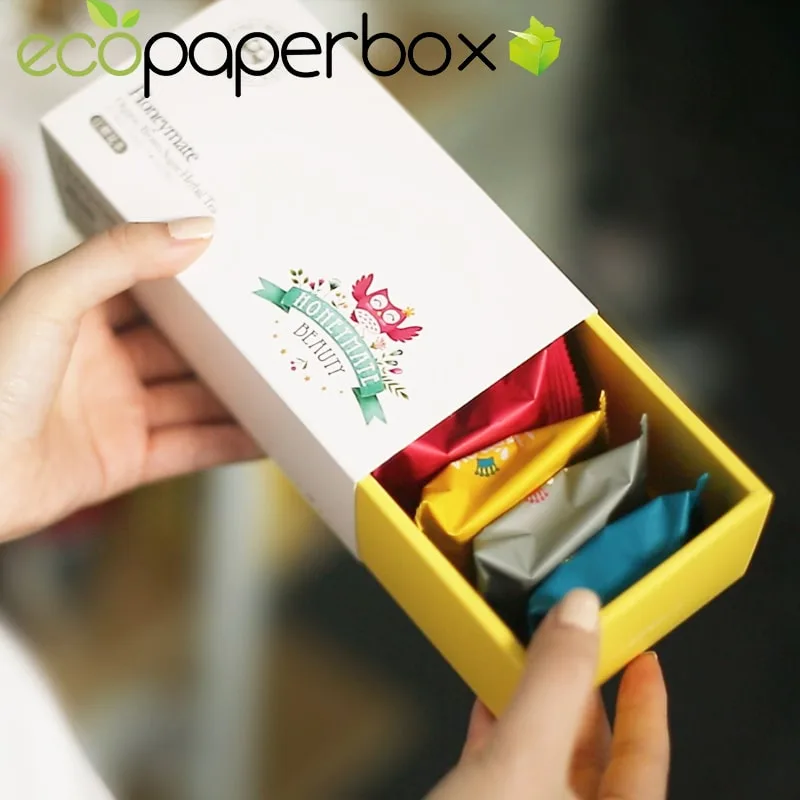
Most folding cartons you meet day to day are 300gsm SBS. It is the default for retail packaging: tea sachets, confectionery, electronics accessories, small apparel items, and subscription inserts. It creases cleanly, stands up on a shelf, and survives normal handling without looking tired.
This is the weight we recommend most often for a first order. It balances cost, sturdiness, and print surface, and is the safest "I don't want to overthink it" choice. A 300gsm carton handles products in the 300–800g range comfortably. See our folding carton boxes for typical styles.
350gsm SBS — Heavier Products and a Rigid Feel
At 350gsm, SBS starts to behave almost like thin rigid board. The carton feels substantial, resists denting, and holds heavier or bulkier items — think several cookies, a candle-tin set, or a small gift bundle. Some buyers choose 350gsm specifically because it delivers a near-rigid impression at folding-carton price and freight.
The cost is weight and price per sheet, plus slightly tighter die-cutting tolerances. It still ships flat (unlike a true rigid box), so you keep the freight advantage. Use 350gsm when the product exceeds ~800g or when the unboxing needs to feel more expensive than a standard folding carton allows.
SBS vs Kraft, and When to Step Up to Rigid
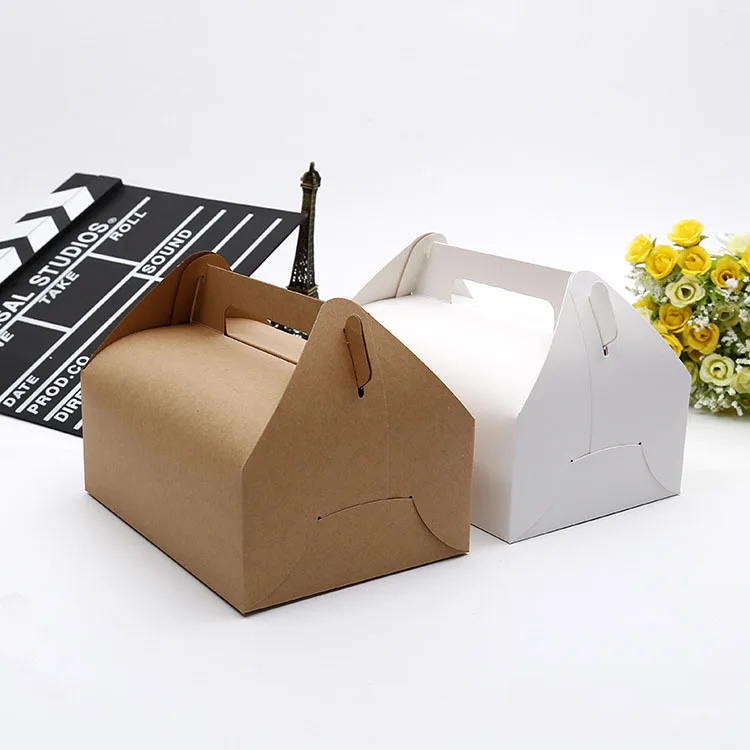
SBS is the white, bright, print-clean option. Kraft (recycled-look brown board) is the rugged, natural alternative and is chosen across the same weight ranges — pick kraft when the brand story is handmade or eco-leaning, SBS when you need accurate color and a clean look. Both are folding-carton stocks and both ship flat; neither is a rigid box.
If your product is genuinely heavy, fragile, or premium-positioned, a folding carton at any gsm will eventually hit its limit. That is the moment to step up to a rigid box — greyboard (1000–1500gsm) mounted with 157gsm C2S art paper — which ships assembled and feels unmistakably luxury. A collapsible magnetic rigid box gives the same premium build but folds flat for shipping. Rule of thumb: folding carton up to ~800–1000g and a moderate price point; rigid above that.
Right-Sizing Beats Heavy Board
A common mistake is reaching for 350gsm whenever a product feels "important," then watching freight creep up because the carton is both heavier and often larger than it needs to be. Board weight and box dimensions are separate levers. A snug 300gsm carton that hugs the product usually protects better than an oversized 350gsm one full of void fill.
Before you step up a weight, check the dieline. Trimming even 10mm off each side reduces material and shipping volume more than dropping a weight class, and it keeps the unboxing tight. At our Guangzhou factory we offer free structural design, so you can spec the exact size at a 100-piece minimum and test the fit before scaling.
Specifying Thickness at Low MOQ
Board weight is only one line on a dieline spec, and getting it wrong is cheap to fix at the design stage. At Ecopaperbox, a Guangzhou factory with in-house offset printing, the standard minimum order is 100 pieces across most folding-carton styles — a floor that lets you test 250, 300, or 350gsm with a small, low-risk run before committing to a larger batch. Lead time is typically 7–12 working days after artwork approval.
We are not a trading company reselling someone else's boxes; the printing, lamination, die-cutting, and hand assembly happen in our own workshop, which keeps overhead low and consistency high from 100 to 5000+ pieces. Our Guangzhou facility holds ISO 9001 quality certification, High-Tech Enterprise recognition (certificate no. GR202544012474, issued 2025-12-19, valid three years), and is SGS-audited. FSC-certified paper can be sourced from FSC-certified mills for projects that require it, with chain-of-custody documentation available on request.
If you are comparing options, online print-on-demand services such as Packlane, Arka, or Noissue are fast and easy for very small runs, but unit price climbs quickly and structural choices are limited. A Guangzhou factory like ours is the better fit once you know your spec and want consistent quality at volume.