
Soft-touch lamination (sometimes called velvet or suede lamination) is a thin matte film pressed onto the printed paper after printing. Run your thumb across it and the box feels like brushed velvet rather than shiny card. It is a surface finish, not a paper grade. On a rigid box it sits over the 157 gsm C2S or specialty paper that wraps the greyboard core; on a folding carton it sits over the SBS board. Designers reach for it because it is one of the few finishes that changes how a box feels, not just how it looks, and feel is the part customers remember.
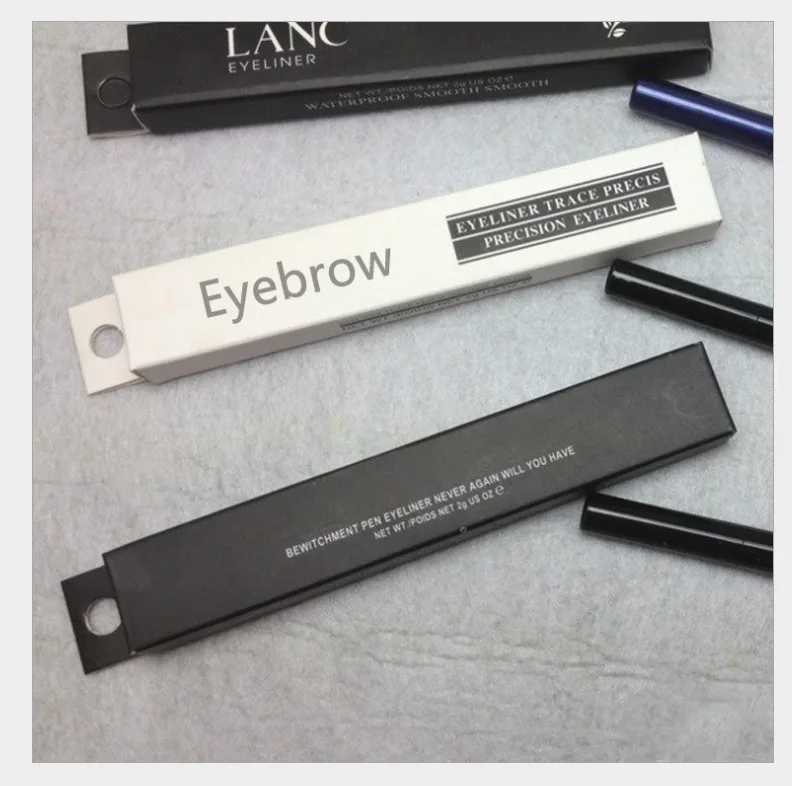
How it is applied in the workshop
The film is laminated onto the printed sheet before the box is cut and folded. Because it is a film, it also seals the print underneath, which is why soft-touch boxes resist scuffing better than an uncoated or spot-UV surface. Our Guangzhou workshop runs an ISO 9001 quality system and is SGS-audited, so lamination adhesion is checked before boxes ship. As a factory with in-house printing and lamination, we apply the film on our own presses rather than subcontracting it out. One practical note: soft-touch is a film, so it cannot be spot-applied the way foil or UV can. You either laminate the whole printed sheet or you do not, and that all-over coverage is part of why the effect looks uniform and expensive.
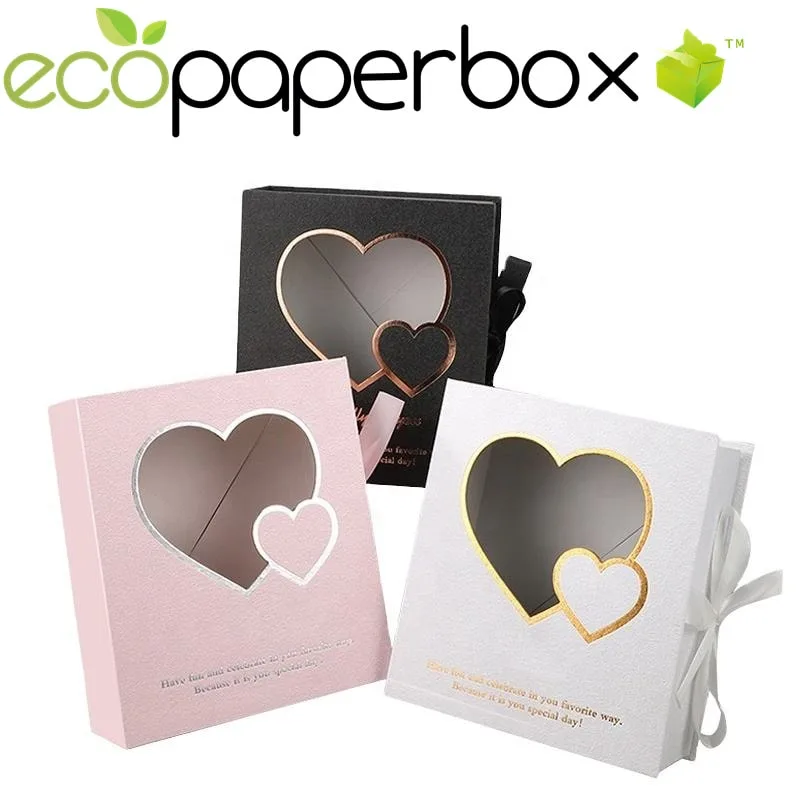
When soft-touch genuinely earns its keep
It pays off most on products where the unboxing is part of the brand: premium cosmetics, jewelry, tech accessories, and gift sets. A velvet surface reads as considered and expensive without any foil or print trick. For a collapsible magnetic box built on greyboard and art paper, soft-touch is the finish that makes the structure feel as good as it looks. The same film works on a standard rigid box, which ships assembled, and on the fold-flat magnetic variant.
As a rule of thumb, soft-touch returns the most when the box costs more than the sticker on it. A forty-dollar candle in a three-dollar box is a place where the finish pays for itself in perceived value; a six-dollar soap in a forty-cent carton is not. The finish is a margin play, not a volume play, which is exactly why it suits a 100-piece test run where you validate price perception before committing to a larger print.
- Beauty and skincare: serums and palettes feel like department-store counter products.
- Gifting: a velvet lid signals "keep the box," which extends brand impression at home.
- Tech and accessories: the matte surface hides fingerprints better than gloss on a device pouch.
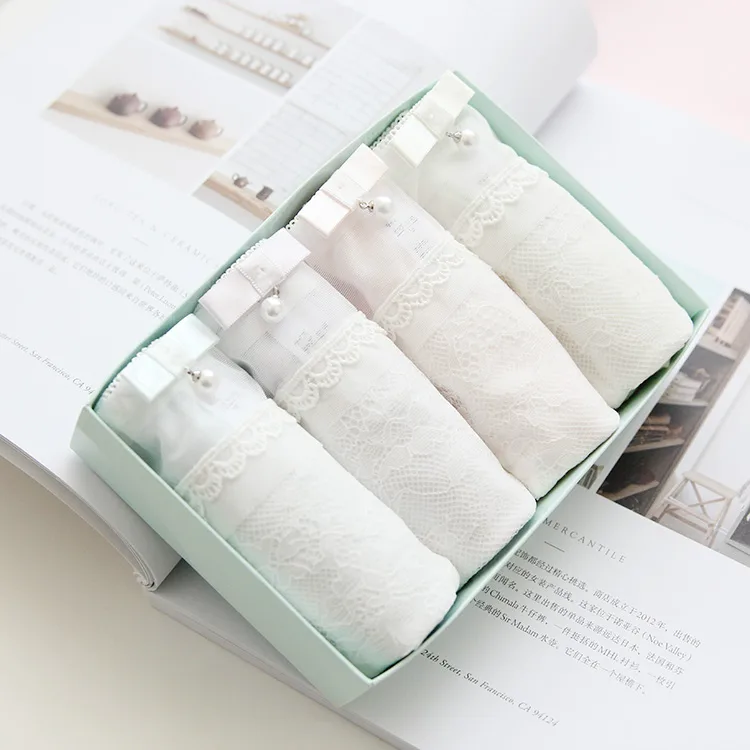
The honest tradeoffs
Soft-touch is not free, and it is not always the greener pick. Three things to weigh before you spec it.
- Cost: the film and the extra lamination pass add to the unit price. At a 100-piece test run the uplift is noticeable but manageable; across 5,000 pieces it is a real line item. As a Guangzhou factory we keep that uplift lower than a trader who resells the same box, but it is still there.
- Recyclability: a plastic film over paper makes the board slightly harder to recycle than an uncoated or water-based-matte sheet. If mono-material recyclability is your priority, see our guide on what recyclable packaging actually requires and ask about a matte aqueous coating instead.
- Fingerprints on dark colors: on black or deep navy, soft-touch can show oily marks more than a true matte. A lighter color hides this better, though the worry is easy to overstate. Order one black soft-touch sample and one matte-laminated black sample and handle both for a week; most buyers who worry about it end up choosing a mid-tone color and never see the problem.
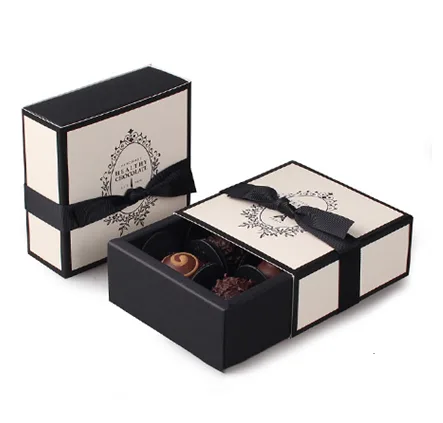
Soft-touch vs the other matte options
Buyers often confuse soft-touch with plain matte lamination. They feel different and cost differently.
| Finish | Feel | Cost | Suited for |
|---|---|---|---|
| Soft-touch film | Velvet, slightly rubbery | Higher | Premium gifting, beauty |
| Matte lamination | Flat, smooth, papery | Moderate | Everyday premium look |
| Aqueous matte coat | Smooth, low sheen | Lower | Eco-priority runs |
| Uncoated | Raw paper tooth | Base | Kraft, natural brands |
When to skip it
Soft-touch is the wrong call for high-volume shipping mailers, where freight and per-unit cost dominate and a corrugated mailer with plain print does the job. It is also the wrong call if your whole pitch is plastic-free: the film works against that story. For kraft subscription or bakery boxes, the natural board texture already feels good and needs no film at all.
A practical way to decide
Spec soft-touch when the box is seen and touched before the product is: gift, beauty, or premium tech. Skip it when the box is a transit shell or an eco statement. If you are unsure, order a free blank sample first to feel the difference in your hand before committing a run. At Ecopaperbox, standard MOQ is 100 pieces, so you can test a soft-touch lid on a small batch and scale only after the unboxing lands. Lead time is typically 7-12 working days after artwork approval.