You have probably seen both "rigid box" and "setup box" used for the same kind of premium packaging — the thick, sturdy, luxury gift box that shows up already assembled. They are not two different products. They are two names for one product, and the gap between them is mostly historical. This guide clears up the terminology, shows what a rigid box is actually built from, and explains when paying for one makes sense for your brand.
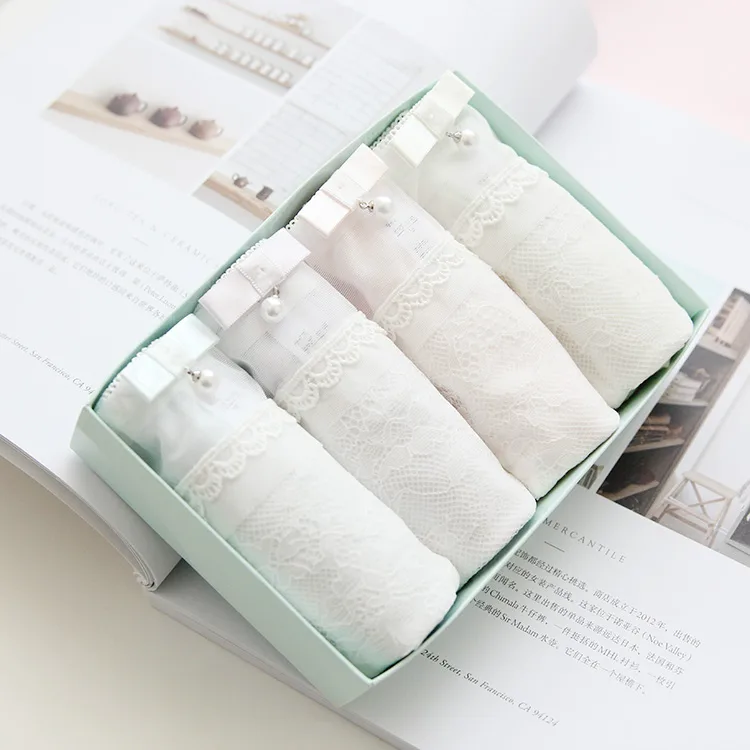
So what is a "setup box"?
The term "setup box" comes from older packaging-plant slang. A folding carton ships flat and gets "set up" — folded and glued — by whoever uses it, whether at a filling line or by the end customer. A rigid box, by contrast, is glued, squared, and assembled at the factory, then arrives at the packing line already "set up." In plant language that made it a setup box.
So when a supplier quotes a setup box, they mean the rigid box: greyboard core, paper wrap, permanent shape, no folding required. There is no difference in material, cost structure, or appearance. If you ever see the two terms side by side in one quote, treat them as the same line item — and ask the supplier to confirm rather than assume you are being offered two separate products.
What a rigid box is actually made of
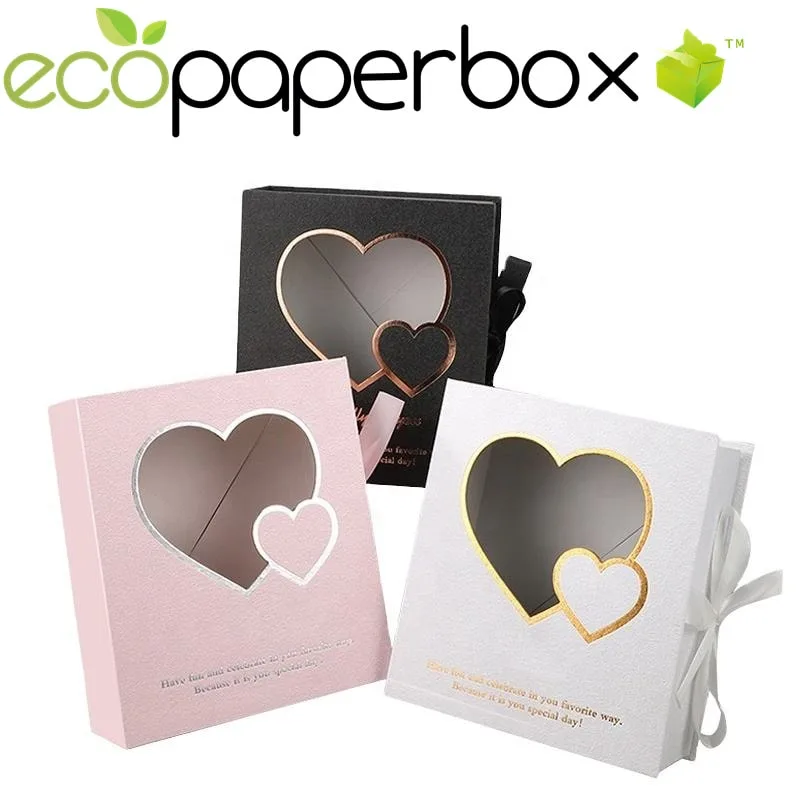
This is where buyers get misled. A rigid box is not made from thick cardstock like a folding carton. It is built from greyboard — a dense, unbleached paperboard typically weighing 1000 to 1500 gsm — wrapped on the outside with a printed sheet, usually 157 gsm C2S art paper or a specialty paper (textured, soft-touch, kraft-faced, and so on). The wrap is what you see and print on; the greyboard is what gives the box its weight and resistance to crushing.
Because the structure is built by hand-laminating greyboard and wrapping it, a rigid box ships assembled and takes up full volume in transit. That is the trade-off for the premium feel. Never let anyone describe a rigid box as "white card," "SBS core," or "kraft core" — those are folding-carton materials, and calling a rigid box by those names usually signals a supplier who does not actually manufacture rigid boxes.
The flat-ship exception: collapsible magnetic boxes
There is exactly one rigid-box type that does not ship assembled: the collapsible magnetic box. It uses the same greyboard-and-paper-wrap construction, but the walls are hinged and held shut with hidden magnets, so it folds flat for shipping and pops into shape on arrival. It is the only rigid style that saves freight this way.
Everything else in the rigid family — lid-and-base, drawer, book-style, neck boxes — ships fully assembled. If a supplier tells you a standard rigid box "flat ships," either they mean a collapsible magnetic version specifically, or they are describing a folding carton, not a rigid box. Clarify which one you are getting, because the freight difference is significant.
Rigid vs folding: the mix-up that costs buyers
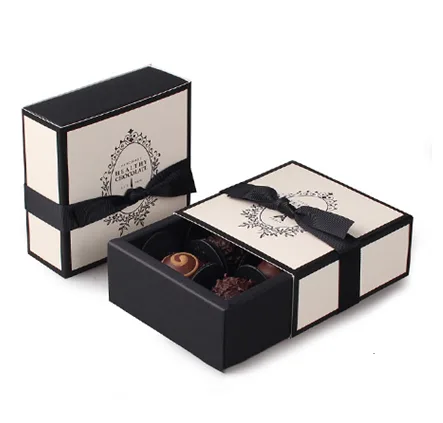
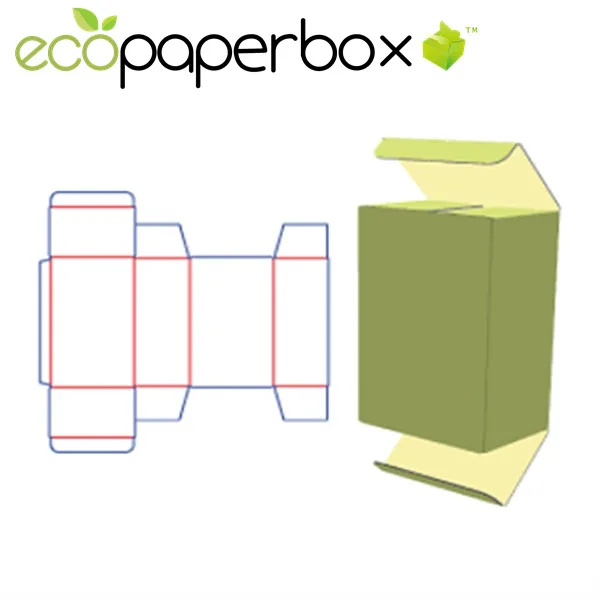
The most expensive mistake here is ordering a "rigid box" and receiving a heavy folding carton, or the reverse. A folding carton — SBS white card, kraft, or lightweight corrugated — is printed, die-cut, and shipped flat; it is light, cheaper, and freight-friendly, but it feels flimsy next to true greyboard. A rigid box feels substantial but costs more per unit and ships heavy.
A quick field check: if the box arrives flat and you fold it yourself, it is a folding carton. If it arrives as a finished, solid object, it is a rigid (setup) box. Match the structure to the product — a $15 soap does not need a rigid box; a $200 skincare set often does.
When a rigid box is worth the freight — and where to get one
Use a rigid or collapsible magnetic box when the unboxing is part of the product: luxury gifts, premium cosmetics, jewelry, wine, and corporate presentation kits. For everyday ecommerce where the box is just transit protection, a folding carton or corrugated mailer is the smarter spend.
Low volume used to force a choice between overstocking rigid boxes or skipping them entirely. That has changed. At Ecopaperbox, a Guangzhou packaging factory with in-house offset printing, lamination, die-cutting, and hand assembly, the standard minimum order is 100 pieces across most box types — low enough to test a rigid design without committing to the 1,000 to 3,000 units the industry used to require. Typical lead time runs 7–12 working days after artwork approval.
As a manufacturer rather than a trading company, we keep overhead low and quality consistent from a 100-piece test run up to bulk orders. Our Guangzhou workshop holds ISO 9001 quality-management certification (certificate available on request), is certified as a High-Tech Enterprise under China's designation (certificate no. GR202544012474, valid from 2025-12-19 for three years), and is SGS-audited. Where a project calls for responsible fiber, we can source FSC-certified paper from FSC-certified mills, with chain-of-custody documentation available on request.
If you are deciding between structures, our comparison of rigid vs folding boxes lays out the cost and freight trade-offs in more detail, and our custom packaging options show the range we build in-house.