
Why a Bottle Is a Packaging Problem
A wine or spirits bottle is one of the harder objects to package well. It is heavy for its size, it is fragile, and its round shape wants to roll. A single 750 ml glass bottle can weigh close to 1.4 kg, and a dropped bottle is not just a lost product — it is broken glass, a stained carton, and a refund. Good bottle packaging really does three jobs at once: protect the glass, present the brand, and survive the journey from cellar to customer.
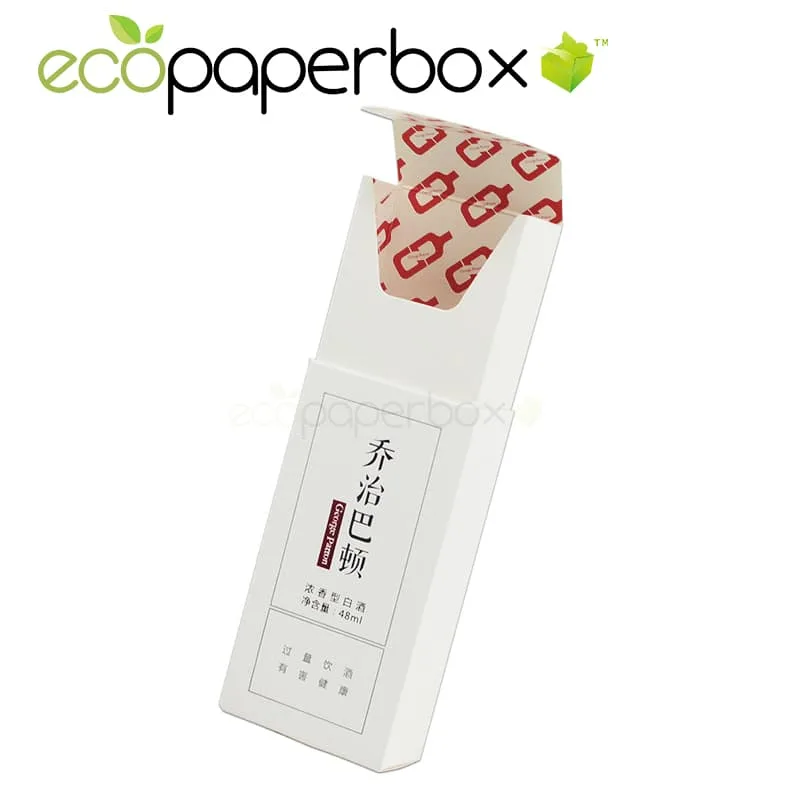
Most buyers start by asking about the outside print, but the structure does the heavy lifting. Get the box type and the insert right, and the print becomes the easy part.
The Rigid Bottle Box
For premium wine, whisky, and spirits gift sets, the standard is a rigid bottle box. This is built from greyboard — a dense paperboard in the 1000–1500gsm range — mounted with 157gsm C2S art paper or a specialty paper on the outside. The result feels solid in the hand and opens like a presentation case. These boxes ship assembled, which is part of why they read as premium.
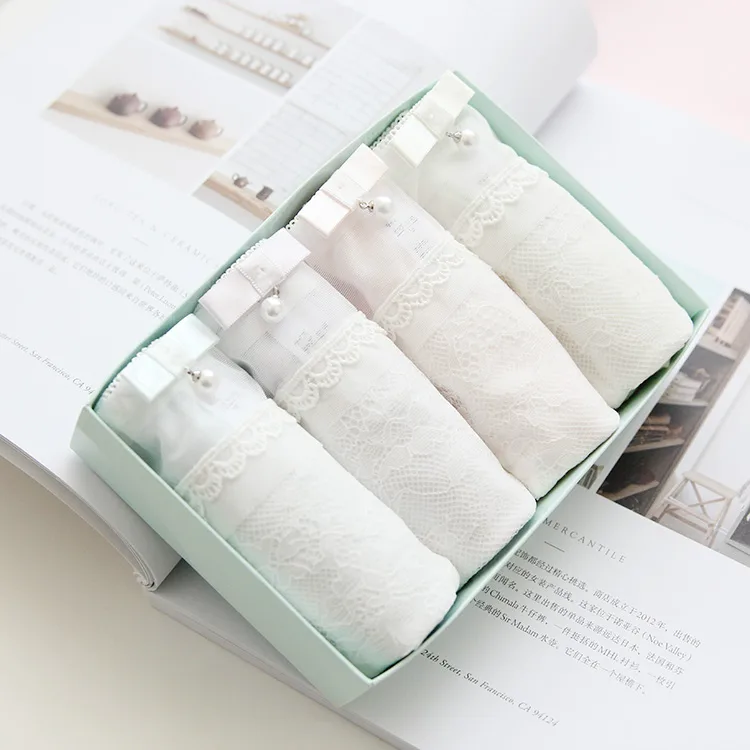
There is one important exception worth knowing: the collapsible magnetic box is a rigid box built to fold flat. It uses the same greyboard-and-art-paper construction with hidden magnets, so it still looks like a rigid box on the shelf but ships flat to save freight. If you want the rigid look but ship in volume, that is usually the smarter pick. We cover the trade-off in our guide to collapsible magnetic boxes.
Inserts That Actually Hold the Bottle
A rigid box without an insert is just an empty shell. The insert is what stops the bottle from moving. Three options dominate:
- EVA foam: die-cut to cradle the bottle's neck and base. Soft, protective, and easy to print or foil-stamp. A good fit for single high-value bottles.
- Blister (vacuum-formed) tray: a clear or tinted plastic mold that grips the bottle's contour. More "retail ready" but adds a plastic component.
- Cardboard divider / folded tray: the lightest and most recyclable. Two or four bottles sit in paper channels. Less cushioning than foam, fine for careful transit.
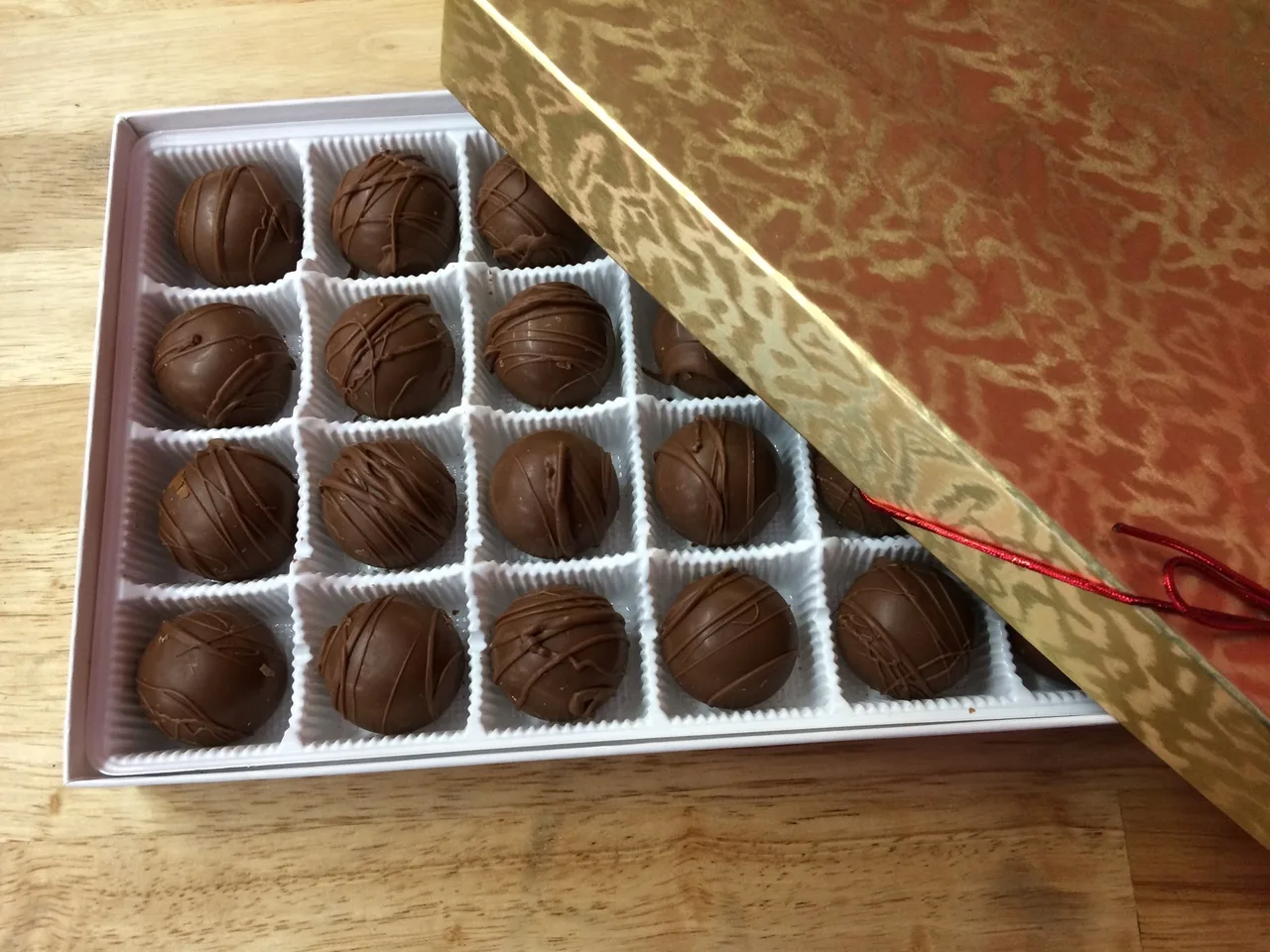
Match the insert to the bottle. A standard 750 ml fits a known cavity, but a wide champagne base or an oddly shaped craft spirit needs a custom die. Tell your supplier the exact bottle dimensions up front — guessing leads to rattle or, worse, a bottle that will not seat.
When a Corrugated Shipper Is Enough
Not every bottle needs a rigid box. If the goal is safe transit rather than gifting, a corrugated shipper does the job for less. Corrugated board — usually E, B, or F flute — wrapped with white card, kraft, or specialty paper gives you a shipper that absorbs impact and stacks in a warehouse. These ship flat and cost far less per unit than rigid construction.
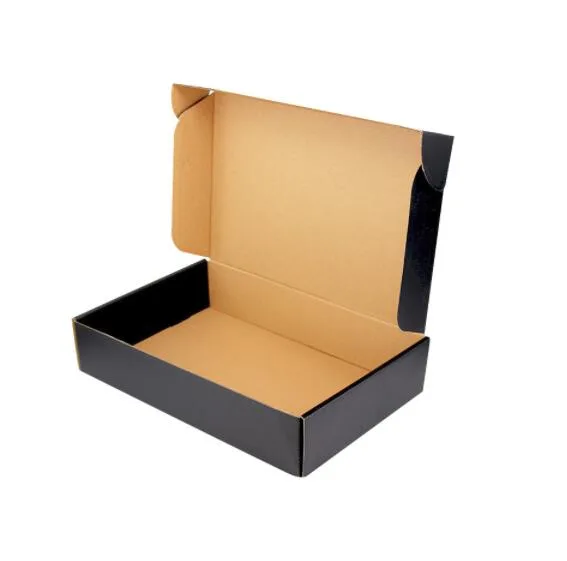
The honest trade-off: a corrugated mailer looks like shipping, not gifting. Many brands use both — a printed corrugated shipper for delivery, plus a rigid or folding carton inside for the unboxing. That two-layer approach is common for direct-to-consumer spirits.
Print, Finish, and the Unboxing
Spirits buyers respond to finish. A restrained foil stamp on the lid, a blind emboss of the distillery mark, or a soft-touch laminate all signal premium without shouting. The mistake is overdoing it: a fully foil-covered box reads dated rather than luxury. For a clean modern look, a one-colour foil on a deep matte ground tends to out-perform full coverage.
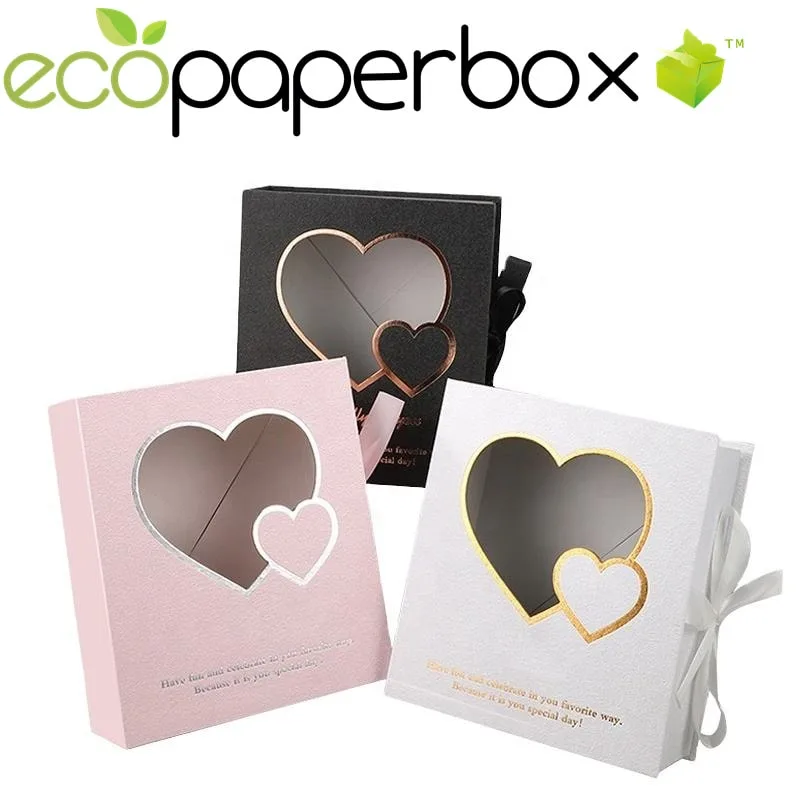
Colour control matters more here than almost anywhere else, because a spirit brand's identity often hinges on one exact shade. In-house offset printing lets us hold CMYK runs consistent and match brand-critical colours with Pantone spot inks where needed.
Common Mistakes Buyers Make
- Mismatched insert: specifying a generic insert instead of die-cutting to the actual bottle. Cheap to fix early, expensive once 1,000 boxes are printed.
- Under-specifying board: a thin rigid wrap on a heavy bottle can warp. Greyboard weight should scale with bottle weight.
- Ignoring freight: assembled rigid boxes eat container space. If you ship in volume, the collapsible magnetic variant or a flat corrugated shipper changes your freight math.
- Confusing terms: a rigid box is greyboard-based and ships assembled (except the collapsible magnetic type). It is never a "white card" or "kraft core" box — those are folding cartons that ship flat.
Working With a Factory
Ecopaperbox is a Guangzhou packaging factory with in-house offset printing, lamination, die-cutting, and hand assembly. We hold ISO 9001 quality management certification for our workshop, High-Tech Enterprise certification (certificate no. GR202544012474, valid from 2025-12-19 for three years), and our facility is SGS-audited. If a project calls for it, we can source FSC-certified paper from FSC-certified mills, with chain-of-custody documentation available on request.
Our bottle boxes and inserts start at an MOQ of 100 pieces (MOQ 100), so a small brand can test a holiday design or a limited release without committing to thousands. Typical production runs 7–12 working days after artwork approval. For fragile shipping specifically, see our notes on packaging that survives shipping — the same cushioning logic applies.