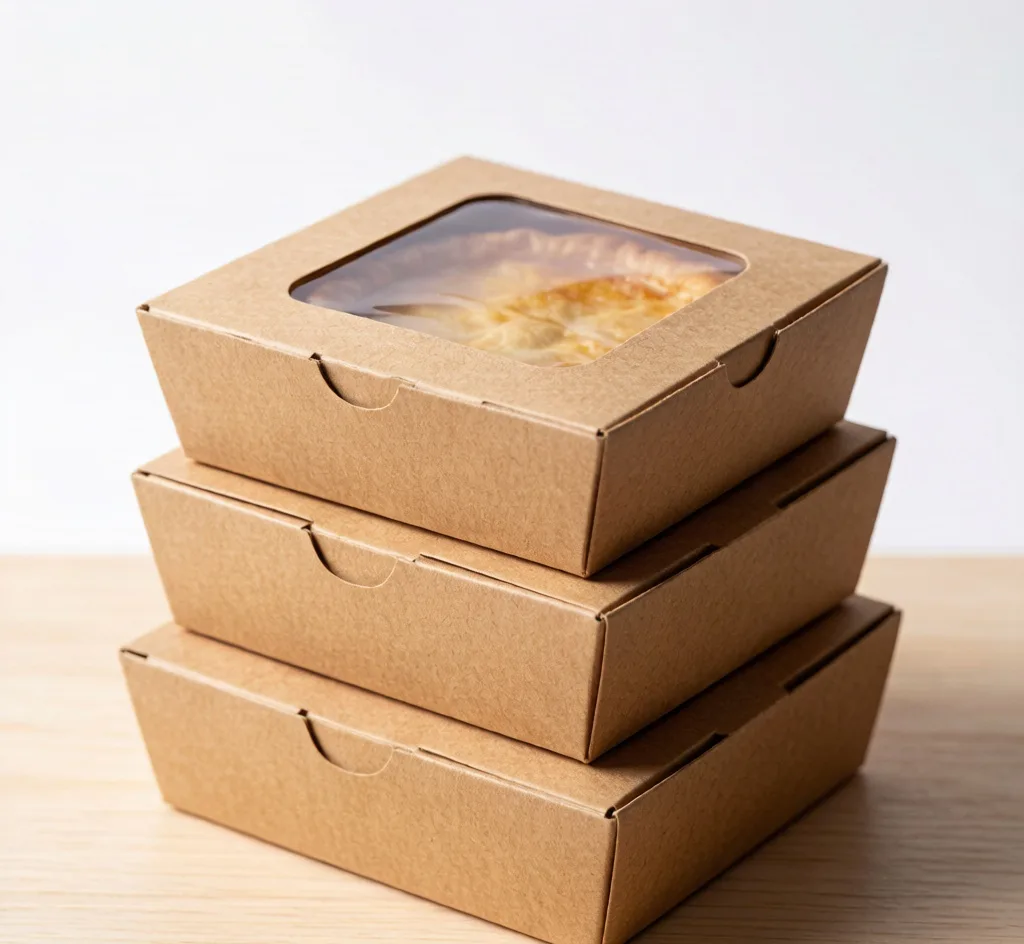
Eco-Friendly Pie Boxes with Window | PFAS-Free Bakery
- Material: Kraft board 350-400gsm, PFAS-free barrier
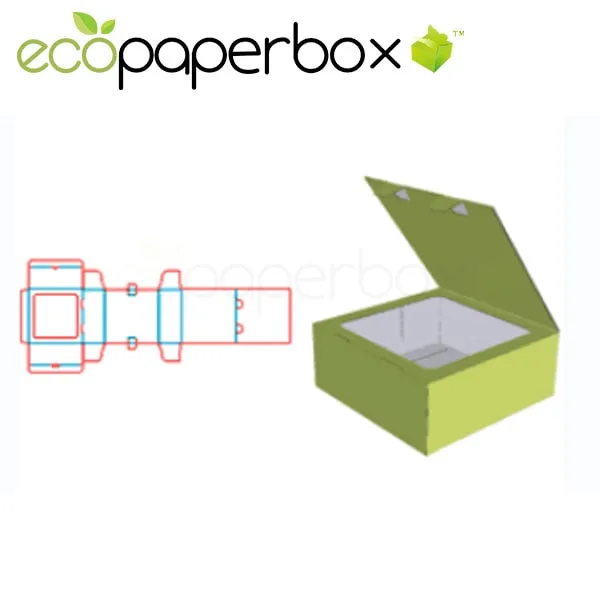
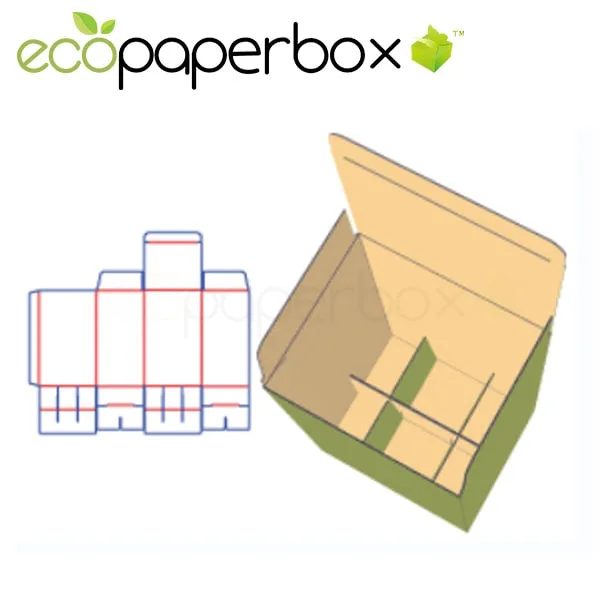
- Structure: Four-corner tray with window lid
- MOQ: 100 pcs
- Lead Time: 8-14 days | Free dieline
Eco-Friendly Pie Boxes with Window in recycled kraft paper. Custom-printed, free dieline, MOQ 100 pcs.
Our Advantages

No Die and Plate Charges For Digital Samples

High quality printing

Quick Turn Around

Starting from 500pcs

Custom size and style

Competitive Price

Free Design Support

To door delivery
REQUEST A QUOTE
COMPANY SERVICES
| Bigger Discounts Offer for large orders | Bigger Discounts Offer for large orders Prices are negotiable based on your purchase volume and Fixated prices can be offered based on frequency of the order. |
| After-service | Sample cost is refundable if it's not good quality as we promised!We will refund you the defected goods values as contract listed,if the defective goods are beyond as we contracted.Our goal is to have no bad feedback and keep doing business in the future! |
| Risk Free, Quality Assurance | We've Sate of the art production facility and all printed jobs are run through our strict quality assurance department, so there are no quality complaints. |
| Printed Method | We use Off-set printing to achieve excellent printing results. However, Digital and screen printing is also available depending on box requirements. |
| About Us | Guangzhou Ecopaperbox established in 2011 is undoubtedly an accredited manufacturer of custom boxes which are exactly according to the needs and desires of the clients. Our top priority is meeting the needs and requirements of our customers. Custom Packaging and printing are provided to the customers with excellent quality on the regular basis so that maximum benefit can be achieved in the minimum amount of time. All boxes that made of paperboard, we can produce. You are welcome to make inquiry via info@ecopaperbox.com and contact us at +8619927709433. |
What Is a Pie Box with a Window?
A pie box is a shallow, wide, flat-based carton built to carry a heavy, warm, fragile item without letting it slide. That combination is unusual in food packaging. A pie is dense for its size, it is often still warm when it is boxed, and it is structurally weak at the edge - so the base has to be rigid, the internal height has to be tight, and there has to be somewhere for steam to go.
The window is what turns it from a container into a display. Bakery buying is visual and largely impulsive, and a lattice top or a glazed crust sells itself far better through an aperture than through a printed illustration. On a counter, a windowed pie box measurably outperforms a closed one.
The failure mode to design out is condensation. A warm pie in a sealed box produces steam, the steam condenses on the underside of a cold window film, and the customer opens the box to a fogged panel and a soggy crust. The fix is vent holes plus a slightly loose lid, both decided at dieline stage - not a heavier board.
Which Industries Use This Box, and How It Is Specified
Pie boxes are specified by diameter and by whether the pie is hot or cold when it goes in.
| Industry / use case | How we normally spec it |
|---|---|
| Retail bakery counter | 350-400gsm kraft with a top window, printed on the outer face only, sized to standard pie tin diameters. |
| Hot savoury pies and pasties | PFAS-free grease barrier with generous vent holes. Grease is the main issue here, not weight. |
| Fruit and cream pies | Deeper wall with a taller internal clearance so the topping is not touched by the lid, PET window for clarity. |
| Quiche and tart boxes | Wider, shallower carton with a four-corner tray base for rigidity under a heavier filling. |
| Delivery and courier bakery | E-flute laminated board rather than folding board, because the pack is stacked and the base has to survive it. |
| Seasonal and gift bakery | Ribbon slot or a printed band, and a larger window, since the pie itself is the gift. |
Send the pie tin diameter and the finished height including the topping. Boxes cut to the tin alone routinely crush a meringue or a lattice when the lid closes.
Material Specification
The base carries the weight and the barrier carries the grease. On a pie box those are two different specification decisions.
| Component / stock | Specification |
|---|---|
| Food-grade SBS 300-350gsm | Virgin bleached board with a food-contact coated face. The default when the box holds a bakery or chilled item and the print has to look clean. |
| Kraft board 300-400gsm | Unbleached brown board with a grease-resistant treatment. This is the eco-facing look most takeaway and bakery brands ask for. |
| Grease barrier | PFAS-free water-based grease barrier, or a PE / PLA film lining where the food is wet or hot. We do not use fluorochemical (PFAS) barriers - they are now banned or being phased out across the EU and several US states. |
| Window film - PET | Crystal-clear, the cheapest and the most heat-tolerant. Recyclable in its own stream but has to be torn off the board first. |
| Window film - PLA | Plant-based and commercially compostable, slightly softer optically. The right pick for a brand making a compostable claim, but it will deform above about 45C. |
| Window film - cellulose | Wood-pulp based film that is home-compostable and can be certified as such. The most expensive of the three and the one that needs the most lead time. |
Sustainability notes
- PFAS-free is now the baseline, not a feature. Fluorochemical grease barriers are banned or being phased out across the EU, California, New York and several other US states, so any quote that still relies on them is a liability.
- A compostable claim only holds if every layer composts. A PLA-lined board with a PET window is not compostable, and it is the most common inconsistency we find on eco-branded food packaging.
- Unbleached kraft skips the bleaching stage entirely, which is a real reduction in water and chemical load, and it is also what buyers now read as the honest option.
- Printing on the outer face only, with no coating on the food-contact side, keeps the board simpler to recover and avoids any migration question.
- Right-sizing beats material switching: trimming a compartment box to the actual portion size removes more board across a season than changing stock does.
Structure, Base and Window Options
On a pie box the base rigidity matters more than anything else on the pack. A base that flexes will crack the crust before the box reaches the car.
| Option | What it changes |
|---|---|
| Base construction | Four-corner tray for the stiffest base, auto-bottom for speed of assembly, or a separate lid and base for deeper pies. |
| Board weight | 350gsm for a single small pie, 400gsm or E-flute for a full-size or family pie. This is the specification most often set too light. |
| Window film | PET for hot pies and clarity, PLA or cellulose for cold bakery where a compostable claim is wanted. |
| Ventilation | Die-cut vents in the side wall rather than the lid, so steam escapes without letting the pie dry out on top. |
| Internal clearance | 3-5mm of headroom above the highest point of the topping. Meringue and lattice crusts need more. |
| Carry features | Die-cut finger holes, a folding handle, or a ribbon slot for gift bakery. |
Vents belong in the side wall, not the lid. Lid vents let the crust dry out and they interrupt the window; side vents release steam and stay invisible from above.
Printing and Finishing
- Offset CMYK - photographic artwork, gradients and product imagery.
- Pantone spot colour - exact brand colour matching, up to 6 colours plus varnish.
- Digital printing - the reason we can hold MOQ at 100; no plate cost on short runs.
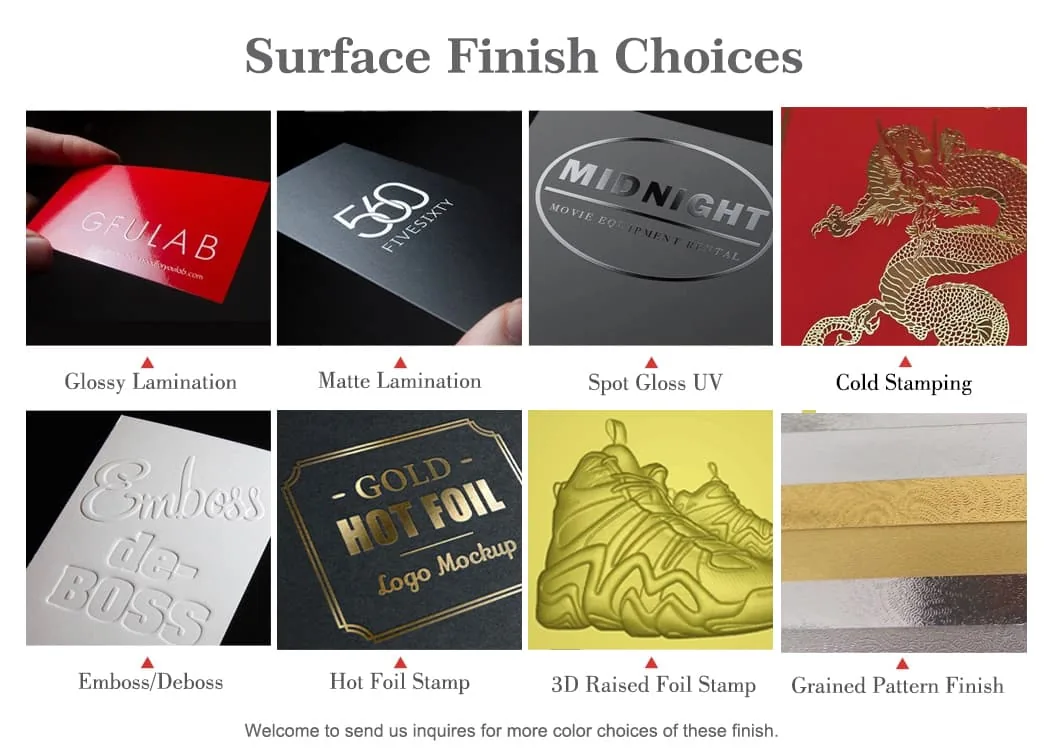
- Hot foil stamping - gold, silver, rose gold, holographic. The most requested logo finish.
- Emboss / deboss - raised or recessed logo, with or without foil.
- Spot UV - gloss varnish over a matte laminate to pick out a logo or pattern.
- Finishes - matte, gloss, soft-touch, anti-scratch lamination or aqueous varnish.
Ordering: MOQ, Dieline and Lead Time
| Item | Detail |
|---|---|
| MOQ | 100 pcs per size and per design |
| Dieline | Free. We send a print-ready structural dieline to your designer before you commit to anything. |
| Pre-production sample | Plain structural sample in 3-5 days, printed sample in 5-7 days. Sample cost is credited against the bulk order. |
| Production lead time | 8-14 working days after artwork and sample sign-off |
| Artwork format | AI or PDF, CMYK, 300dpi, 3mm bleed, fonts outlined, placed on our dieline |
| Shipping | Ships flat-packed and glued, which keeps freight volume and duty low. |
Send us the pie tin, or its exact diameter and rim profile. Pie boxes are one of the few formats where a 2mm error in the base means the tin will not sit flat and the pie slides in transit.
Technical Specifications
| Material | recycled kraft paper, 200–350 gsm |
|---|---|
| Structure | Kraft box |
| Printing | 4-color offset / flexo; screen print available |
| Finish | matte or gloss lamination, spot UV, foil stamping on request |
| Sizes | fully custom – tooled from your dieline |
| MOQ | 100 pcs |
| Lead time | 7–12 working days after proof approval |
| Inks | low-migration, food-grade on request; ISO 9001 system |
Related Packaging
Other food service packaging
Kraft Takeout Boxes with Window | Two-Compartment Meal Boxes
Carton structures we cut this in
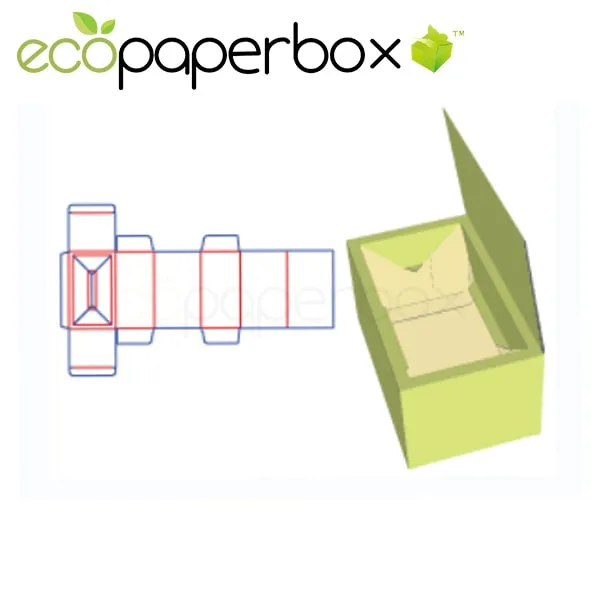
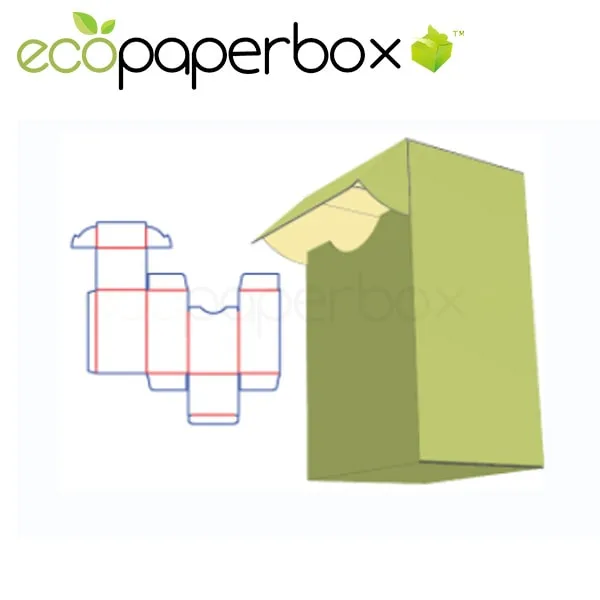
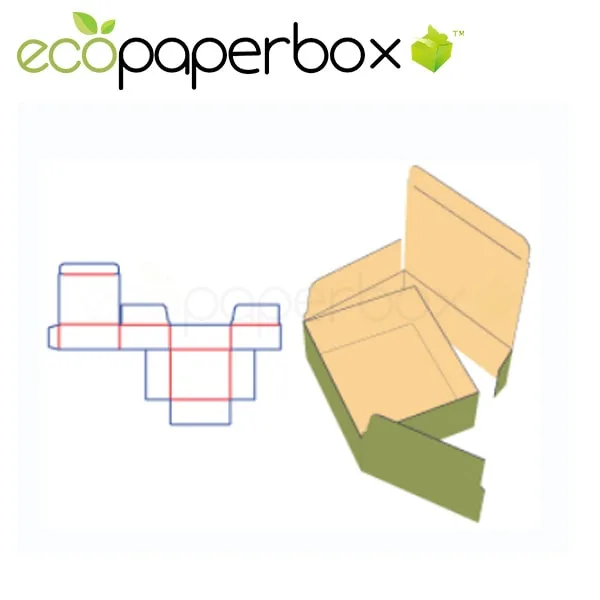
Four Corner Tray | Auto Bottom Carton | 1-2-3 Bottom Carton | Sleeve Carton
Surface Choice
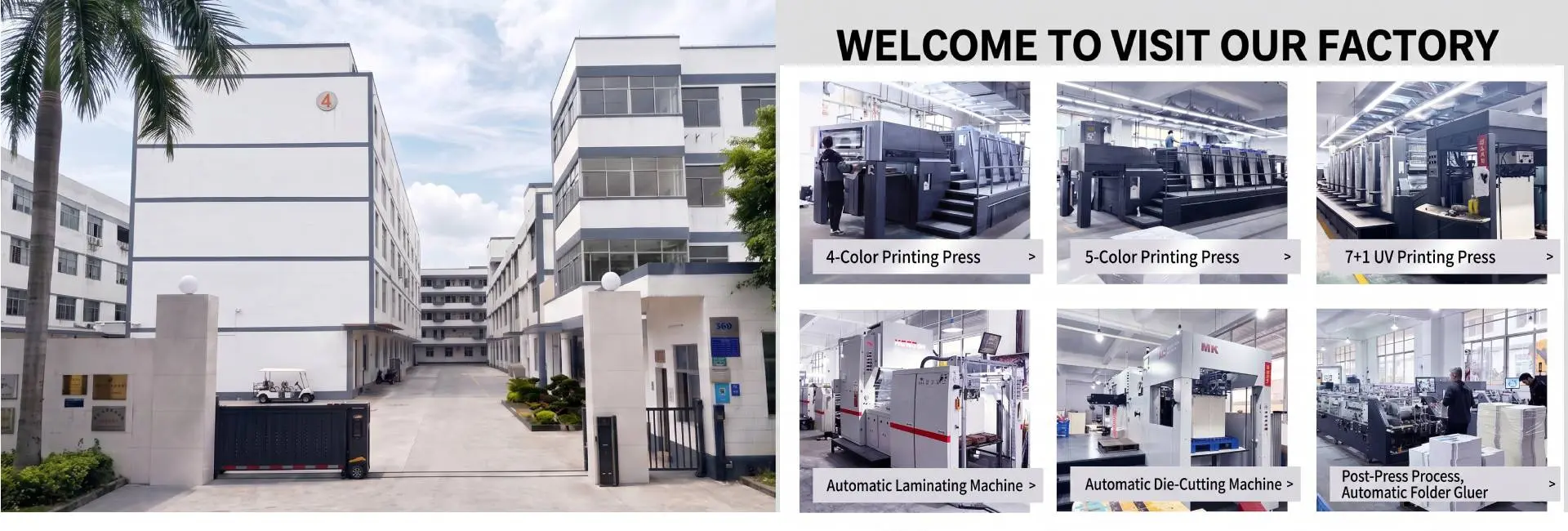
Our Guangzhou custom packaging factory runs four-color offset printing, automatic lamination, die-cutting and rigid box assembly on one floor. In-house production keeps lead times short and print color consistent from the first sample to full volume. Buyers are welcome to request a video tour or a factory audit before placing an order.

Packing Method For Corrugated Packaging:
Generally no need to put the PE bags inside of the cartons. Since the boxes are glued a layer of cardboard, generally production time is not long enough to dry the paper box. If you tie the PE bags, the steamed water pearl will be produced inside of the bags.

Product Details
- Custom sizes & shape – made to your exact dimensions, flute and box style.
- Eco-friendly board – recyclable corrugated / kraft material with low-migration inks on request.
- Secure closure – self-locking or magnetic options keep contents safe in transit.
- Full-surface printing – CMYK, Pantone, foil, emboss and spot UV available.
- Low MOQ & fast turnaround – start from 100 pcs, bulk pricing for 5,000+ units, 7–15 day lead time.
Customer Reviews
We ordered these eco-friendly pie boxes with window for our retail line and the print was sharp. Free dieline and fast tooling.
Solid eco-friendly pie boxes with window – the structure held up in transit and the finish looks premium on shelf.
Good communication and the MOQ of 100 worked for our small batch. We will reorder.
Frequently Asked Questions
Why does my pie box go soggy?
Because steam has nowhere to escape. A warm pie in a sealed box produces water vapour, which condenses on the underside of the lid and the window and drops back onto the crust. The fix is die-cut vents in the side wall, not a heavier board. Vents cost nothing if they are on the dieline from the start.
What board weight does a pie box need?
For a single small pie, 350gsm kraft is enough. For a full-size or family pie, go to 400gsm or E-flute laminated board. This is the specification most often set too light, and the symptom is a base that flexes as the box is lifted, which cracks the crust before the customer gets home.
Can I use a compostable window on a pie box?
For cold bakery, yes - PLA or cellulose film both work and both compost. For hot pies, no. PLA starts softening above roughly 45C and a pie coming out of an oven is well past that. If you need a compostable claim on a hot line, leave the window out and print the product instead.
Are pie boxes recyclable after use?
The board is recyclable if it is not heavily grease-soaked and if the window film is removed. Grease contamination is the practical limit - a board saturated with fat is rejected by most mills. A PFAS-free water-based barrier reduces how far the grease penetrates, which keeps more of the board recoverable, and a smaller window means less film to separate.
How much headroom should I allow above the pie?
Three to five millimetres above the highest point, measured on a finished pie rather than an empty tin. Meringue, lattice tops and piped cream need more. If the lid touches the topping, it will mark it, and on a windowed box that damage is the first thing the customer sees.
What is the minimum order for custom pie boxes?
One hundred pieces per size and per design, printed digitally so there is no plate cost. That works for a single bakery testing a seasonal line. Above about 3,000 pieces we move to offset and the unit price drops.
Can you match my existing pie tin?
Yes, and that is the right way to do it. Send us the tin itself and we cut the base around its actual rim profile rather than a stated diameter. Tins vary by a couple of millimetres between suppliers, and on a pie box that is the difference between the tin sitting flat and the pie sliding in transit.