
Apparel is one of the few product categories where the package does real selling work before the product is even touched. A folded shirt in a poly bag says "warehouse." The same shirt in a printed mailer, with a hang tag and a thank-you card, says "brand." For small and mid-size apparel labels, the question is rarely whether packaging matters — it is which format fits the product, the channel, and the budget.
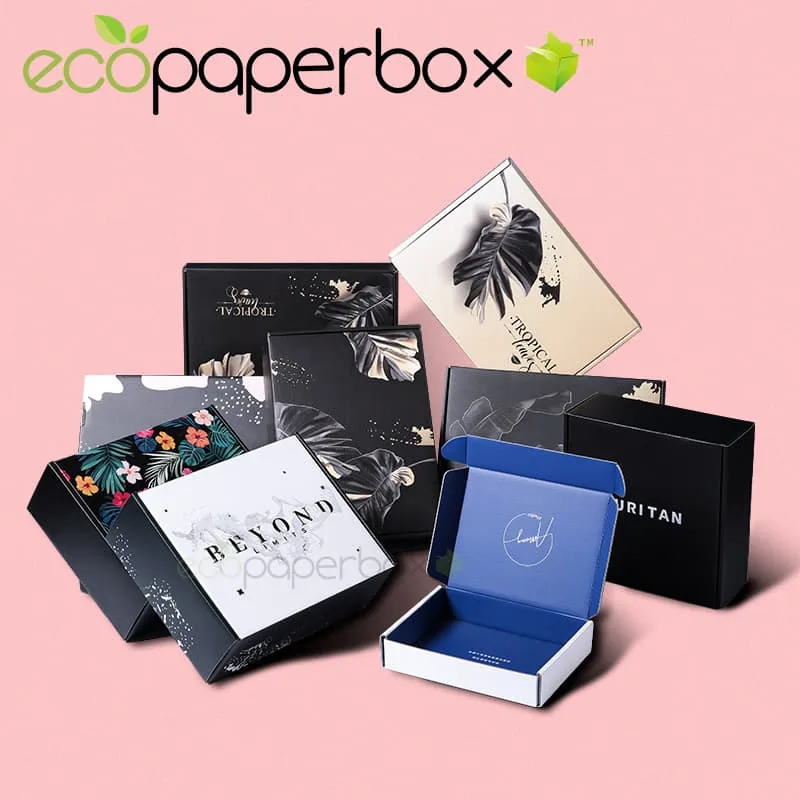
Folding Cartons for Retail and Accessories
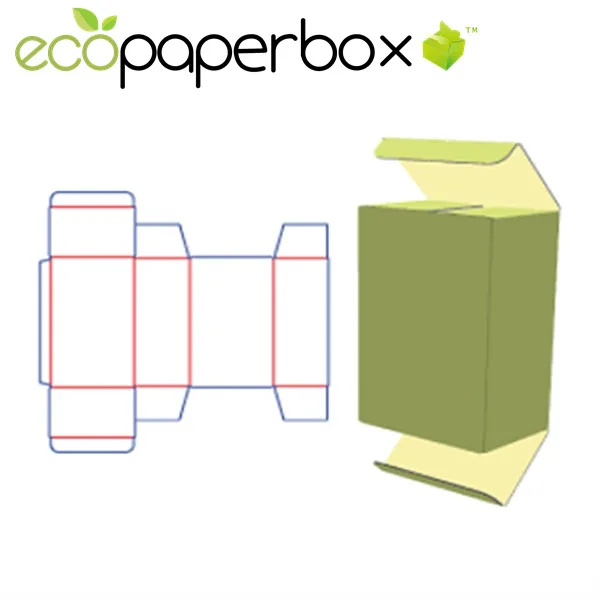
For lightweight items — socks, scarves, ties, hair accessories, small hardware — a folding carton is usually the right call. These are made from SBS white card, kraft, or lightweight corrugated board, and they ship flat, so you are not paying freight on empty boxes. A straight tuck or reverse tuck carton folds in seconds at your packing table.
The same carton stock is where most hang tags live, too. A 300gsm SBS tag with a die-cut hole and a string reads cleaner than a sticker slapped on a poly bag, and it survives the rack. If you only change one thing about your packaging this season, moving accessories from bag to folding carton is the highest-leverage move.
Between kraft and white SBS, kraft signals natural and hands-on while white prints truer to your brand color. Pick by the impression you want on the shelf, not by price alone — the two stocks cost about the same at this weight.
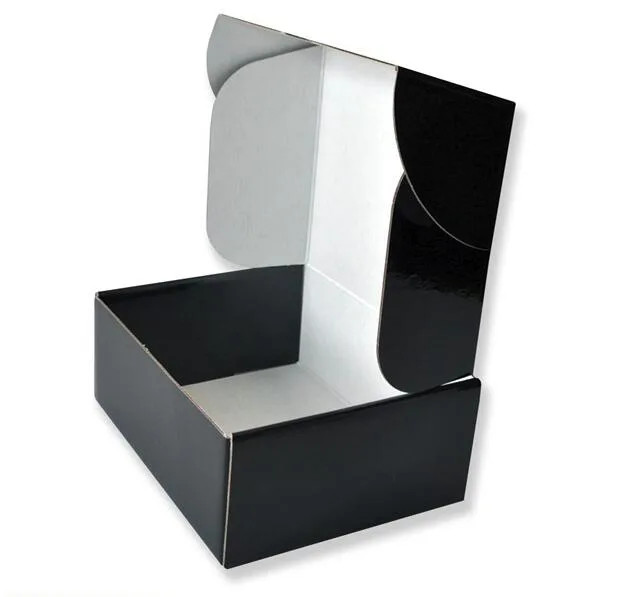
Corrugated Mailers for Ecommerce Shipping
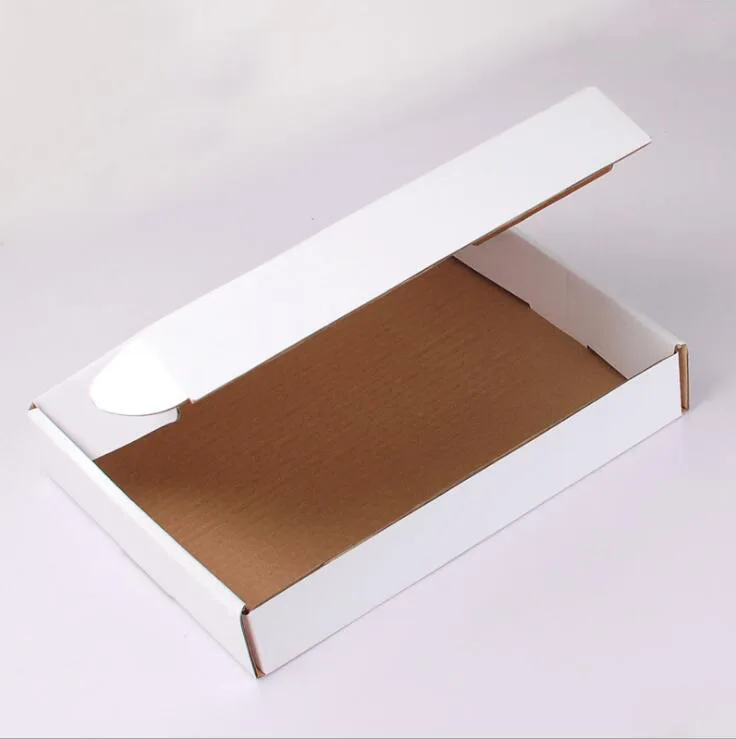
Once you ship direct to customers, the package has to do two jobs at once: protect the garment and carry the brand. Corrugated mailers — usually E, B, or F flute wrapped in white card, kraft, or specialty paper — handle both. E and F flute are thin enough to feel like a premium mailer yet rigid enough to stop a folded hoodie from creasing.
The honest tradeoff: a corrugated mailer is a shipping box first. It prints well on the outside, but do not expect the inside to feel like a gift box. If the unboxing moment matters more than the transit protection, that is the signal to step up to a rigid box instead.
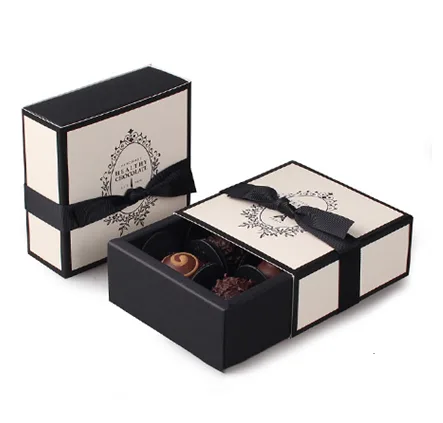
Rigid and Drawer Boxes for Premium Garments
For higher-value pieces — a structured jacket, a knit set, a gift purchase — a rigid box changes the perceived price. A rigid garment box is built from greyboard (1000–1500 gsm) mounted with 157 gsm C2S art paper or specialty paper. It ships assembled, so it arrives looking finished, not like a flat you fold yourself.
A drawer-style rigid box (base plus sliding sleeve) is popular for premium apparel because the garment stays protected and the reveal feels deliberate. The catch is freight: assembled rigid boxes are heavier and bulkier to ship than anything flat. If you ship overseas in volume, weigh that against the margin the unboxing earns. The only rigid type that flat-ships is the collapsible magnetic box, which keeps the premium look while cutting freight.
The Kraft Shopping Bag as a Low-Cost Brand Touch
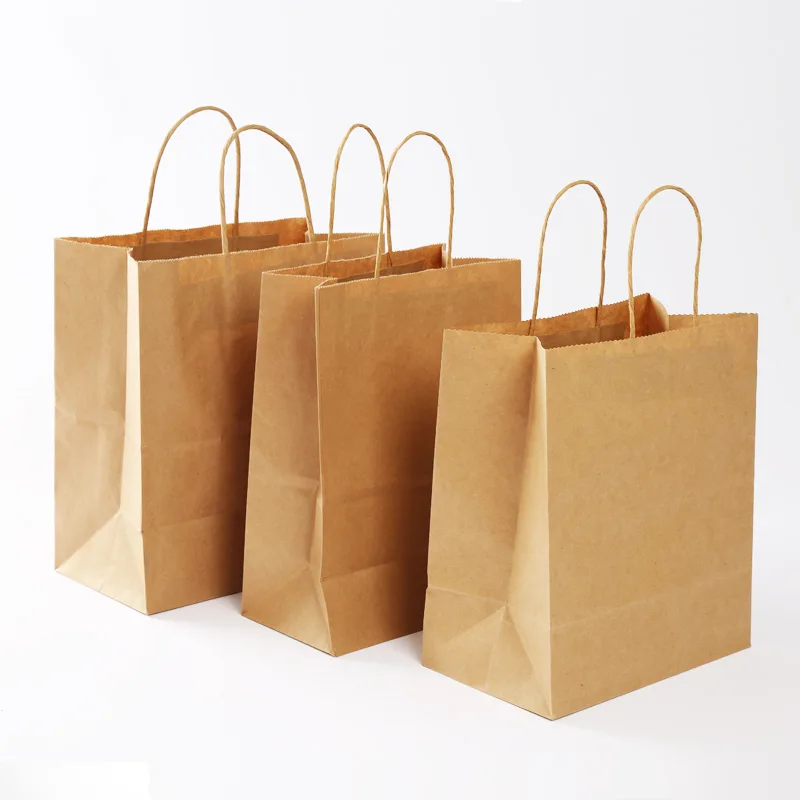
Not every apparel package needs a box. A sturdy kraft shopping bag with rope or flat handles is a cheap, reusable brand surface for in-store and pop-up sales. It also doubles as the carryout for a garment that is already on a hanger. Kraft reads natural and hands-on, which suits many independent labels better than a glossy white box.
One caveat: a bag protects almost nothing in transit, so it is a retail and event format, not a shipping format. Pair it with a folding carton or mailer when the item has to survive a courier.
Choosing the Right Format (and the Mistakes Buyers Make)
The framework is simple. Light item, retail shelf → folding carton or hang tag. Direct ship, protection first → corrugated mailer. Premium gift or high margin → rigid box. In-store carryout → kraft bag.
The most common mistake is over-packaging a low-value item: a $12 tee does not need a rigid box, and the freight will eat the margin. The second mistake is the reverse — shipping a fragile structured garment in a thin mailer and eating returns. Right-size the structure to the product, not the aspiration. A third, quieter mistake is skipping the blank sample: checking the fold and fit on a plain box before print avoids a whole run of slightly-wrong cartons. For the broader structure decision, our rigid vs folding boxes guide breaks down the cost and freight tradeoffs.
From a Guangzhou Factory, Not a Trading Desk
At Ecopaperbox we run this as a Guangzhou factory with in-house offset printing, lamination, die-cutting, and hand assembly — so a small apparel label can order a real structural sample, not a digital mockup, before committing. Our standard MOQ is 100 pieces across most box types, which is low enough to test a seasonal design without tying up cash (the industry norm used to be 1000–3000+). Production runs on a 7–12 working day lead time after artwork approval.
We hold ISO 9001, High-Tech Enterprise certification (no. GR202544012474, valid from 2025-12-19), and are SGS-audited. If a project needs it, FSC-certified paper can be sourced from FSC-certified mills with chain-of-custody documentation available on request. For premium garment formats, see our custom luxury gift box.