
If you run a small food brand, you've probably been pitched "eco-friendly" packaging that was anything but. The phrase has been stretched so thin it barely means anything anymore. So before you pick a "green" box for your granola bars, tea, or chocolates, let's separate what's real from what's marketing.
What "eco-friendly paper packaging" actually requires
For food products, four conditions have to be met for a paper package to honestly qualify as eco-friendly:
- Food-grade paperboard — virgin SBS or premium kraft with food-contact compliance, not just any recycled stock that happens to be brown.
- Low-migration inks and adhesives — the inks must not bleed into dry or fatty foods. Conventional offset with food-grade ink series is standard; UV-cured inks on the inner surface are a red flag.
- Minimal or no plastic lamination — film lamination is what makes most "eco" boxes non-recyclable. Either skip it, or use a water-based coating that paper mills can repulp.
- Honest end-of-life claims — recyclable and biodegradable are different claims. Compostable requires certification; recyclable just needs the right kerbside program.
The three paper structures you actually use for food
Most small food brands end up choosing from one of three structures. They look similar from the outside but behave very differently.
1. Folding cartons (SBS or kraft)
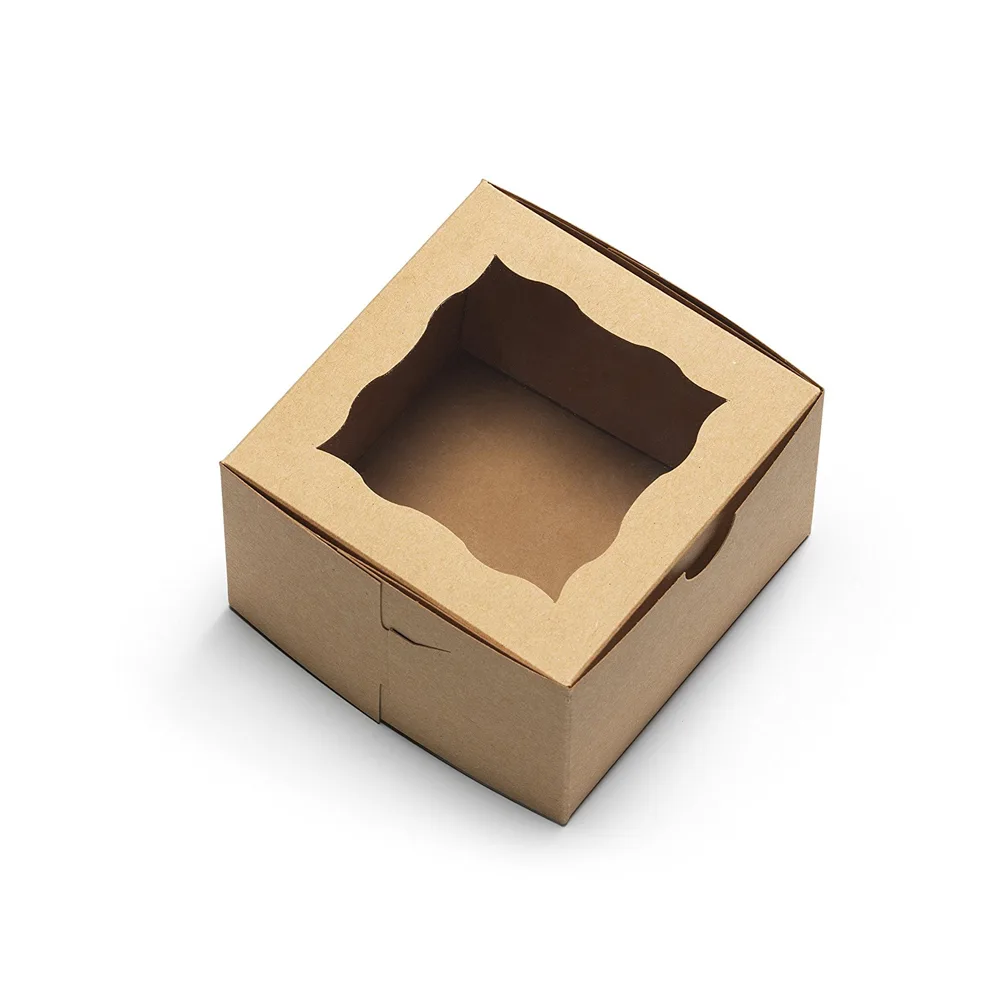
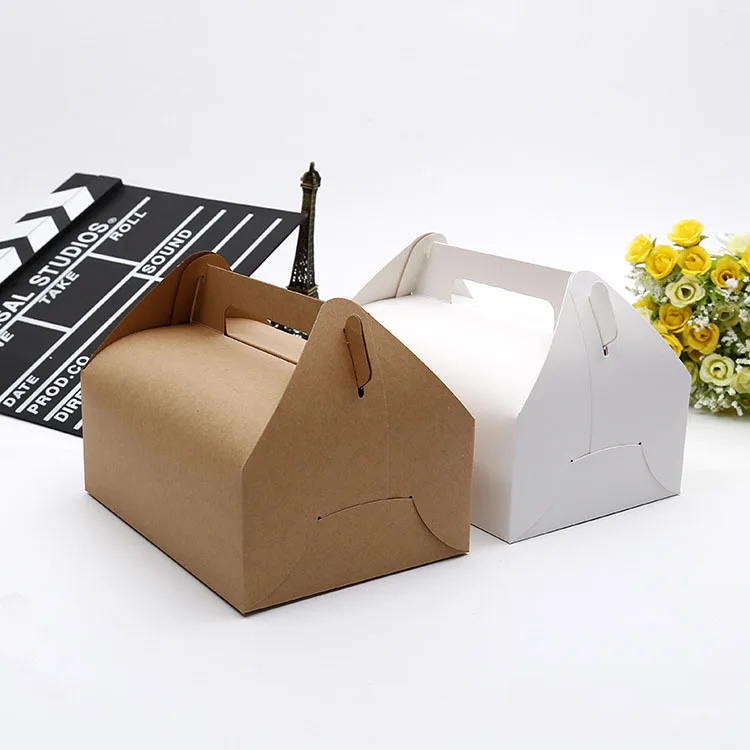
Folding cartons are made from solid paperboard — typically SBS (Solid Bleached Sulfate, white and smooth) for premium print, or kraft (unbleached, brown) for a natural look. They ship flat, cost the least per piece, and are the default for tea boxes, chocolate sleeves, snack pouches, and coffee bag sleeves. A 350 gsm board is plenty for most dry foods; add an inner bag or liner for moisture or grease.
2. Corrugated mailers and trays
For shipping or heavier food items, E-flute corrugated is the workhorse. Corrugated is a paper sandwich: liner paper outside, fluted (wavy) paper inside, more liner outside. The flute gives it crush resistance. An E-flute mailer with a die-cut fitment can carry a 2 kg jar of granola across the country without crushing. Plain kraft corrugated with water-based ink is one of the most genuinely recyclable food packages you can ship.
3. Rigid and collapsible magnetic gift boxes
For premium foods — single-origin chocolates, gift tea, holiday assortments — rigid or collapsible magnetic boxes give you the unboxing moment that justifies a higher price. The structure is greyboard (1.5–2.5 mm thick recycled board) wrapped in 157 gsm coated art paper or specialty paper. Collapsible magnetic boxes fold flat for shipping and snap together with hidden magnets — they look like a rigid box but ship at folding-carton freight rates.
What to avoid when buying "eco" food packaging
- Anything claiming "100% compostable" without a certification number. Paper is biodegradable; compostable is a stricter standard that requires third-party testing (EN 13432, ASTM D6400, or home-compostable TUV OK Compost). A kraft box is biodegradable but not certified compostable. Don't let a printer conflate the two.
- Glossy plastic-laminated boxes sold as "eco". A laminated folding carton is not recyclable in most kerbside programs, regardless of what the brochure says.
- Generic "food-safe" claims with no documentation. Ask for a written statement of compliance with FDA 21 CFR (US) or EU 1935/2004 (EU). A reputable factory has this on file for the inks and adhesives used.
- Thin, single-wall mailers for fragile foods like glass jars. A single-wall E-flute mailer is fine for a tea bag sleeve, but glass jars and ceramic mugs need a die-cut insert or moulded pulp cradle.
What MOQ actually matters here
Eco-friendly food packaging used to mean a 5,000-piece minimum run, which priced small brands out. That's no longer the case if you go direct to a factory that runs smaller production lines for short runs. At Ecopaperbox, MOQ starts at 500 pieces for custom folding cartons and mailers. You can launch a new granola flavor with 100 boxes, validate it in one retailer's shelves, then scale to 5,000 with the same dieline and the same factory.
The benefit of starting at 500 isn't only lower cash exposure — it also lets you run an actual unboxing test with real customers before committing to a larger run.
Honest framing, not greenwashing
Paper packaging is genuinely one of the better options for food products compared to plastic clamshells and shrink wrap. But it's not a magic word. A coated folding carton inside a poly bag inside a corrugated mailer is more material than a small jar. The honest move is to pick the lightest structure that protects the food, uses food-safe materials, and ends up in a paper recycling stream — and to be specific in your marketing rather than using "eco-friendly" as a label.
If you're starting from scratch and want to see how a structure actually performs, ask your supplier for a white blank mock-up (a printed sample of the structure with no logo) so you can feel the board and test the fit. We send these for free; they help you avoid committing to a 1,000-piece run of a box that doesn't survive shipping.
Where Ecopaperbox fits
Ecopaperbox is a custom packaging factory in Guangzhou, China with in-house offset printing. We make food-grade folding cartons, kraft mailers, and rigid gift boxes for small food brands in the US, Canada, UK, and Australia. We work with food-grade boards, low-migration inks, and water-based coatings. We don't claim compostability for paper we can't certify, and we don't say "eco" when the structure has a plastic window. MOQ of 500, free dieline, free blank sample, transparent quotes, DDP door-to-door shipping.
If you're comparing options, the questions worth asking any supplier are: what board grade, what adhesive, what ink series, and what end-of-life is this box designed for? The answers tell you more than any marketing page.
See these structures in real food boxes
Ready to compare options? Browse our food packaging boxes, our full industry solutions, or read how our Guangzhou factory handles food-grade printing. Common questions are answered on the FAQ page.