
A few months ago a small US skincare brand came to our Guangzhou workshop with a familiar problem. They had a formula they believed in, a logo they liked, and exactly zero proof that customers would actually care about the box it shipped in. Ordering 1,000 or 3,000 custom boxes up front — the old industry minimum — would have tied up cash they needed for inventory and ad spend. So we ran what we now suggest to almost every new brand: a 100-piece test run. This is the story of how that small batch turned into a 5,000-box standing order, and what it shows about using a low MOQ as a real launch strategy rather than a marketing line.
Why a 100-piece test run, not 1,000
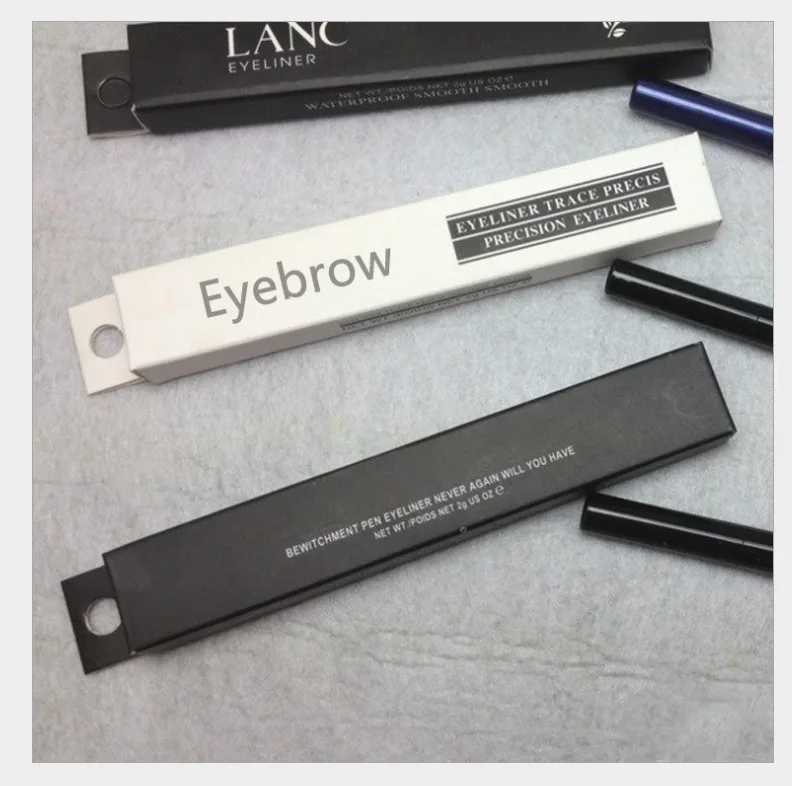
Ecopaperbox's standard minimum order quantity is 100 pieces across most box types. The industry norm used to sit at 1,000–3,000+, which forced new brands to bet big before they had sold a single unit. A 100-piece run flips that: you validate the unboxing with real customers, then commit more once sell-through is proven.
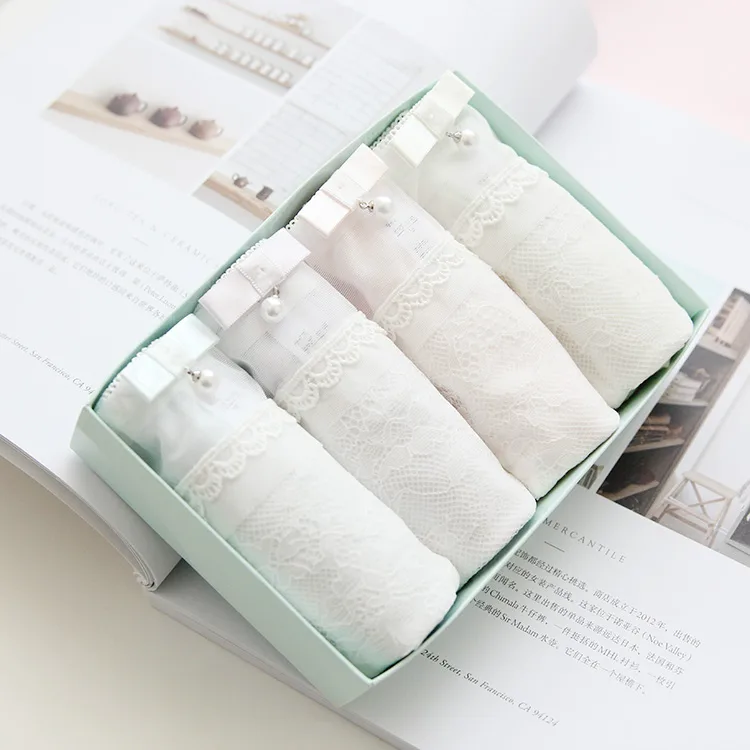
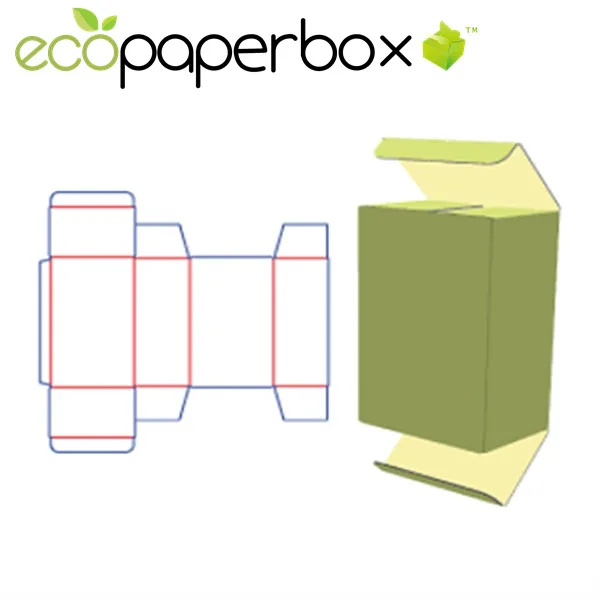
For their serum the brand chose a rigid lid-and-base box — greyboard at 1,000–1,500 gsm mounted with 157 gsm C2S art paper. That construction ships assembled, but at 100 pieces the freight difference versus a folding carton is modest while the cash difference versus a 3,000-piece commitment is enormous. They used our free dieline and a free blank sample first to confirm the structure, then printed 100 with their logo. Keeping the first batch small also meant a misprint would cost them a few hundred dollars, not a few thousand — a gap that matters to a brand still proving its unit economics.
What the test actually revealed
A computer render never tells you three things the physical box did. First, the foil logo read smaller than expected against the matte wrap, so we enlarged it for the reorder. Second, the insert well needed to be a few millimetres deeper to seat the bottle without rattle. Third, and most useful, customers photographed the box — the unboxing itself drove organic social posts the brand had not paid for.
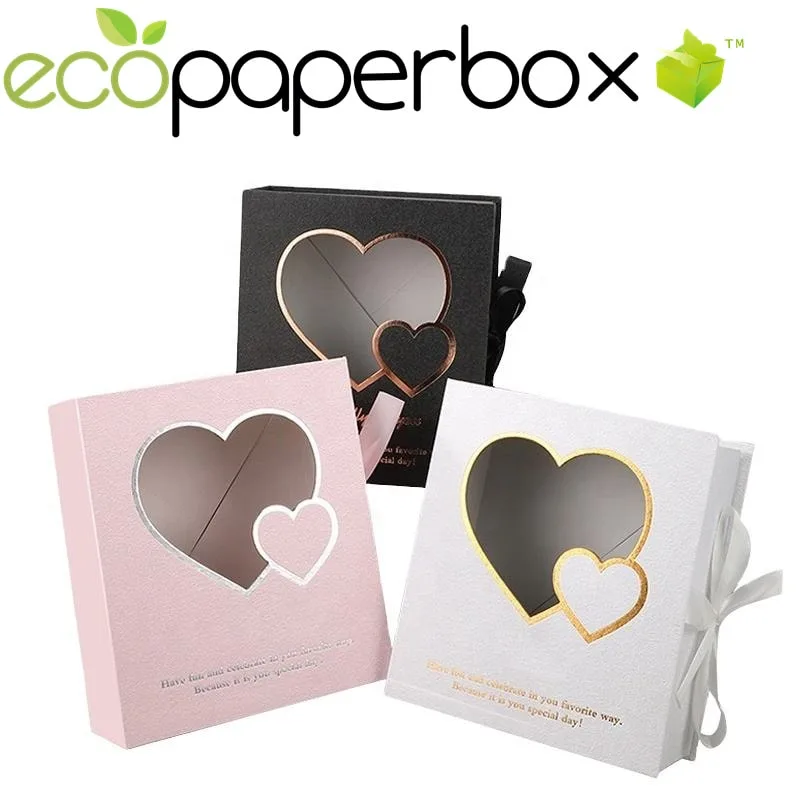
A free blank mock-up would have caught the structural issue before any ink was laid down; the printed test caught the visual one. Either way, the cost of fixing it at 100 pieces was a dieline tweak, not a warehouse of wrong boxes. Our sample process from inquiry to physical box is built exactly for this step.
Scaling to 1,000, then 5,000
Six weeks later, steady sell-through justified a 1,000-piece reorder. Another eight weeks in, a 5,000-piece standing order replaced the ad-hoc batches. Because we keep the dieline and print specs on file, the 5,000 run matched the 100 run colour-for-colour — the tooling simply amortised across the higher volume, so the per-unit cost dropped without a change in structure.
We do not push large runs toward marketplaces. Many platform "suppliers" resell the same Guangzhou boxes at a markup; as a Guangzhou factory with in-house production we price factory-direct from 100 to 5,000+ pieces, which keeps both the small test and the volume order on the same cost curve.
Why factory-direct consistency mattered
Buying a sample from one shop and volume from another is how brands end up with two visibly different boxes. Ecopaperbox is a Guangzhou factory with in-house offset printing (Roland, Heidelberg, Komori), lamination, die-cutting, and hand assembly — the same workshop that printed 100 also prints 5,000. Our ISO 9001 quality management system, SGS-audited facility, and High-Tech Enterprise certification (no. GR202544012474) keep batch variation tight across scales.
When a reorder calls for FSC-certified paper, we can source it from FSC-certified mills with chain-of-custody documentation available on request — useful for brands with a stated paper-sourcing policy. We frame FSC as mill-sourced rather than claiming we hold our own CoC certificate.
When a low-MOQ test run is the wrong move
Low MOQ is a tool, not a rule. If you already ship steady volume, jumping straight to 1,000+ usually lowers unit cost more than a 100-piece detour. If your structure is simple and already proven, a test only adds a dieline cycle. And if you need a complex finish during peak season, plan the realistic 7–12 working days after artwork approval so a test does not become the bottleneck.
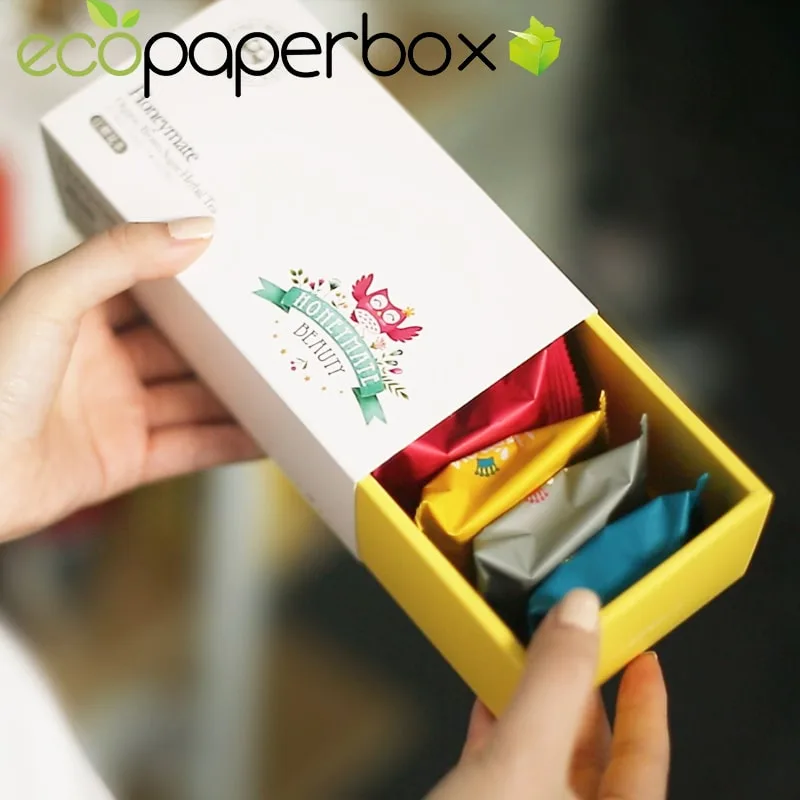
Used in the right place, though, a 100-piece run is the cheapest market research a packaging buyer can buy. You learn what customers feel, fix it once, and scale with confidence — which is exactly the path this skincare brand took from a single test carton to a 5,000-box reorder. See our full customisable packaging range to spec your own.