
The single most common packaging mistake small brands make is treating "kraft" and "corrugated" as if they were the same thing. They are not. If you ship something fragile — glass jars, ceramics, candles, electronics — mixing them up is the difference between an intact delivery and a refund request.
First, the terminology (this is where most confusion starts)
Corrugated is a structure: a fluted (wavy) paper layer sandwiched between two liner sheets. The flute is what absorbs shock and resists compression. Kraft is a material — unbleached, brown paper made from wood pulp. Kraft is most often used as the outer liner on a box, including on corrugated boxes. So a "kraft corrugated mailer" is corrugated board whose surface happens to be kraft paper. The two words describe different dimensions.
Why corrugated wins on crush resistance
The fluted middle of corrugated board acts like a series of tiny arches. Arches distribute weight. That is why a corrugated shipping box can be stepped on and barely dent, while a folding carton of the same thickness folds. For fragile items, this matters:
- E-flute (≈1.5 mm): thin, smooth, good print surface; fine for light fragile items in a padded mailer.
- Fitments and cradles: for glass and ceramics we keep the E-flute wall and add a die-cut corrugated fitment or moulded pulp cradle — that is what absorbs the shock.
Why kraft alone does not protect fragiles
A "kraft box" with no corrugated core is usually a folding carton — SBS or kraft paperboard, 300–400 gsm, ships flat, looks great, prints beautifully. But it has almost no compression strength. Drop a glass jar in a plain kraft folding carton and the carton does little. Kraft is the face; it is not the armor.
The comparison that actually matters
| Factor | Corrugated (B/E flute) | Kraft folding carton |
|---|---|---|
| Crush resistance | High | Low |
| Print quality | Good (liners print well) | Excellent (smooth surface) |
| Best for | Shipping fragile / heavy items | Retail shelf, light items |
| Ships | Flat (mailer) | Flat |
| Recyclability | High (mono-material) | High (mono-material) |
The practical answer for fragile items
Use both, as a system:
- A corrugated mailer (E-flute with a die-cut cradle) as the outer shipping box.
- A kraft folding carton or kraft insert tray inside, holding the product so it does not rattle.
- Optional: die-cut corrugated inserts or molded pulp to cradle the item.
This double layer is what most premium fragile brands actually ship. The corrugated takes the hit; the kraft presents the brand. You get protection and a clean unboxing.
If your product is small, light, and ships in a padded mailer anyway (think soap bars or a single candle), a single kraft folding carton inside a padded mailer is acceptable. But the moment weight or fragility goes up, corrugated is non-negotiable.
MOQ and testing
You do not need a 5,000-piece run to get this right. At Ecopaperbox we start custom corrugated mailers and kraft cartons at 500 pieces, so you can test a fragile shipment with real customers before scaling. Ask for a white blank mock-up (structure with no print) to confirm the fit and drop performance first.
See the structures
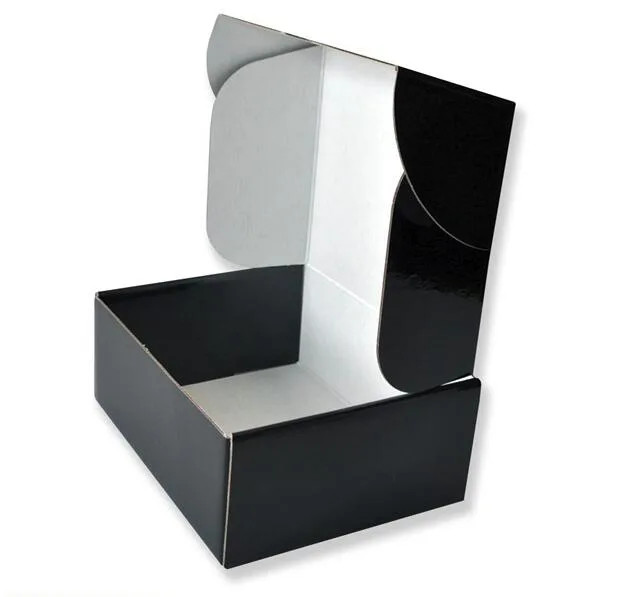
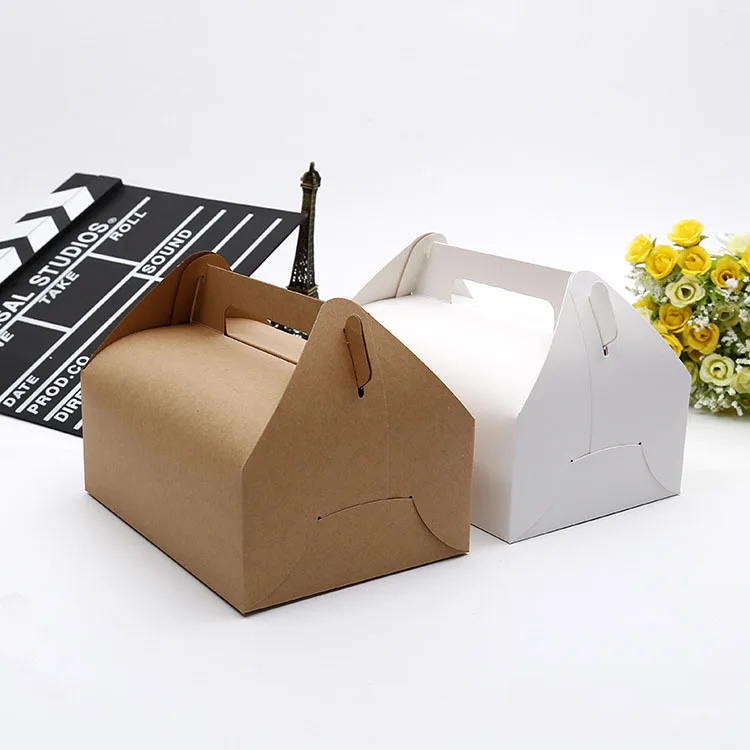
Compare options on our corrugated packaging and custom mailer boxes pages, or see how we match structures to products across industries. Fragile-shipping questions are covered on the FAQ page.