
Most electronics and accessories do not need a fortress. They need a box that stops scratches, holds the device still, and does not double the shipping weight. At Ecopaperbox, a Guangzhou-based custom paper packaging factory with in-house printing and finishing, we build boxes for earbuds, chargers, smart gadgets, and small devices every week, and the usual mistake is over-packaging.
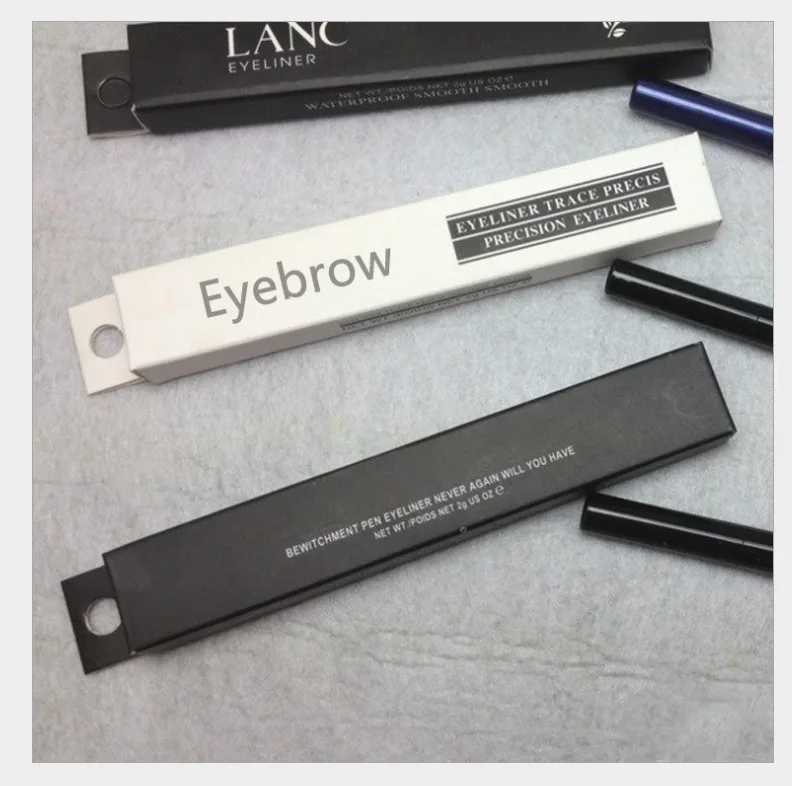
Start With the Device, Not the Box
Before picking a box type, weigh the product and ask how it fails in transit. A 40-gram pair of earbuds will not crush a mailer; a 600-gram smart speaker can. Fragile screens and glass lenses want an insert; cables and adapters just want to stay put. Getting this right is what keeps the unboxing premium without the freight bill.
Rigid and Collapsible Magnetic Boxes for Premium Tech
For flagship devices, a rigid box reads as premium the moment it is picked up. A rigid box is built from greyboard (1,000 to 1,500 gsm) mounted with 157 gsm C2S art paper or a specialty paper, then assembled by hand, so it ships ASSEMBLED, not flat. The collapsible magnetic box is the one rigid type that folds flat: same greyboard and art-paper body with hidden magnets, so it still looks like a rigid box but saves freight. Both suit limited-edition tech, gift sets, and premium accessories.

A skeptic note: a rigid box is heavy to ship and costs more per unit than a folding carton. Use it when the margin and the brand moment justify the unboxing, not by default.
Inserts That Actually Hold the Device
The box is half the story; the insert is the other half. For devices we commonly use EVA foam molded to the product shape, cardboard trays with cavities, or molded pulp for a lower-cost, recyclable option. The job is to stop movement, not just fill space, because a rattling device in a padded box still arrives damaged. Choose the insert by fragility, not by habit.

Tradeoff: EVA gives the closest fit and feel but is a plastic-foam material, so it is not curbside-recyclable on its own. Cardboard trays and molded pulp are paper-based and far easier to recycle, at the cost of a slightly less molded look.
Corrugated Mailers for the Last Mile
When the device ships to a customer, a corrugated mailer usually wins. Corrugated board (E, B, or F flute) is wrapped with white card, kraft, or specialty paper and ships flat, so you store and freight it efficiently. E flute is slim and prints cleanly for subscription and direct-to-consumer tech; B flute adds stacking strength for heavier bundles. This is where most earbuds, cables, and accessories actually travel.
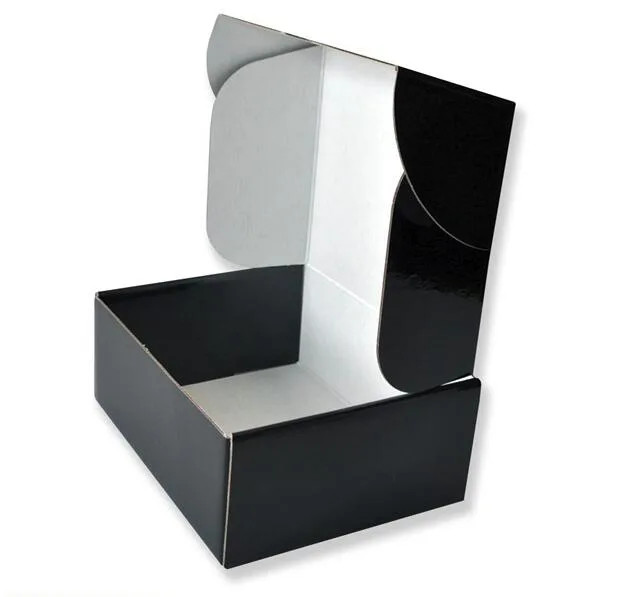
Honest limit: a thin E-flute mailer will not survive warehouse pallet stacking the way a double-wall shipper will. Match the flute to the journey, not just the shelf.
Right-Sizing to Cut Freight and Waste
Oversized boxes are the quiet cost. Carriers bill by dimensional weight, so a device in a box three sizes too big can cost more to ship than the box itself. Right-size to the product plus a thin layer of protection, and you cut freight, void fill, and warehouse space at once. Because we offer a free dieline, you can specify the exact dimensions at a 100-piece minimum instead of accepting a standard size.
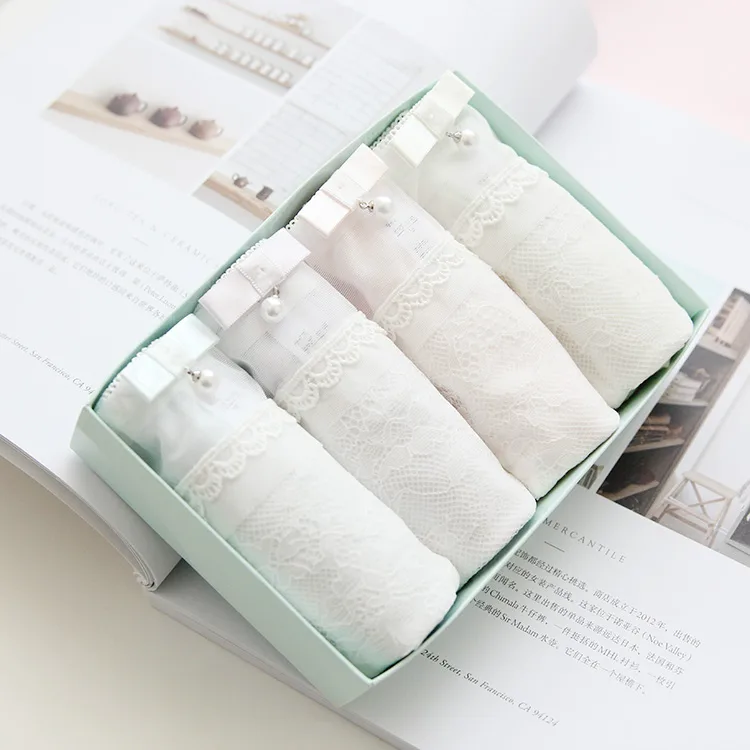
Real example: a client shipping a 90 by 60 by 25 mm accessory moved from a 200 by 150 by 80 mm stock mailer to a custom 110 by 80 by 35 mm box. Freight per parcel dropped noticeably, and the smaller carton fit more units per outer shipper.
Folding Cartons for Light Accessories
Not everything needs rigid. Cables, adapters, screen wipers, and lightweight accessories sit well in an SBS white-card or kraft folding carton that ships flat and assembles in seconds. A tuck-end or tray-and-sleeve style keeps the product visible and the structure cheap. This is the workhorse for high-SKU accessory lines where you reorder often.
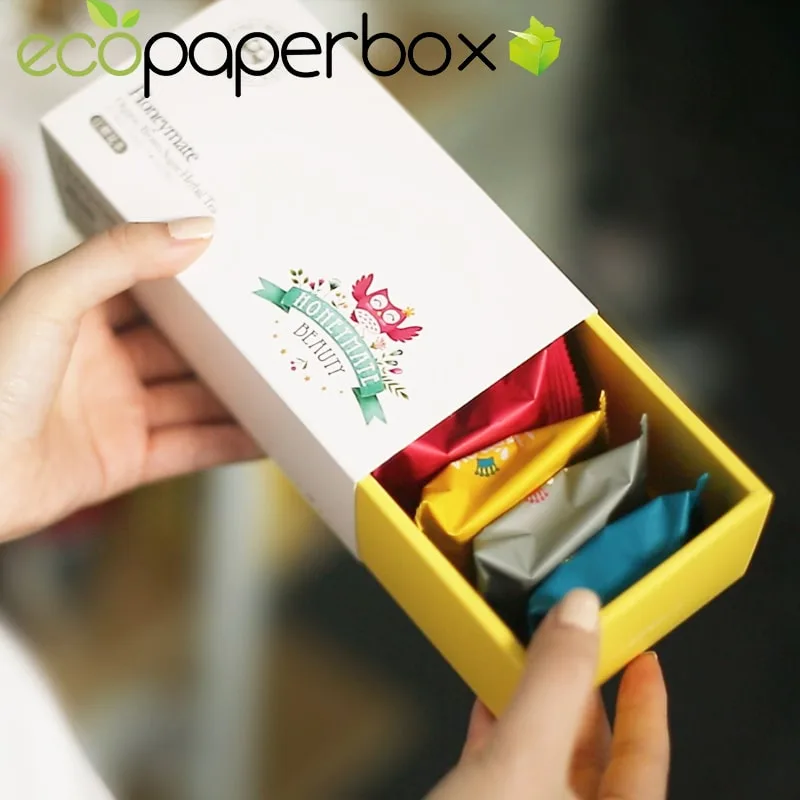
When to choose folding over rigid: when the item is light, the margin is tight, and the unboxing is functional rather than ceremonial. When to choose rigid: when the product is the gift, the brand moment matters, or the device is fragile enough to earn the protection.
Lead Time, MOQ, and an Honest Note on Alternatives
Typical production is 7 to 12 working days after artwork approval, with samples available first. Our standard MOQ is 100 pieces; that MOQ 100 is realistic for test runs because a Guangzhou factory with low overhead makes small batches viable. For large runs of 5,000 plus we stay competitive as a direct factory, so you do not need a marketplace to scale.
A fair comparison: Arka and Packlane run clean online configurators with fast US turnaround but higher per-unit cost; Noissue is strong on eco-branded stickers and mailers. A Guangzhou factory like ours wins on unit price at 100 plus and on structural freedom across rigid, collapsible magnetic, corrugated, and folding styles. Many marketplace suppliers are traders reselling the same Guangzhou boxes at a markup, so buying direct removes that layer. We hold ISO 9001 for our workshop, are certified as a High-Tech Enterprise (certificate no. GR202544012474, valid from 2025-12-19 for three years), and are SGS-audited; if a project needs it, we can source FSC-certified paper from FSC-certified mills with chain-of-custody documentation on request.
Start with the device, pick the lightest box that protects it, and order 100 to test the unboxing before you commit to a larger run.