
Most first-time buyers fixate on the per-box price and forget the line item that quietly decides whether a product is profitable: freight. A box that costs to make can add to ship once you factor in its weight, volume, and the air-freight surcharge for a peak-season reorder. At Ecopaperbox, a Guangzhou factory with in-house printing and finishing, we see the same pattern weekly — brands optimize the wrong number. Freight also scales worst with volume: the more you sell, the more parcels move, so a 10% freight saving compounds across every order, not just the first. The good news: you can usually cut shipping cost without giving up the unboxing that sells the product.
Why freight eats your margin
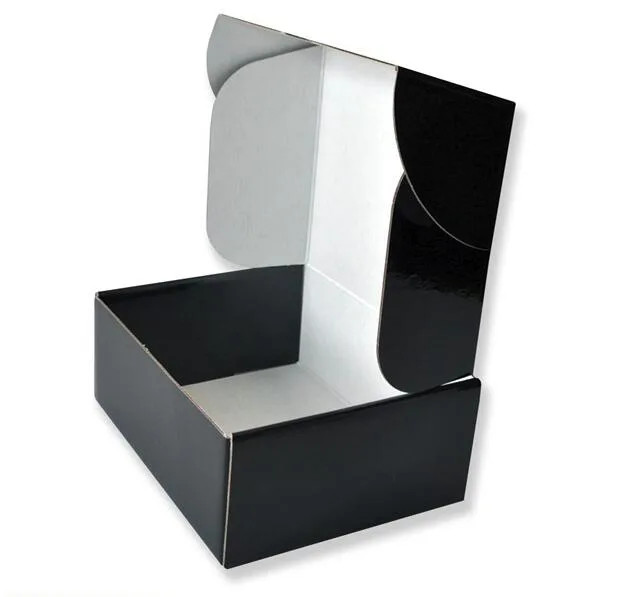
Carriers don't bill by actual weight alone. They charge dimensional weight — the cube of your parcel divided by a divisor — and they keep whichever number is higher. A large, light, assembled rigid box is the worst case: it is bulky, it is heavy from the greyboard, and it fills containers with air. A 30 x 30 x 20 cm assembled rigid box weighing 200 g can bill as if it weighed over 1 kg once dimensional weight applies. That is why two boxes with the same unit cost can have wildly different landed costs depending on how they ship.

Flat-ship structures: the biggest single lever
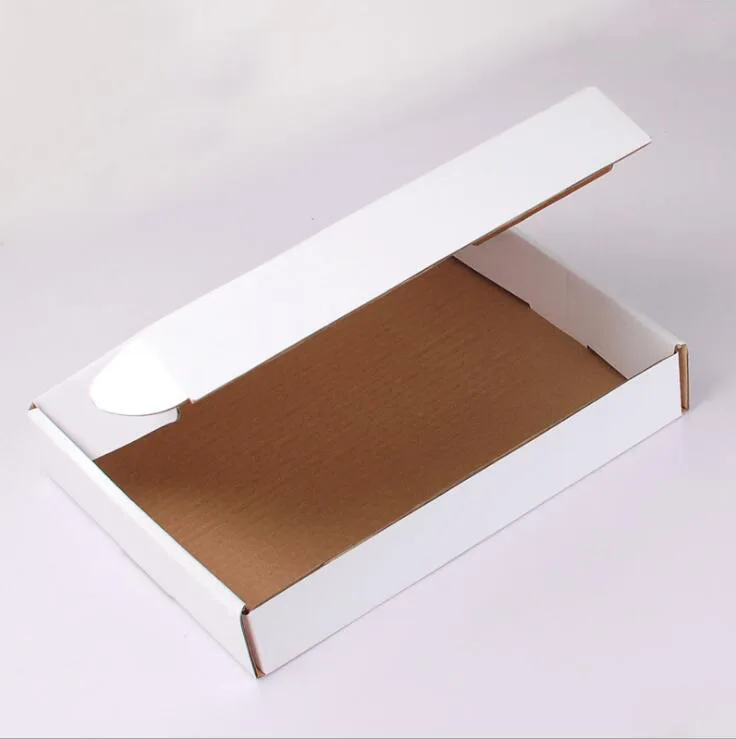
The fastest way to shrink both weight and volume is to choose a structure that ships flat. Three options cover almost every brand:
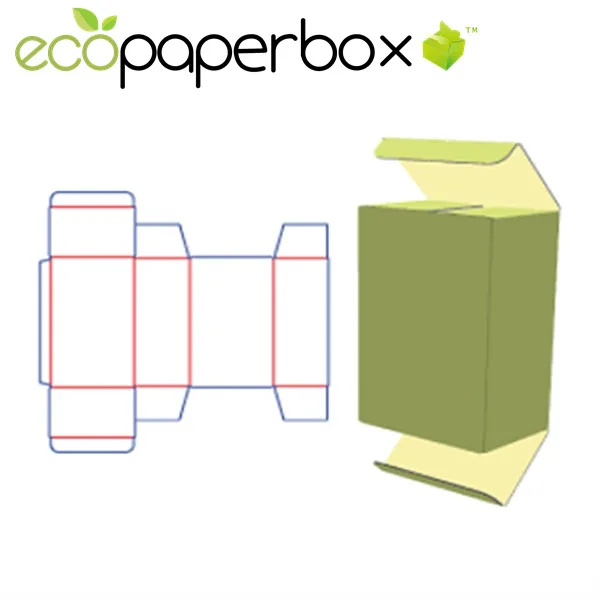
- Folding cartons — SBS white card or kraft, die-cut and glued, arrive flat and pop into shape. Lightest option for retail and insert cards.
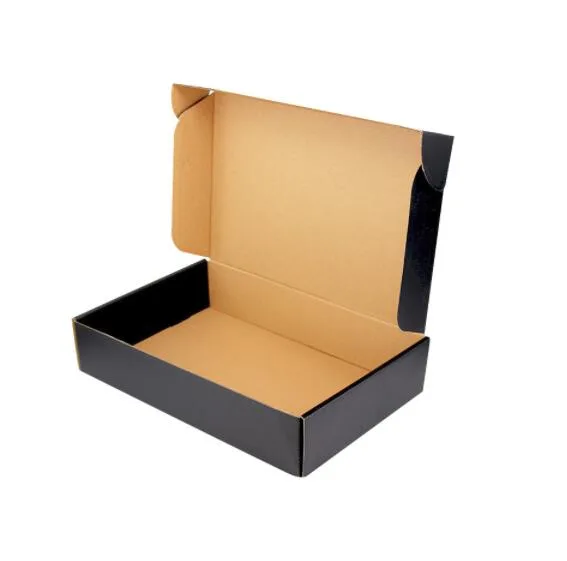
- Corrugated mailers — E-flute board wrapped in white card, kraft, or specialty paper. The workhorse for ecommerce shipping; ships flat, assembles in seconds.
- Collapsible magnetic boxes — the one rigid type that flat-ships. Greyboard (1000-1500 gsm) mounted with 157 gsm C2S art paper plus hidden magnets; it folds flat for transit, then snaps open into a premium rigid box. Standard rigid boxes ship assembled and cost far more to freight.
Honest tradeoff: a flat-ship rigid still needs someone to assemble it on arrival. You save freight, not labor — but for most brands the freight saving dwarfs the assembly cost.
Right-size before you renegotiate price
A box that is 2 cm too long can tip a parcel into the next dimensional-weight bracket, adding cost on every single unit for the life of the product. Right-sizing — trimming length, width, and height to the product plus minimal padding — cuts freight, saves board, and reduces void fill. Because Ecopaperbox offers a free dieline and free blank sample, you can spec the exact size you need even at an MOQ of 500 pieces, then confirm the fit before committing to print.
Choose the lightest board that still protects
Board weight drives both unit cost and freight. For folding cartons, 250 gsm SBS suits light items like cards and soaps, 300 gsm is the standard for most retail goods, and 350 gsm gives a heavier, more rigid-feeling fold for premium sets. For shipping, E-flute corrugated protects well while staying thin; heavier or fragile loads get a die-cut fitment inside the same board. The mistake we see: over-specifying board "just to be safe," which adds weight you pay to ship forever.
Use DDP to kill surprise fees
Even a perfectly designed box can arrive with a nasty bill if the quote was EXW (ex-works, you handle freight and customs). DDP — delivered duty paid — means the price you are quoted includes freight and import duty to your door. For small brands, DDP turns a variable, surprise-laden cost into a fixed number you can plan around. Ecopaperbox ships DDP to the US and other major markets, so the landed cost is what you see.

When paying for premium freight is worth it
None of this means avoid rigid boxes. When the product's margin supports it — luxury gifting, a hero SKU, a first impression that justifies a price tag — an assembled rigid box earns its freight through the unboxing. The point is to choose deliberately: use flat-ship structures for the high-volume, lower-margin runs, and reserve assembled rigid for the moments it pays back. If you want the rigid look without the freight penalty, the collapsible magnetic box is the compromise most brands overlook.
The skeptic's check: before your next reorder, weigh one finished, packed parcel and look up its dimensional weight with your carrier. If the number surprises you, the fixes above — flat-ship structure, tighter dimensions, lighter board, DDP — are usually enough to bring it down without touching the experience customers remember.
Ecopaperbox is a Guangzhou-based custom paper packaging factory with in-house offset printing, lamination, die-cutting, and hand assembly. We hold ISO 9001 quality certification, High-Tech Enterprise status (certificate no. GR202544012474, valid from 2025-12-19 for three years), and are SGS-audited. Standard MOQ is 500 pieces across most box types, with production in 7-12 working days after artwork approval. See how rigid vs folding cartons affect your landed cost, or explore collapsible magnetic boxes that flat-ship.