
Every brand wants to say its shipping box is plastic-free. The box itself usually is: a corrugated mailer or a kraft carton is paper through and through. The problem is that the plastic rarely lives in the box board. It hides in the things you add around it — the tape, the bubble liner, the adhesive on a window, the polybag you slipped the product into first.
Why “plastic-free” sounds easier than it is
At our Guangzhou workshop we make paper packaging every day, and the honest truth is that “plastic-free” is a spectrum, not a switch. A corrugated or kraft box is paper, but a shipment is more than the box. You can get very close to zero plastic, but only if you know where the plastic actually is.
The paper part is already real
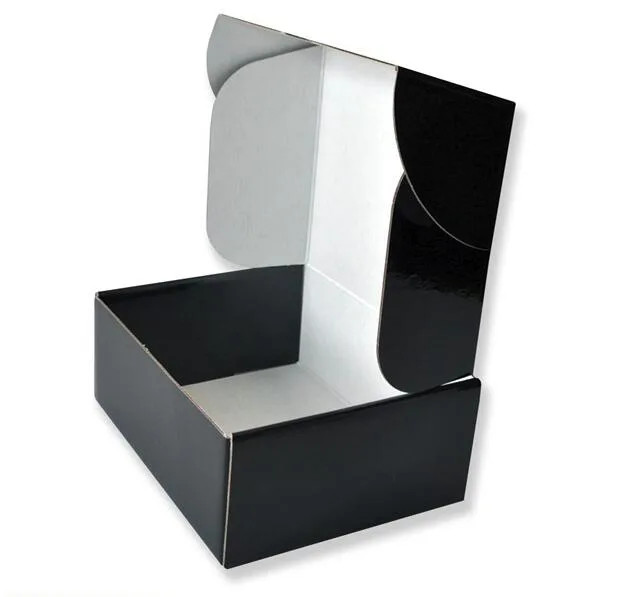
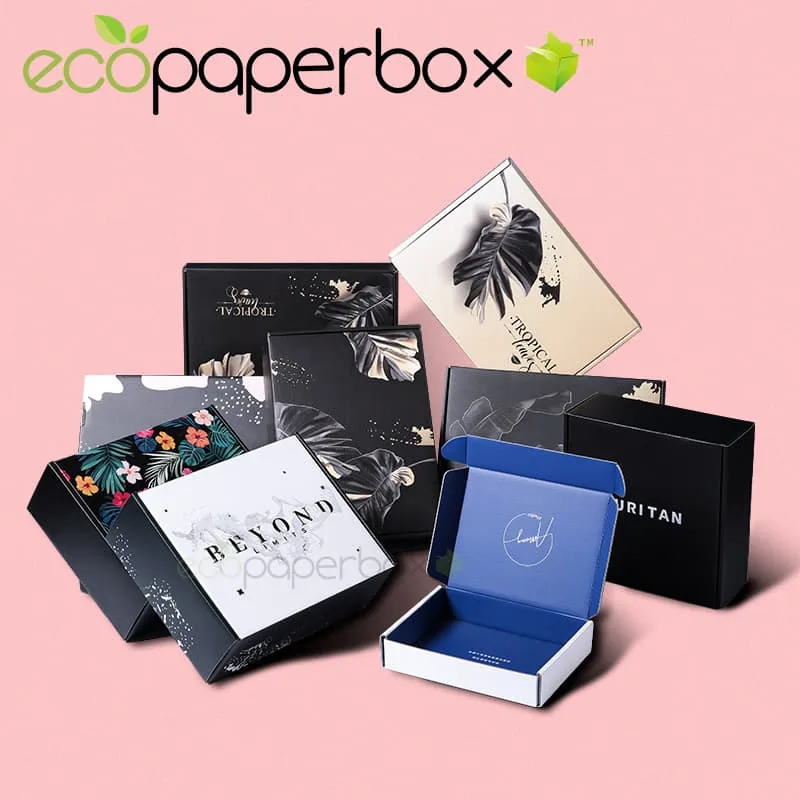
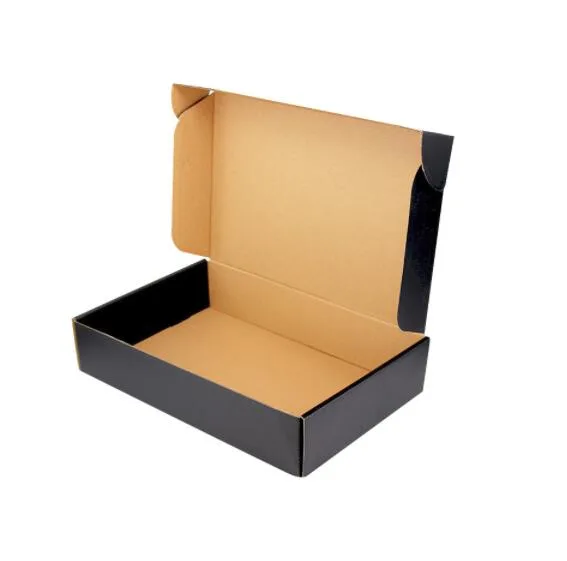
A corrugated mailer made from E, B, or F flute and wrapped with kraft or white card is genuinely paper. So is an SBS folding carton or a kraft shipping box. These ship flat, print cleanly on our in-house offset presses, and are widely accepted in paper recycling streams. For most ecommerce shipments a paper mailer does the job without any plastic at all.
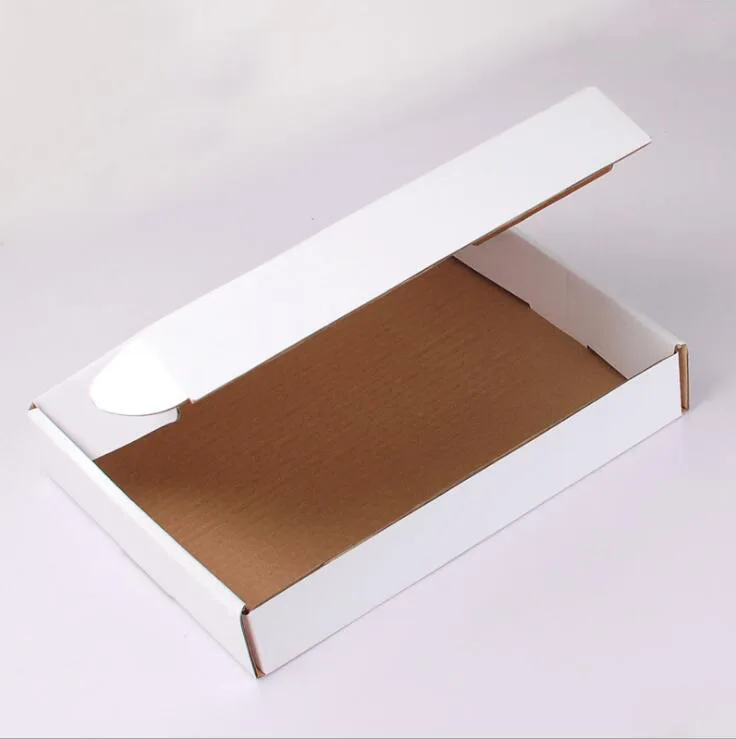
This is where low-MOQ production helps: at Ecopaperbox the standard minimum is 100 pieces, so a small brand can switch to a paper mailer and test it on a real order instead of guessing. If you are weighing paper against plastic mailers, our breakdown of kraft mailers versus poly mailers covers the trade-offs.
Where plastic quietly sneaks in
Even a “paper” shipment usually carries plastic in five spots buyers forget to count:
- Sealing tape. Standard packing tape is BOPP plastic. Paper tape or water-activated tape closes the box with zero plastic.
- Void fill. Bubble wrap and air pillows are plastic. Crushed kraft paper or corrugated inserts do the same job in paper.
- Product polybag. Many items are bagged in polyethylene before they ever reach the box. That bag is often the biggest hidden source.
- Window film. A die-cut window on a carton is normally covered with a PET or PVC film. The box stays recyclable only if the film is removed first.
- Labels and stickers. Glossy labels with a synthetic backing add small but real plastic.
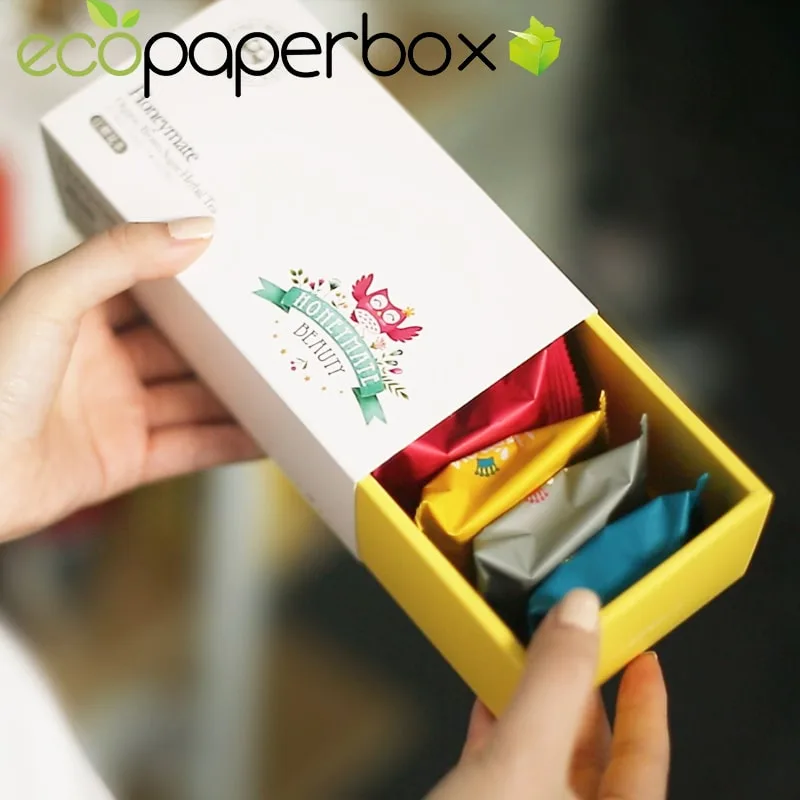
None of these are part of the box we manufacture, but together they decide whether your shipment is truly plastic-free.
Mono-material is the practical gold standard
If full plastic-free feels out of reach, aim for mono-material instead. A corrugated mailer plus paper tape plus a kraft insert is one material family — paper — so the whole thing sorts cleanly at a recycling facility. Greyboard rigid boxes wrapped in paper fall in the same family.
This matters more than the brown-versus-white color debate. A white SBS carton and a kraft carton are both recyclable paper; what breaks recyclability is mixing in a plastic layer you cannot separate. Our deeper look at what recyclable packaging actually requires explains the sorting logic.
When plastic-free is not worth forcing
Honesty matters here. For fragile or liquid items, a thin plastic liner or bubble wrap can prevent breakage that would waste the entire shipment — and a broken product is worse for the planet than the plastic that protected it. We build rigid and collapsible magnetic boxes with EVA or blister inserts; those inserts are usually foam or plastic, and pretending otherwise would be misleading. The realistic goal is to remove plastic where it does nothing and keep it only where it earns its place.
A realistic plastic-reduction plan for small brands
You do not need a sustainability team to cut most of the plastic from your shipments. Start with three moves:
- Switch the tape. Water-activated or kraft paper tape is the single biggest win and costs little.
- Drop the product polybag when the item does not need it, or move to a compostable film if your market accepts it (we will not claim a compostable product benefit where the rules are unclear).
- Pick a mono-material mailer from a factory that prints it in-house, so color and structure stay consistent order to order.
Ecopaperbox is a Guangzhou factory with in-house offset printing, lamination, die-cutting, and hand assembly. We hold ISO 9001 quality certification for our workshop (certificate copy available on request), the Chinese High-Tech Enterprise designation (certificate no. GR202544012474, valid from 2025-12-19 for three years), and our facility is SGS-audited. Where a project needs fiber certification, we can source FSC-certified paper from FSC-certified mills, with chain-of-custody documentation available on request.
For most brands, a paper mailer at our 100-piece minimum is enough to pilot a cleaner shipment, measure customer reaction, and scale only after it works. Typical lead time after artwork approval is 7–12 working days.