
Kraft Boxes: A Buyer's Guide to Natural, White and Recycled
Kraft paper has a natural, low-gloss look that signals "less processed, more honest" before a buyer reads a word on the box. The same kraft wrap can be a flat mailer, a folding carton, a rigid setup box, or a corrugated shipping box — so the question for buyers is usually not whether to use kraft but which kraft, in which form, for which product.
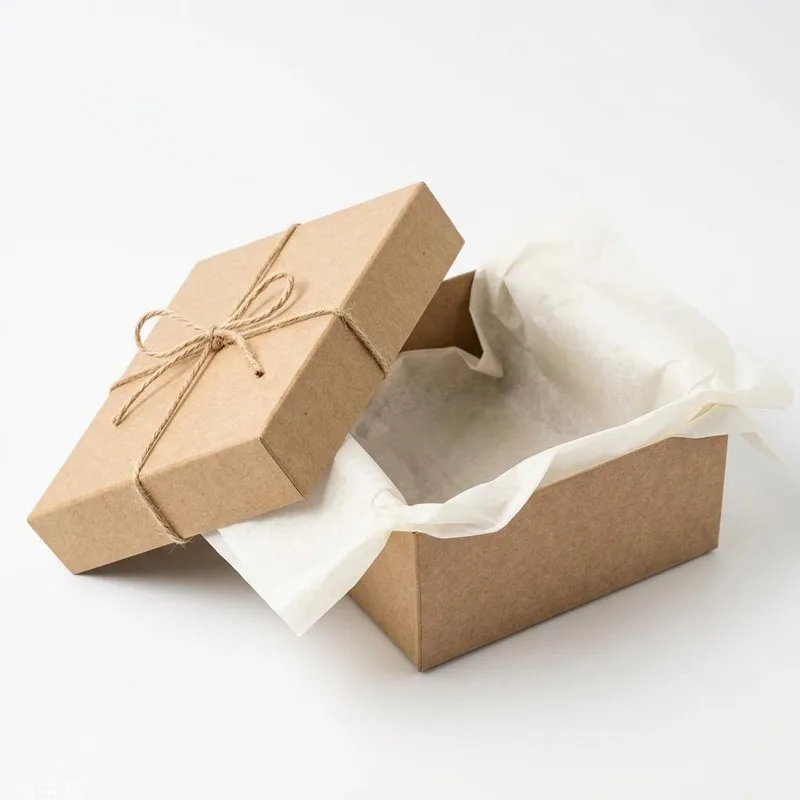
The three kraft papers used in packaging
1. Natural kraft (unbleached brown)
The classic grocery-sack look. Brown fibers visible, no optical brighteners. Accepts print directly, but colors will read warmer and slightly darker than on white board.
2. White kraft (bleached outside, brown inside)
Bright printable surface on the outside, kraft-colored interior. Used when you want full-color artwork but still want a natural brown edge or inside lining.
3. Recycled kraft (mixed fiber, off-white to grey)
Made from 100% post-consumer recycled fiber. Lower cost, lower carbon footprint, but variable shade and a rougher texture. Best for shipping mailers and protective outer cartons.
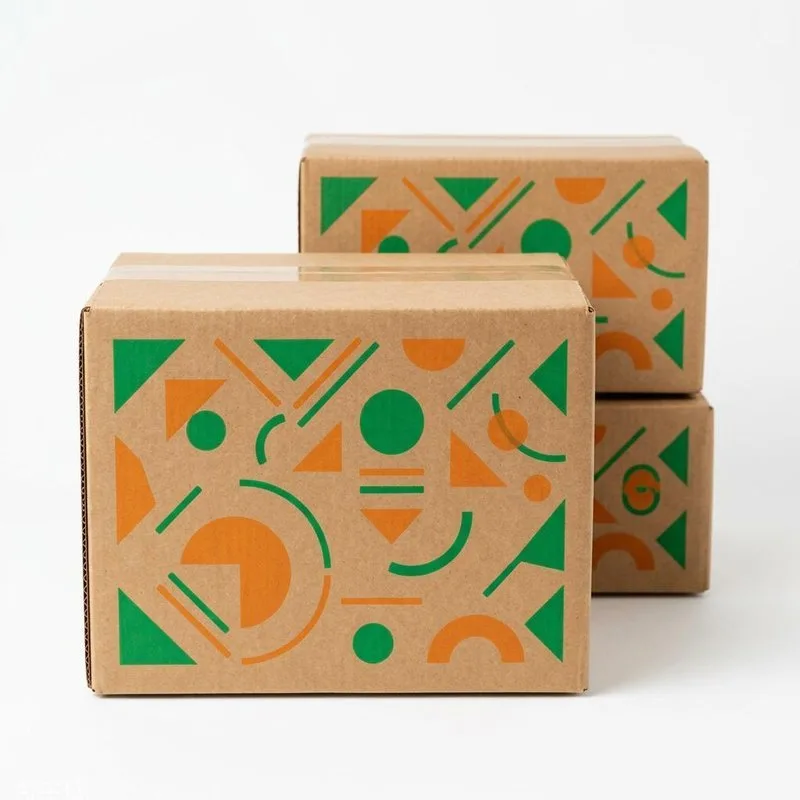
Where kraft boxes convert well
- Mailer boxes — E-flute corrugated kraft, folded flat, sealed with tape or tab lock.
- Folding cartons — thin kraft paperboard for tuck-end boxes, often used for cosmetics, tea, and small accessories.
- Rigid setup boxes — greyboard wrapped in natural or printed kraft paper. Premium minimal look.
- Food boxes — pastry, cake and bakery boxes are kraft by default.
- Shipping cartons — corrugated kraft is the industry standard for outer shipping.
Printing on kraft
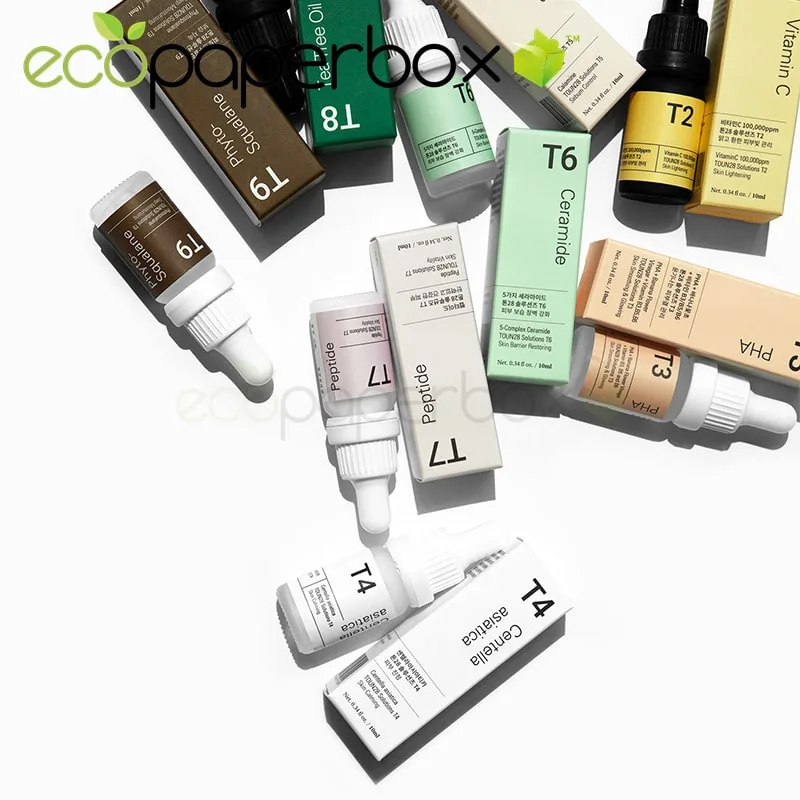
Natural kraft accepts CMYK but shifts colors warmer and lower-contrast. Three patterns work well on brown kraft:
- 1–2 color direct print in dark ink (black, deep red, navy) — clearest, lowest cost.
- White ink under base then CMYK on top — for full-color logos and photos on natural kraft.
- Stamped / debossed without ink — textured, ink-free finish for premium minimal brands.
Recyclability and material honesty
Kraft boxes made from a single paper grade — including rigid kraft boxes where greyboard is wrapped in kraft paper — are widely accepted in paper recycling streams. Boxes that combine kraft paperboard with a plastic window or plastic insert are still recyclable but need the plastic separated first. We will not describe a kraft box as compostable; paper breaks down under industrial composting, but home composting results vary by board and ink.
| Kraft type | Best for | Print method | Cost |
|---|---|---|---|
| Natural brown kraft | Minimal branding, eco positioning | 1–2 color direct | Lowest |
| White kraft | Full-color artwork, retail-facing | CMYK on bleached surface | Medium |
| Recycled kraft | Outer shipping, mailers | 1–2 color on E-flute | Low |
| Kraft-wrapped rigid | Premium minimal gift sets | Foil stamp / deboss / print | Higher |
MOQ, lead time and shipping
Need a custom kraft box?
Tell us your product, dimensions and target quantity — we will match the right kraft grade and structure (mailer / carton / rigid / shipping) and provide a free dieline. Browse our paper boxes gallery, or read more in our packaging FAQ.
Where kraft boxes make sense
Three real use cases we ship every week. Tell us which one matches you and we will spec the dieline and quote within 24 hours.
Apparel & lifestyle brands
Kraft mailers for tees, sweatshirts and accessories. Natural kraft hides scuffs from shipping and prints cleanly with one- or two-color logos.
Request a kraft apparel sample →Coffee, tea & bakery
Food-grade kraft for coffee bags, loose-leaf tea and pastries. Pair with a window or a simple paper band so the product stays the hero.
Request a kraft food sample →Monthly subscription
Roll-end tuck-front kraft mailers that ship flat and assemble in seconds. Inside print keeps unboxing feeling new every month.
Request a kraft mailer sample →