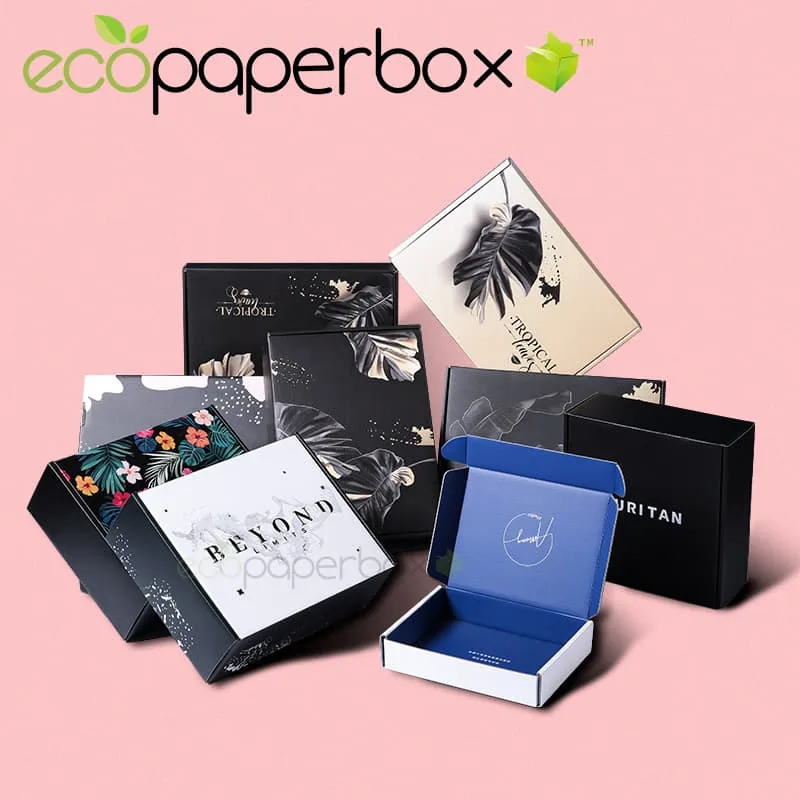
Most packaging quotes hide their real cost until after you've committed. Before a single box ships, two charges tend to surface: the dieline (structural) fee and the printed sample fee. At many suppliers a custom dieline runs $50-150, and a printed pre-production sample can add another $30-100 plus international freight. None of that appears in the "from $0.35/box" headline that pulled you in.
The Two Hidden Bills in the Sample Stage
The dieline is the cut-and-fold blueprint of your box; the printed sample is the first physical proof of color and finish. Both are legitimate engineering work, but they are often billed as one-off "setup" fees that quietly inflate your true cost-per-project. A founder budgeting $400 for boxes can easily spend $200 of it before approving a single production unit.
These fees aren't scams - drawing a custom die and running a proof press costs real machine time. The problem is opacity: they're rarely quoted up front, so you can't compare suppliers on like-for-like terms. Ask for the all-in sample cost in writing before you commit, and you'll often find two "similar" quotes $80-150 apart on the hidden line items alone.
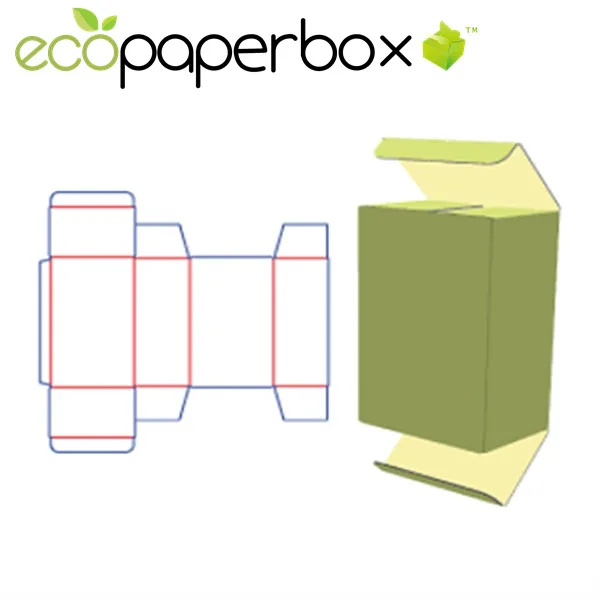
Dieline: The Blueprint You Shouldn't Pay Twice For
Get the dieline right and every reorder is identical; get it wrong and you pay to redraw it. Some vendors treat the dieline as a recurring revenue line, charging again on each repeat order or hiding it behind a "tooling fee."
A Guangzhou manufacturer with in-house structural design typically keeps the dieline on file and rebuilds from it at no charge on reorders. Ecopaperbox provides the dieline free as part of the project, so the structure you approve at 100 pieces is the same structure you receive at 5,000. Why the dieline matters more than the artwork
When a vendor doesn't keep your dieline, a reorder six months later can come back 1-2 mm different - enough to break a snug insert or leave a lid gaping. Free and archived is only valuable if it's actually reused, so confirm the dieline stays on file before you place the first order.
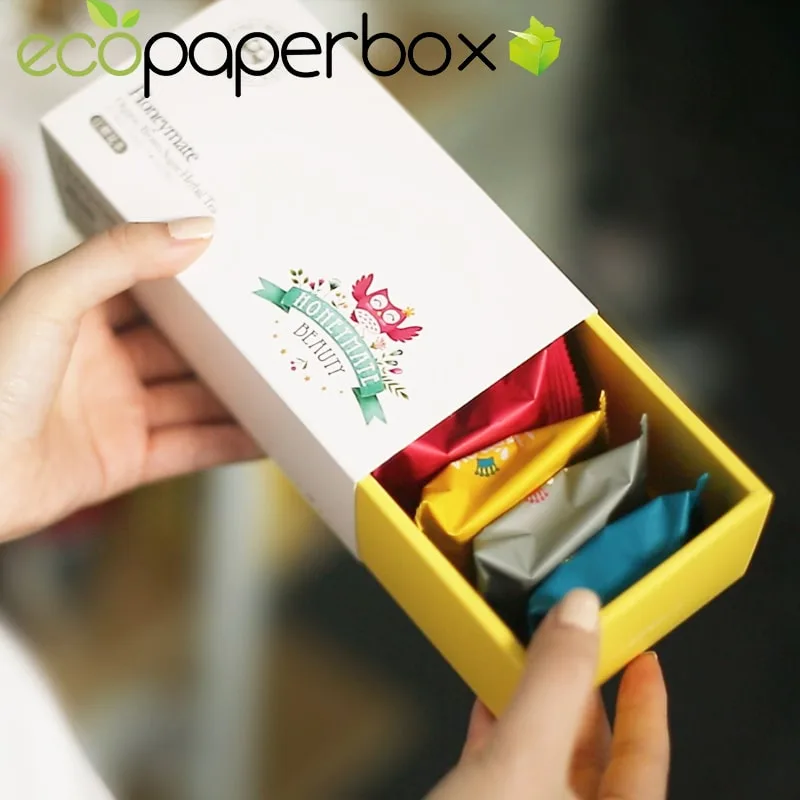
The Blank Sample: Test the Box, Not the Ink
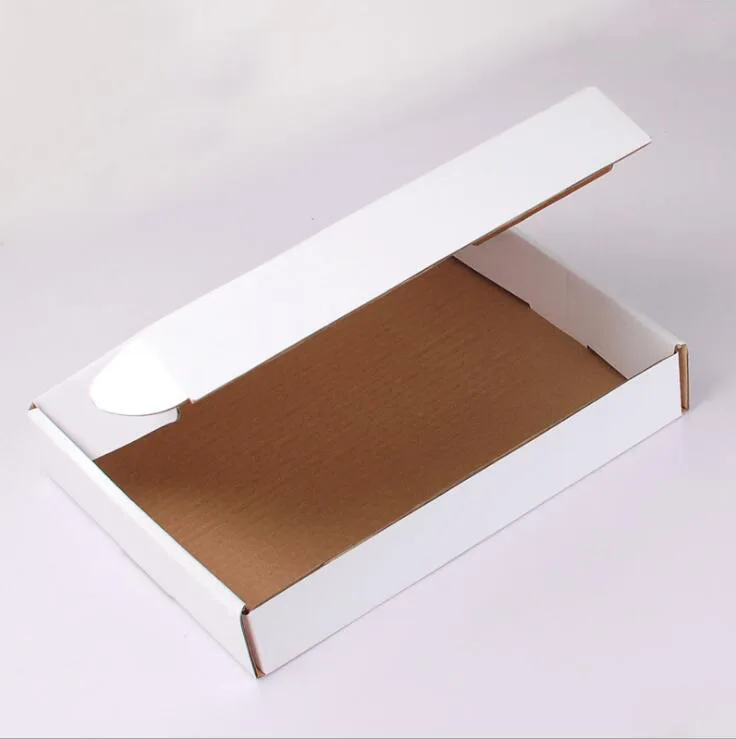
A printed sample proves the color. A blank (unprinted) sample proves the structure - wall thickness, lid fit, closure feel, whether the insert actually holds the product. Most buyers skip this step and discover a fit problem only after a full printed run, which is the expensive way to learn.
Ecopaperbox sends a free blank mock-up so you can confirm size and function before any ink touches the board. For a rigid box (greyboard 1000-1500 gsm mounted with 157 gsm C2S art paper, shipped assembled) the blank sample is especially valuable, because assembled construction is hard to judge from a flat PDF. Folding cartons in SBS white card or kraft, and corrugated mailers, are easier to visualize but still benefit from a hands-on check.
A common mistake is approving the printed sample purely on color and ignoring that the lid rattles or the magnet gapes. The blank sample forces that conversation early, when a 1 mm adjustment to the dieline costs nothing. After print, the same fix means a reprint.
Where Brands Actually Lose Money: Avoidable Reprints
The real cost of a sample isn't the sample - it's the reprint it prevents. A misaligned closure, a 2 mm too-tight insert, or a foil that reads cheap under retail light can wreck a 1,000-box order. The math is brutal but simple: at a $1.20 unit cost, 1,000 bad boxes is $1,200 in board alone, before labor and the freight to send them back. At typical unit costs that is often $300-2,000 of scrap, plus re-tooling time and a lost selling window.
A $0 blank sample that catches the fit issue upstream is the cheapest insurance in packaging. It is also why a short test run matters: Ecopaperbox's standard MOQ is 100 pieces, far below the 1,000-3,000 industry norm of a few years ago, letting a new brand validate the unboxing with real customers before scaling.
A 100-Piece Test Run, Costed Honestly
Consider a startup launching a $39 skincare serum. Option A: pay roughly $120 in dieline and printed-sample fees elsewhere, then commit to 1,000 boxes. Option B: free dieline plus a free blank sample, order 100 rigid boxes at MOQ 100, ship in 7-12 working days after artwork approval, learn from real feedback, then reorder. Option B ties up less cash and de-risks the structure first.
Print-on-demand services such as Packlane or Arka are genuinely faster for one urgent US run and easier to configure online, but their per-unit price climbs at low volume and sample policies differ. A Guangzhou factory wins on unit cost at 100+ and on keeping the dieline free across reorders. Ecopaperbox is a Guangzhou-based custom paper packaging manufacturer with in-house offset printing, lamination, die-cutting, and hand assembly - not a sourcing agent reselling boxes. Low overhead and owned tooling are what make the free dieline and free blank mock-up sustainable.
Skeptics ask why a factory would give the dieline away. The answer is retention: a brand that validates on your tooling rarely moves to a competitor for the 5,000-piece reorder, and the sample stage is where that relationship starts. The free blank mock-up is a small cost against a likely repeat order - which is precisely why a trader who doesn't own a plant usually can't offer it.
The workshop operates under ISO 9001 quality management, holds China's High-Tech Enterprise certification (certificate no. GR202544012474, valid from 2025-12-19 for three years), and is SGS-audited with the report on file. For paper-specific needs we can source FSC-certified stock from FSC-certified mills, with chain-of-custody documentation available on request. How to vet a packaging supplier without getting burned