
When a factory asks "SBS, C1S, or C2S?" and you are not sure, you are not alone. These three letter codes describe the paper your box is printed on, and the difference changes print quality, cost, and even how the box feels in the hand. This guide explains each code in plain language, using real box structures, so you can specify correctly the first time and avoid paying for a material you did not need.
What SBS Actually Means
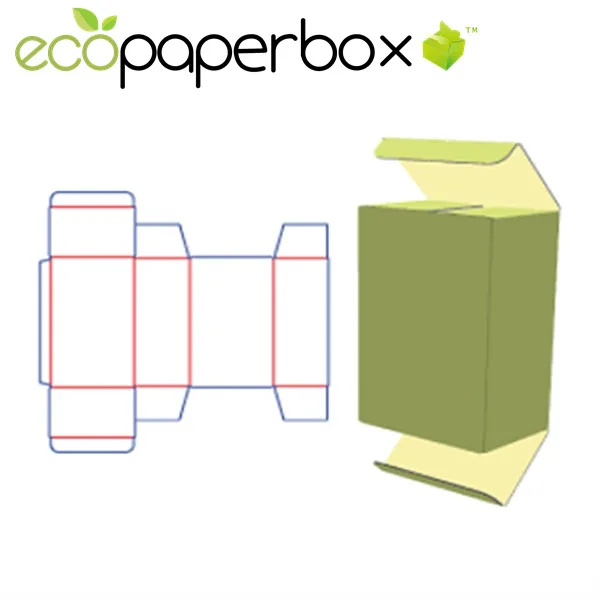
SBS stands for solid bleached sulfate. It is a white, virgin paperboard made from bleached pulp, with no recycled content and no grey filler layer. In packaging, "SBS" usually refers to the folding-carton stock: the clean white card your cosmetic carton, tea sachet box, or retail display carton is made from.
SBS is valued because it prints sharply, takes color evenly, and has a bright white base that makes brand colors look true. It is a folding material — it ships flat and is erected by hand or machine at your warehouse. It is not a rigid box core. A rigid (setup) box uses greyboard inside, not SBS. If a supplier calls a rigid box "SBS core," that is a red flag for loose terminology.
C1S vs C2S: One Side or Two Sides Coated
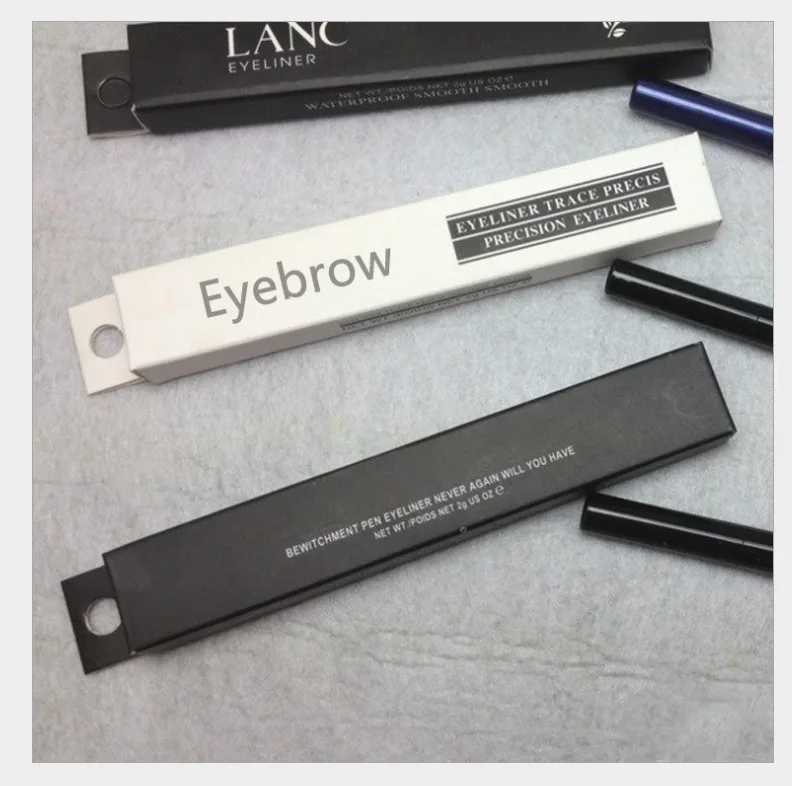
Both C1S and C2S are SBS or coated paperboard; the letter tells you how many sides are clay-coated for printing.
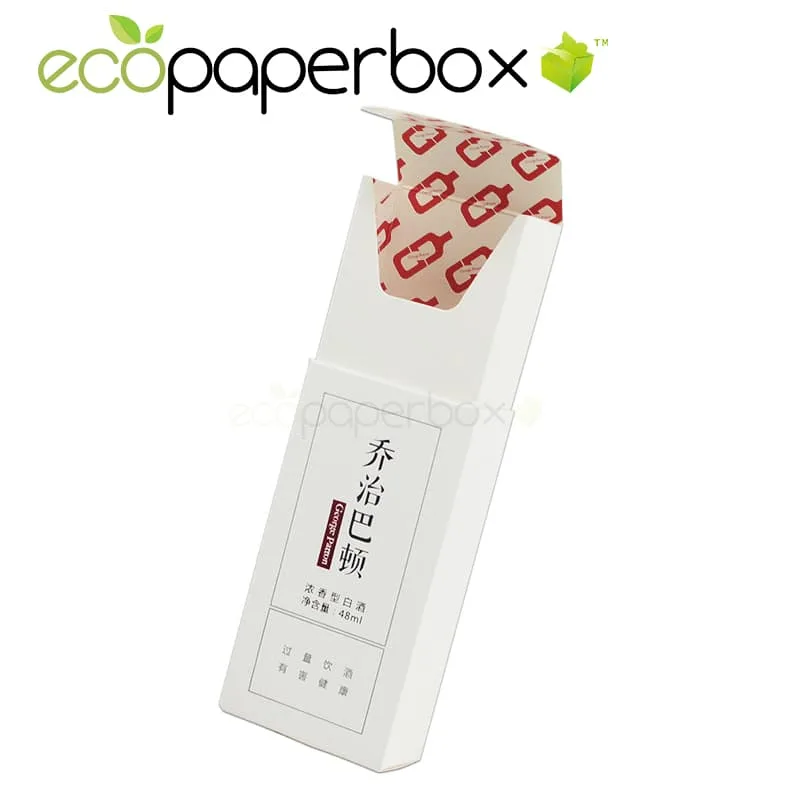
- C1S (coated one side) — only the outside is coated and printable in high detail; the inside is uncoated (often a natural tan or white). Use it when only the exterior carries art, and you want to save a little cost. Many folding cartons and retail boxes are C1S.
- C2S (coated two sides) — both sides are coated, so the inside prints cleanly too. Choose C2S when you want interior branding, instructions, or a colored inside wall. It costs slightly more than C1S.
For most folding cartons, C1S is enough and keeps the unit price down. Ask for C2S only if the inside of the box is part of the experience — a printed thank-you, a pattern, or a color block.
A Quick Buyer Tip
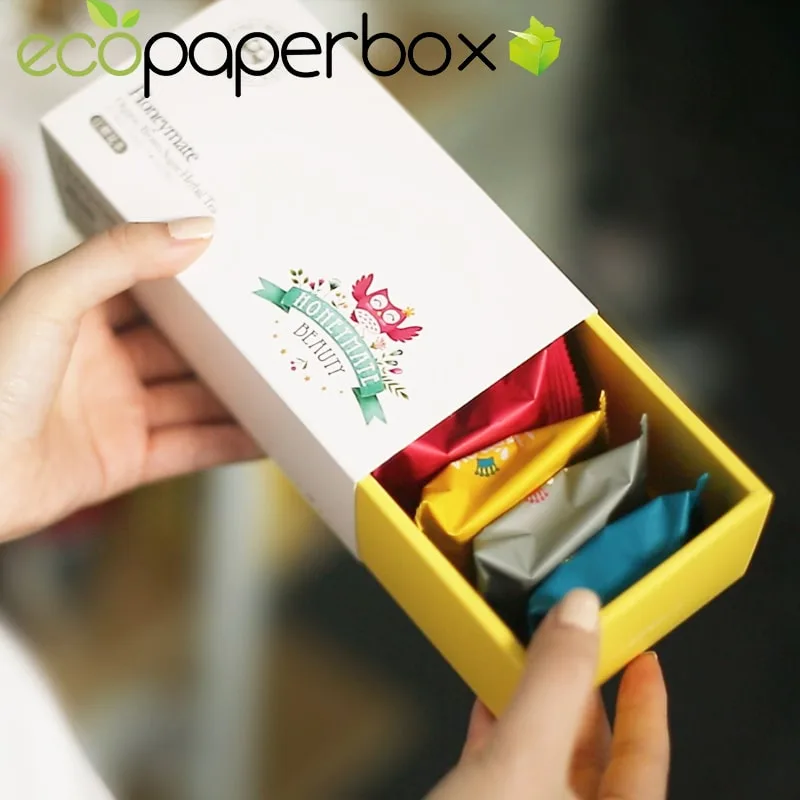
If you only have art on the outside, C1S is the efficient default and most factories assume it unless you ask otherwise. The upgrade to C2S is usually a small per-unit bump, not a structural change, so it is cheap to test on a 100-piece run and decide later. Specifying the code also protects reorders: the same letters and gsm pull the same board batch, which is why we keep your dieline and board spec on file after the first order so repeat runs stay consistent.
Where Greyboard + C2S Wrap Comes In
Rigid boxes (the ones that arrive assembled and feel substantial) are built differently. The core is greyboard — a dense recycled-paper board at 1000-1500 gsm — and it is wrapped with a thin printed sheet, almost always 157 gsm C2S art paper or a specialty paper. In this case "C2S" is the wrap, not the structure.
This is the single biggest point of confusion: C2S appears in both worlds. As a folding carton it is the whole box; as a rigid wrap it is a skin over greyboard. The two boxes are not interchangeable — one ships flat and light, the other ships assembled and heavier (except the collapsible magnetic type, which folds flat).
How to Specify the Right Code
Use this quick map when you brief a factory:
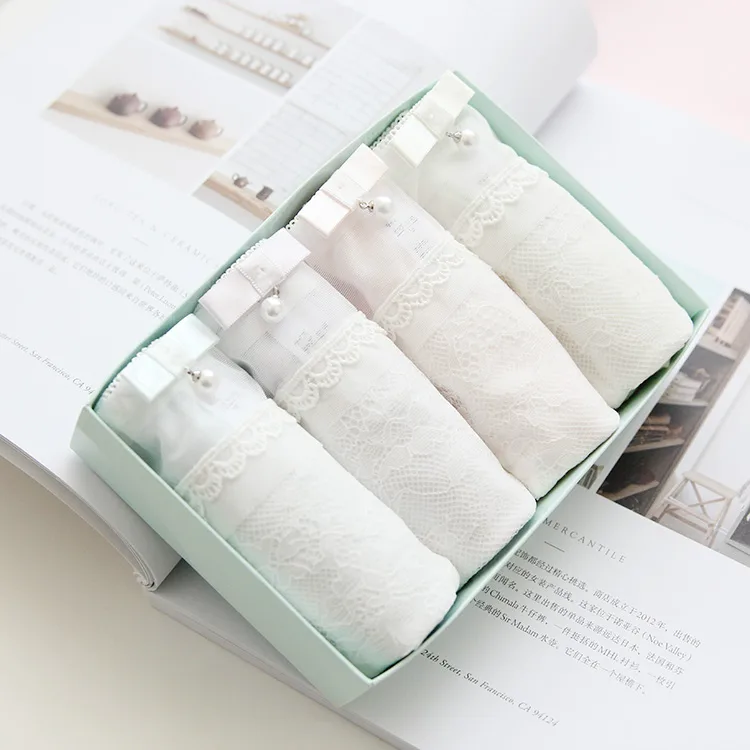
- Retail folding carton, outside print only — SBS C1S, 250-350 gsm depending on weight of the product (see our folding-carton thickness guide).
- Folding carton with interior print — SBS C2S.
- Rigid gift or luxury box — greyboard 1000-1500 gsm + 157 gsm C2S wrap; collapsible magnetic if you need flat shipping.
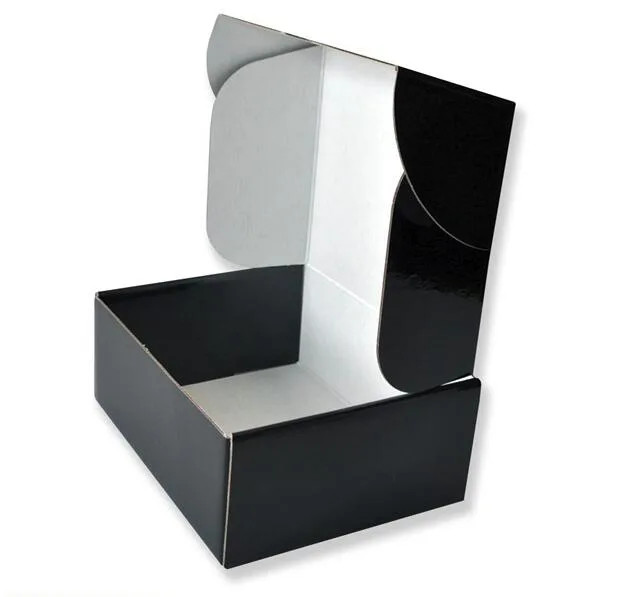
- Shipping mailer — corrugated board (E/B/F flute) wrapped with white card or kraft, not SBS.
Naming the code removes guesswork. A factory that hears "300 gsm SBS C1S" quotes the same thing every time, which keeps reorders consistent.
The Common Mistake: Asking for "Cardboard"
Buyers often say "I want a cardboard box" when they mean a white printed folding carton. Cardboard is a loose word that covers corrugated shipping board, SBS, and greyboard. A corrugated box and an SBS carton are different materials with different costs and print results.
If you say "SBS C1S, 300 gsm" instead of "cardboard," you get a precise quote and the right sample. At Ecopaperbox, our Guangzhou workshop runs in-house offset printing (Roland, Heidelberg, Komori), holds ISO 9001 and High-Tech Enterprise certification (No. GR202544012474), and is SGS-audited — so the spec you approve is the spec you receive. Standard MOQ is 100 pieces, with production in 7-12 working days after artwork approval, which makes testing one paper code against another affordable.
Still deciding between a folding carton and a rigid box? Our rigid vs folding guide breaks down the freight and cost tradeoff, and the folding-carton thickness guide helps you pick the right gsm. Both are free to read, and both start from the same MOQ 100 floor.