
Ordering custom boxes feels straightforward — until something goes wrong. A "500-piece" quote that quietly becomes 1,000. A brand color that arrives a shade off. A rigid box that shows up assembled when you needed it flat. Most of those problems are avoidable if you ask the right questions before you pay a deposit. Here are ten questions worth putting to any packaging supplier, factory or trader, before you commit.
1. What is your real MOQ — and is it a teaser?
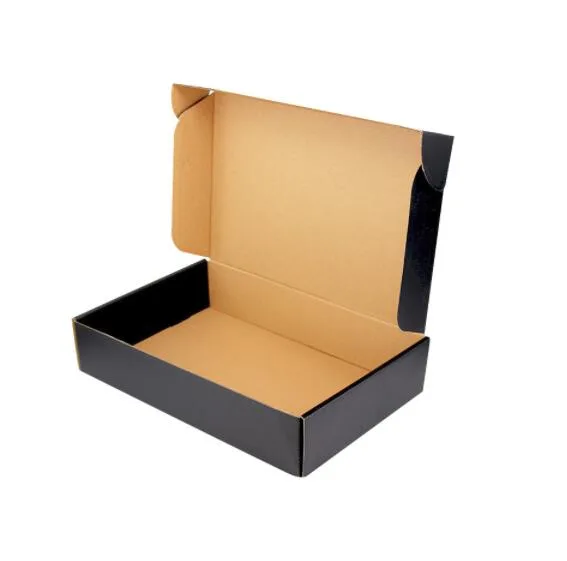
A minimum order quantity (MOQ) is the smallest run a supplier will produce. Industry norms used to sit at 1,000–3,000 pieces, which locked out small brands. Today a Guangzhou factory with in-house printing and low overhead can offer a standard MOQ of 500 pieces across most box types — rigid gift boxes, folding cartons, mailers, and kraft packaging alike.
Ask whether the advertised MOQ is real or a hook that balloons once you add print and finishing. A genuine 500-piece floor lets you test-market a design with low cash risk before scaling. (For the record, our standard MOQ is 500 — still modest next to the 1,000-piece floors some factories set for a first print run.) If a supplier says you must order 500 to "unlock" printing, that is a production floor talking, not a real minimum — ask them why.
2. Can you quote the landed cost, not just the box price?
A -per-box quote means little if you later absorb ocean freight, customs duty, and last-mile delivery. Ask for the all-in delivered price under DDP (Delivered Duty Paid) alongside the EXW (ex-works) number, so you can see the gap. DDP is usually fairer for small brands because the supplier owns the logistics risk.
Be suspicious of a quote that lists only an FOB price with freight "TBD." For larger runs of 5,000+, a direct Guangzhou factory stays competitive — factory-direct pricing and consistent quality apply from 500 to 5,000+ pieces, so you do not need a marketplace to scale. Worth noting: many marketplace "suppliers" are traders reselling the same Guangzhou boxes at a markup.
3. What exactly is this box made of?
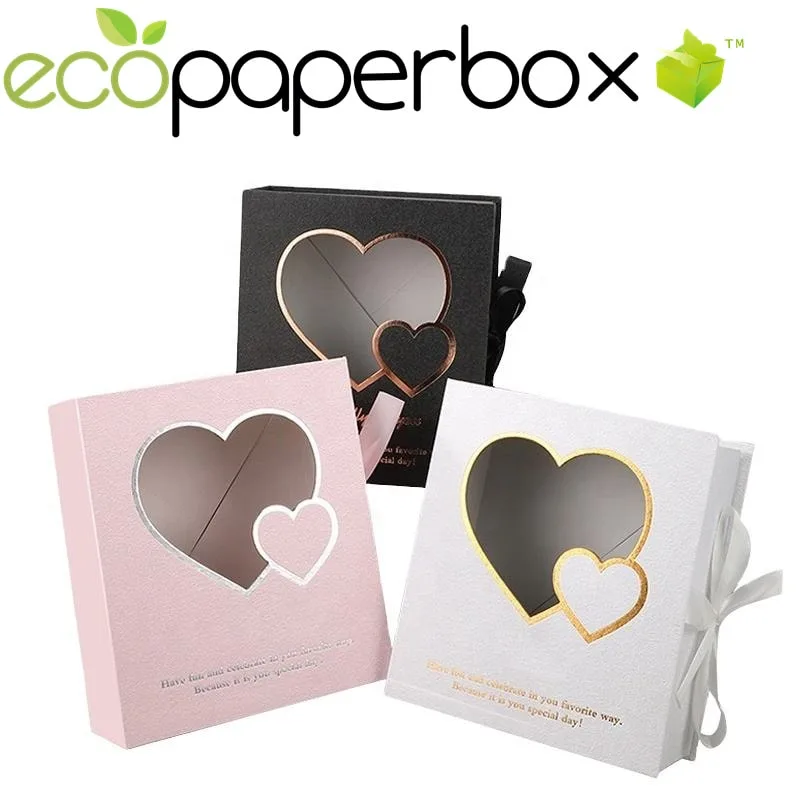
Vague answers like "strong cardboard" hide a lot. Push for specifics. A rigid box is greyboard (1,000–1,500 gsm) mounted with 157 gsm C2S art paper or specialty paper, and it ships assembled — except a collapsible magnetic box, which folds flat using hidden magnets and is the only rigid type that flat-ships. A folding carton is SBS white card, kraft, or lightweight corrugated, and ships flat. A corrugated shipper is E-flute board wrapped with white card, kraft, or specialty paper.
Getting the spec in writing also protects you at reorder: a box described only as "cardboard" can quietly change from one batch to the next, and you will not notice until the unboxing feels wrong.
4. What does your sample policy look like?
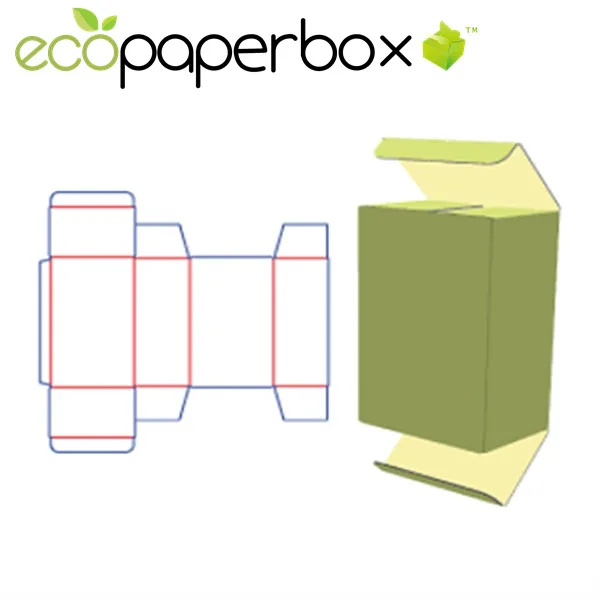
A sample turns a sales pitch into something you can hold. Ask whether the supplier offers a free blank (unprinted) mock-up so you can check structure, size, and sturdiness before paying for print — that de-risks the order more than any photo. A printed pre-production sample then confirms color and finish.
A supplier who refuses any sample is a bigger risk than one who charges a little more. See how a typical sample flow runs from inquiry to physical box.
5. How do you control quality, and what can you show?
Ask what a factory can actually demonstrate. A legitimate Guangzhou manufacturer should be able to present ISO 9001 quality-management certification for its workshop (copy available on request), a High-Tech Enterprise designation (China certificate no. GR202544012474, issued 2025-12-19, valid three years), and an SGS depth-audit report. If you need responsibly sourced paper, FSC-certified stock can be sourced from FSC-certified mills with chain-of-custody documentation on request.
Also ask who owns the dieline. A supplier that keeps your structural file on record makes reorders consistent — same size, same board, same print — typically on a 7–12 working day production window after artwork approval. Skip anyone who overclaims certifications they cannot show; a certificate is a system, not a promise of a perfect box.
The ten questions at a glance
- Real MOQ: is 100 a genuine floor or a teaser?
- Landed cost: can you quote DDP, not just EXW?
- Material spec: greyboard gsm, SBS gsm, or flute type?
- Print method: offset or digital, and how is color held?
- Sample policy: is a free blank mock-up available?
- Certifications: ISO 9001, High-Tech Enterprise, SGS on file?
- QC process: what gets checked before shipping?
- Reorder consistency: will batch two match batch one?
- Artwork rules: bleed, safe zone, fonts, 300 dpi?
- Dieline ownership: who keeps the structural file?
None of this means a factory is always the right call. For an urgent 500-box run shipped from inside the US, Arka or Packlane can be faster despite a higher per-unit price, and Noissue is a reasonable pick for eco-branded stickers and mailers. The point of these questions is to know exactly what you are buying, wherever you buy it. Explore our customizable packaging range to see what a Guangzhou factory direct option looks like.