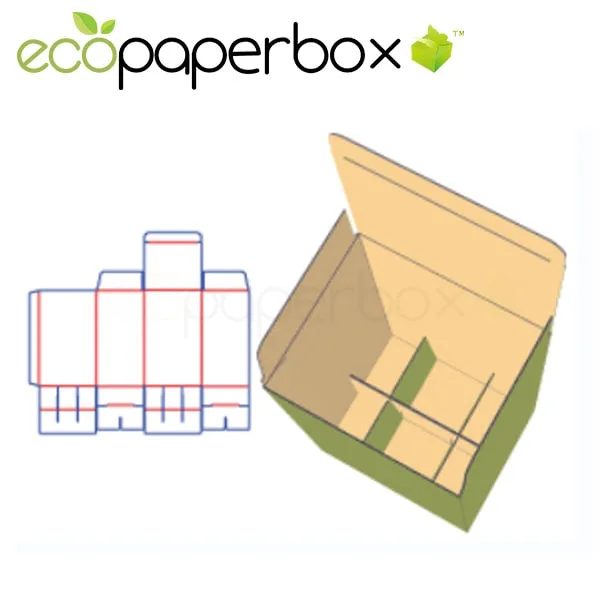
Pharmaceutical Folding Carton Box | Braille & Low-Migration Ink | MOQ 100
- Material: Virgin SBS 300-350gsm, low-migration ink
- Structure: Tuck end or tamper-evident glued flap
- MOQ: 100 pcs
- Lead Time: 10-15 days | Free dieline
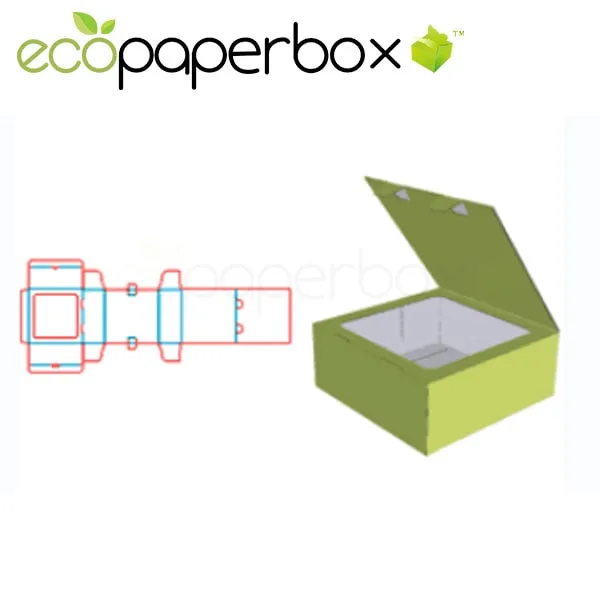
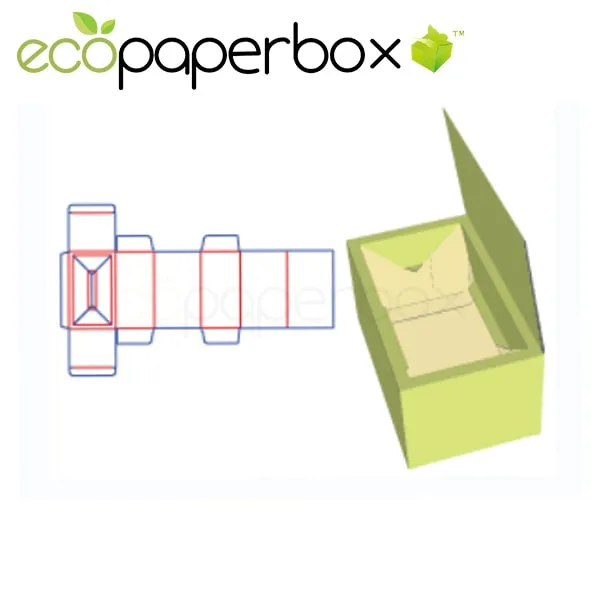
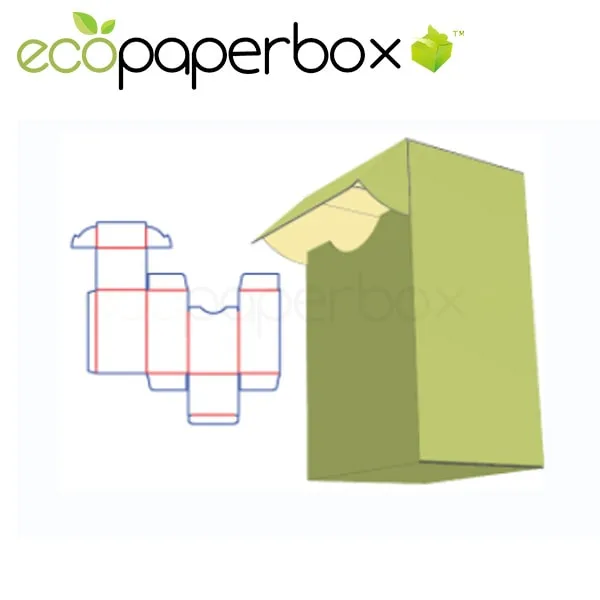
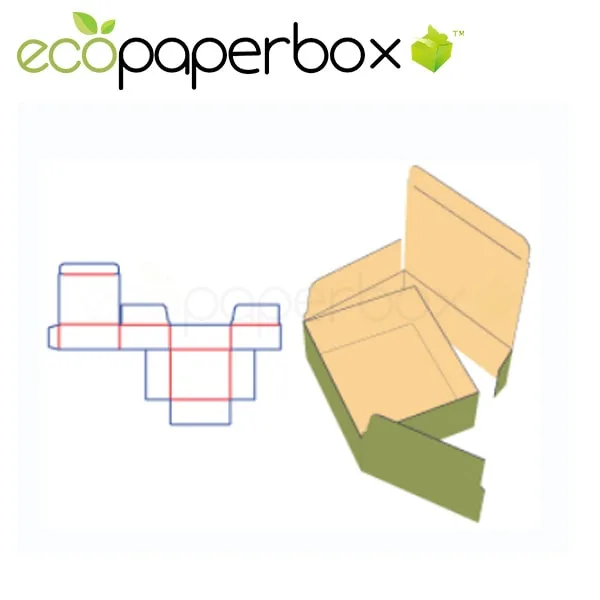
Pharmaceutical folding cartons in virgin SBS with EN 15823 Braille, low-migration inks and tamper-evident closures. Free dieline with the Braille and serialisation panels marked. MOQ 100.
Our Advantages

No Die and Plate Charges For Digital Samples

High quality printing

Quick Turn Around

Starting from 100pcs

Custom size and style

Competitive Price

Free Design Support

To door delivery
REQUEST A QUOTE
COMPANY SERVICES
| Bigger Discounts Offer for large orders | Bigger Discounts Offer for large orders Prices are negotiable based on your purchase volume and Fixated prices can be offered based on frequency of the order. |
| After-service | Sample cost is refundable if it's not good quality as we promised!We will refund you the defected goods values as contract listed,if the defective goods are beyond as we contracted.Our goal is to have no bad feedback and keep doing business in the future! |
| Risk Free, Quality Assurance | We've Sate of the art production facility and all printed jobs are run through our strict quality assurance department, so there are no quality complaints. |
| Printed Method | We use Off-set printing to achieve excellent printing results. However, Digital and screen printing is also available depending on box requirements. |
| About Us | Guangzhou Ecopaperbox established in 2011 is undoubtedly an accredited manufacturer of custom boxes which are exactly according to the needs and desires of the clients. Our top priority is meeting the needs and requirements of our customers. Custom Packaging and printing are provided to the customers with excellent quality on the regular basis so that maximum benefit can be achieved in the minimum amount of time. All boxes that made of paperboard, we can produce. You are welcome to make inquiry via info@ecopaperbox.com and contact us at +8619927709433. |
What Is a Pharmaceutical Folding Carton?
A pharmaceutical folding carton is a printed paperboard carton built to hold a blister pack, bottle, tube, ampoule or a patient information leaflet. Structurally it is a folding carton like any other. What separates it from a retail carton is that almost every specification decision on it is a regulatory decision: the board has to be virgin fibre, the ink has to be low-migration, the panel layout has to leave room for a batch number and expiry, and in the EU the carton has to carry Braille.
The most common mistake we see is a brand bringing artwork over from a general commercial printer. It looks correct, but it is set in standard UV ink, has no Braille allowance, and has no clear panel reserved for variable data. All three have to be fixed before a pharmaceutical carton can be produced, and fixing them after the artwork is signed off costs more than doing it at dieline stage.
The second decision is the closure. A tuck end is fine for a supplement or a general sale product. A prescription medicine sold in the EU needs tamper evidence under the Falsified Medicines Directive, which in carton terms usually means glue-flap tear tabs or a perforated first-open panel rather than a plain tuck.
Which Industries Use This Box, and How It Is Specified
Medicine cartons are quoted by dose format first, then by market, because the market decides the compliance requirements.
| Industry / use case | How we normally spec it |
|---|---|
| Blister pack cartons | Straight or reverse tuck end in 300-350gsm virgin SBS, sized to the blister with a leaflet allowance of 2-4mm across the pack. |
| Bottle and syrup cartons | 350-400gsm board with a partition or a four-corner insert, so a glass bottle cannot move in transit. |
| Tube and cream cartons | Narrow tall carton, usually reverse tuck end so the flap sits at the back, with a hang hole where it is sold off a peg. |
| Ampoule and vial cartons | Die-cut paperboard divider inside the carton, holding each ampoule separately. Board dividers are preferred over foam for a clinical waste stream. |
| OTC and pharmacy retail | Full CMYK front panel with a strong shelf face, plus the full regulatory panel layout on the back and sides. |
| Clinical trial and sample packs | Short-run digital printing with variable data, which is where the 100-piece MOQ actually matters. |
If the product is going into the EU, tell us at enquiry stage. Braille and tamper evidence change the dieline and the panel layout, not just the print - they are not something that can be added at the end.
Material Specification
The board choice on a medicine carton is narrower than on any other carton type, and the reason is contamination rather than appearance.
| Component / stock | Specification |
|---|---|
| Virgin SBS / C1S 300-350gsm | Bleached virgin fibre with a coated face. Virgin stock is the norm for medicine cartons because recycled fibre can carry mineral oil residues (MOSH/MOAH) from old newsprint ink, which is the one contamination route regulators care about on a carton that sits against a blister. |
| FBB (GC1) 300-400gsm | Multi-ply virgin board, stiffer than SBS at the same weight. Used when a tall narrow carton has to stay square on a pharmacy shelf without going up in grammage. |
| Low-migration inks | EuPIA-compliant low-migration UV or water-based inks. Standard commercial UV ink is not acceptable on pharmaceutical cartons - it is the single most common compliance failure we see on artwork brought over from a general printer. |
| Braille embossing | Grade 1 Braille to EN 15823, minimum 0.12mm dot height, embossed after printing. Mandatory on human medicine cartons sold in the EU and increasingly requested elsewhere. |
| Tamper evidence | Glue-flap tear tabs, perforated first-open panels or a tamper-evident seal label. Required under EU FMD for prescription products. |
| Coatings | Water-based aqueous varnish. Film lamination is avoided on pharma cartons because it complicates recycling and can interfere with Braille dot height. |
Sustainability notes
- Virgin fibre is specified for a compliance reason rather than a quality one - recycled board can carry mineral oil residues, which is why medicine cartons stay on virgin stock even when the rest of a range moves to recycled.
- Aqueous varnish instead of film lamination keeps the carton kerbside-recyclable and, on Braille cartons, avoids flattening the dot height.
- Cartons ship and store flat, so a container carries several times more empty cartons than any pre-formed pack - a straightforward freight saving per unit.
- Right-sizing the carton to the blister or bottle is the largest single board saving available, and it also cuts secondary and pallet volume.
- Water-based glue and soy-based inks are standard across the line, with no solvent-based adhesive used anywhere.
Structure, Compliance and Panel Options
Everything below has to be settled before the dieline is cut, because each one changes either the panel size or the flap layout.
| Option | What it changes |
|---|---|
| Closure | Straight tuck end, reverse tuck end, or a glued tamper-evident flap. Tamper evidence is required for prescription products in the EU. |
| Braille | Grade 1 Braille to EN 15823 in the product name, embossed after print. Requires a clear panel area of roughly 20 x 40mm free of varnish and artwork. |
| Variable data | Batch number, expiry date and 2D Data Matrix serialisation code. A clear white panel has to be reserved for these, and it cannot sit under a gloss varnish. |
| Leaflet allowance | A folded patient information leaflet adds 2-4mm to the internal depth. Cartons sized without this allowance will not close once the leaflet goes in. |
| Inserts | Die-cut paperboard partitions, four-corner trays or fitments for bottles, vials and ampoules. |
| Anti-counterfeit | Holographic foil strip, micro-text, UV-invisible ink or a QR verification code printed into the artwork. |
Reserve the Braille panel and the variable-data panel on the dieline before your designer starts, not after. We send both marked on the free dieline so the layout is correct on the first pass.
Printing and Finishing
- Offset CMYK - photographic artwork, gradients and product imagery.
- Pantone spot colour - exact brand colour matching, up to 6 colours plus varnish.
- Digital printing - the reason we can hold MOQ at 100; no plate cost on short runs.
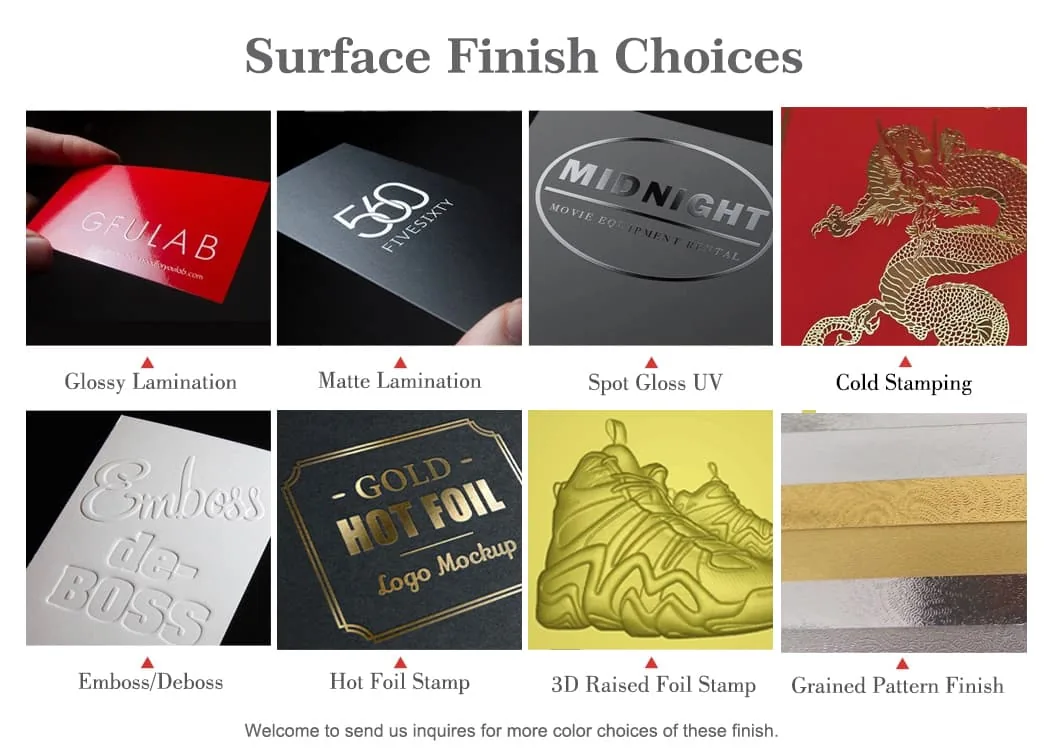
- Hot foil stamping - gold, silver, rose gold, holographic. The most requested logo finish.
- Emboss / deboss - raised or recessed logo, with or without foil.
- Spot UV - gloss varnish over a matte laminate to pick out a logo or pattern.
- Finishes - matte, gloss, soft-touch, anti-scratch lamination or aqueous varnish.
Ordering: MOQ, Dieline and Lead Time
| Item | Detail |
|---|---|
| MOQ | 100 pcs per size and per design |
| Dieline | Free. We send a print-ready structural dieline to your designer before you commit to anything. |
| Pre-production sample | Plain structural sample in 3-5 days, printed sample in 5-7 days. Sample cost is credited against the bulk order. |
| Production lead time | 10-15 working days after artwork and sample sign-off |
| Artwork format | AI or PDF, CMYK, 300dpi, 3mm bleed, fonts outlined, placed on our dieline |
| Shipping | Ships flat-packed and glued, which keeps freight volume and duty low. |
Send us the blister, bottle or tube itself, plus the folded leaflet. A pharmaceutical carton cut from stated dimensions rather than from the physical dose form and its leaflet is the most common cause of a carton that will not close.
Related Packaging
Other medicine and supplement packaging
Printed Medicine Box | Vitamin Display Box with Window
Carton structures we cut this in
Straight Tuck End | Reverse Tuck End | Auto Bottom Carton | Counter Display Carton
Surface Choice
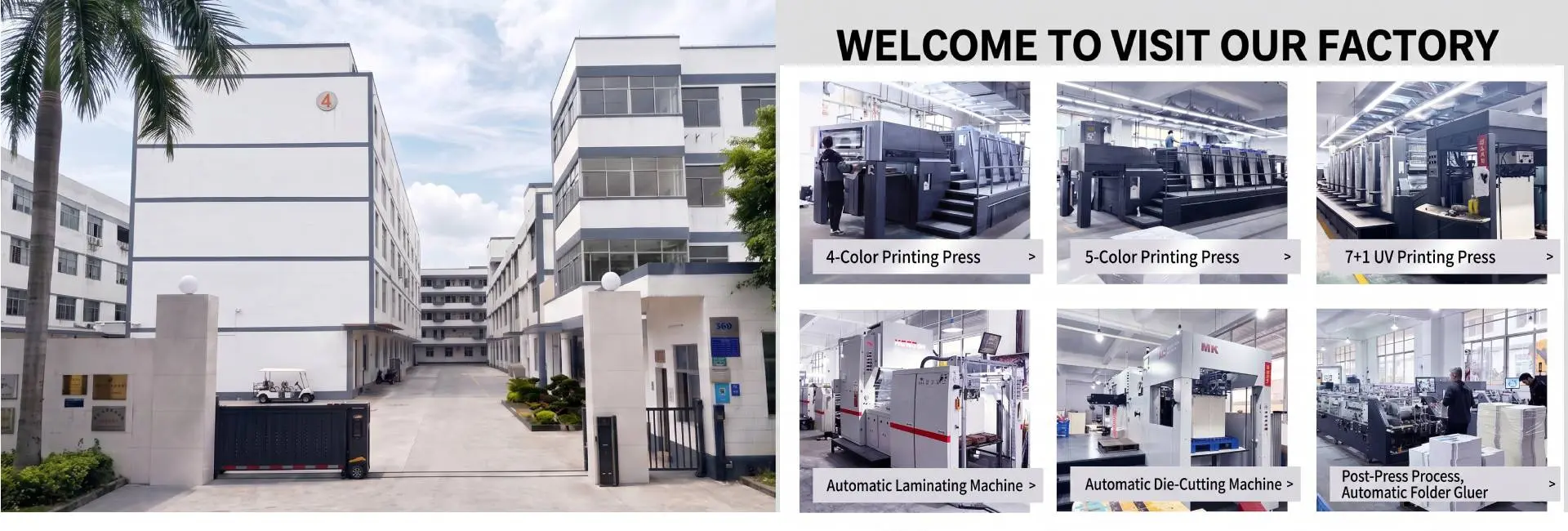
Our Guangzhou custom packaging factory runs four-color offset printing, automatic lamination, die-cutting and rigid box assembly on one floor. In-house production keeps lead times short and print color consistent from the first sample to full volume. Buyers are welcome to request a video tour or a factory audit before placing an order.

Packing Method For Corrugated Packaging:
Generally no need to put the PE bags inside of the cartons. Since the boxes are glued a layer of cardboard, generally production time is not long enough to dry the paper box. If you tie the PE bags, the steamed water pearl will be produced inside of the bags.

Product Details
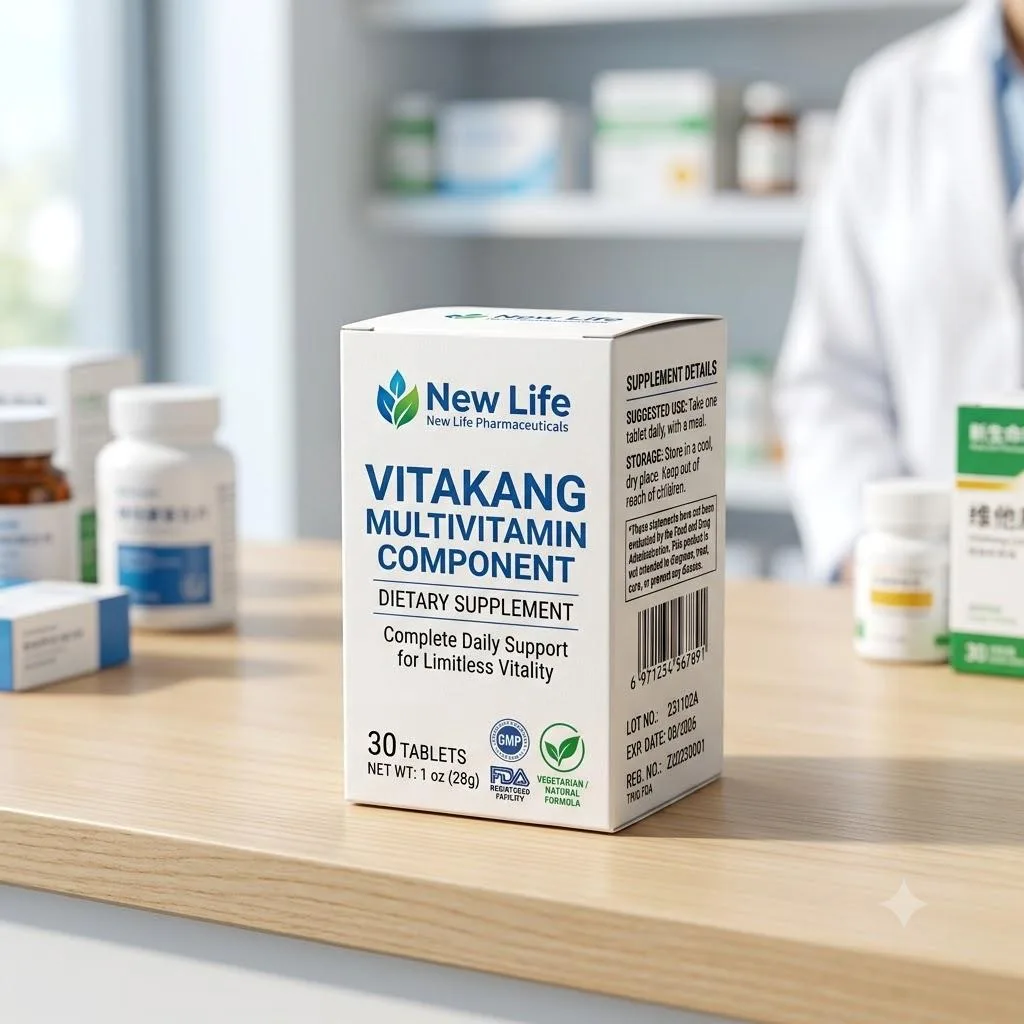
- Custom sizes & shape – made to your exact dimensions, flute and box style.
- Eco-friendly board – recyclable corrugated / kraft material with low-migration inks on request.
- Secure closure – self-locking or magnetic options keep contents safe in transit.
- Full-surface printing – CMYK, Pantone, foil, emboss and spot UV available.
- Low MOQ & fast turnaround – start from 100–500 pcs with 7–15 day lead time.
Frequently Asked Questions
Do medicine cartons legally need Braille?
In the EU, yes. Directive 2001/83/EC requires the product name in Braille on the outer carton of human medicines, embossed to EN 15823 with a minimum dot height of 0.12mm. It is not currently mandatory in the US, but a growing number of brands add it anyway for accessibility. The practical impact is on the dieline: you need a clear panel of roughly 20 x 40mm with no varnish over it.
Can recycled board be used for a medicine box?
Generally no, and this surprises people who are moving the rest of their range to recycled stock. Recycled fibre can carry mineral oil residues (MOSH and MOAH) from printing ink in the original waste paper, which can migrate through the carton. Medicine cartons therefore stay on virgin fibre. If you want a recycled sustainability story on a pharma line, put it in the shipper and the display outer, not the primary carton.
What is low-migration ink and why does pharma packaging need it?
Low-migration inks are formulated so that ink components cannot transfer through the board onto the product inside. Standard commercial UV ink contains photoinitiators that can migrate, which is why it is not acceptable on pharmaceutical cartons. We print pharma work in EuPIA-compliant low-migration UV or water-based ink as standard. If artwork arrives from a general printer, this is the specification most likely to be wrong.
Straight tuck end or reverse tuck end for a medicine box?
Reverse tuck end is the more common choice for pharma because the flaps open from opposite sides, which makes the carton slightly quicker to run on a cartoning machine and puts the rear flap out of sight. Straight tuck end gives a cleaner, uninterrupted back panel, which some brands prefer when the regulatory text is dense. For prescription products in the EU, neither is enough on its own - you need a tamper-evident glued flap or a perforated first-open panel.
Can you print serialisation and 2D Data Matrix codes?
We reserve and print the clear panel for them. The variable data itself - batch, expiry and the unique serial code - is normally applied by your own line or your packer at the point of filling, because it has to link to your regulatory database. What matters at carton stage is that the panel is left white, matte and unvarnished so the code scans reliably.
What is the minimum order for a custom medicine carton?
One hundred pieces per size and per design, printed digitally. That is deliberately low because clinical trial packs, market-specific language variants and stability study batches all need small quantities. Above roughly 3,000 pieces we move to offset, which lowers the unit price.
Does the carton price include the leaflet?
No - the patient information leaflet is quoted separately because it is a different substrate and a different fold. What we do include free is the allowance for it in the dieline. A folded leaflet adds 2-4mm to the internal depth, and a carton sized without that allowance will not close once the leaflet is inserted.